

Where design meets identity in Japanese consoles
Japanese consoles are not only built for performance, they are crafted with a distinct sense of identity. Across decades of retro gaming, manufacturers in Japan consistently approach console design as a balance between function, material, and cultural expression.
From bold experimentation to refined minimalism, these systems reflect a design philosophy that values precision and intention. For collectors, this transforms consoles into objects that are appreciated as much for their form as for their role in gaming history.
The elegance of minimalism: Sony’s design language

Sony’s approach to console design is rooted in restraint. Clean lines, neutral tones, and balanced proportions define systems like the PlayStation 2 and its later iterations.
This minimalism is not accidental. It reflects a broader Japanese design philosophy where simplicity enhances longevity. Consoles are designed to integrate seamlessly into everyday environments, avoiding visual excess while maintaining a strong presence.
Within the Retro Gaming Collection, these systems highlight how subtle design decisions can elevate even widely distributed consoles into enduring icons of Japanese consoles.
Color and character: Nintendo’s playful identity

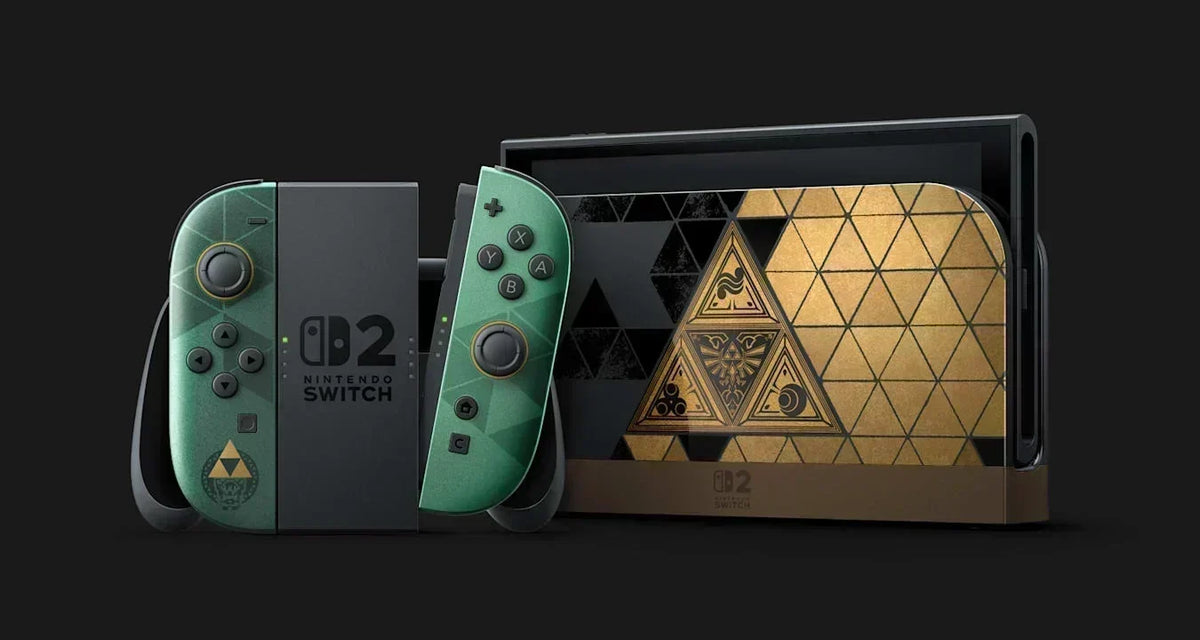
Nintendo takes a different path, embracing color and personality. From the iconic purple GameCube to the vibrant Game Boy Color lineup, its consoles often reflect a sense of playfulness that aligns with its software identity.
This approach creates a direct emotional connection with players. Hardware becomes expressive, not just functional. Limited colorways and themed editions further reinforce this identity, making Nintendo systems highly desirable among collectors.
In the Collectors Collection, these variations stand out for their visual impact and cultural significance within retro gaming.
Experimental design: when form challenges convention
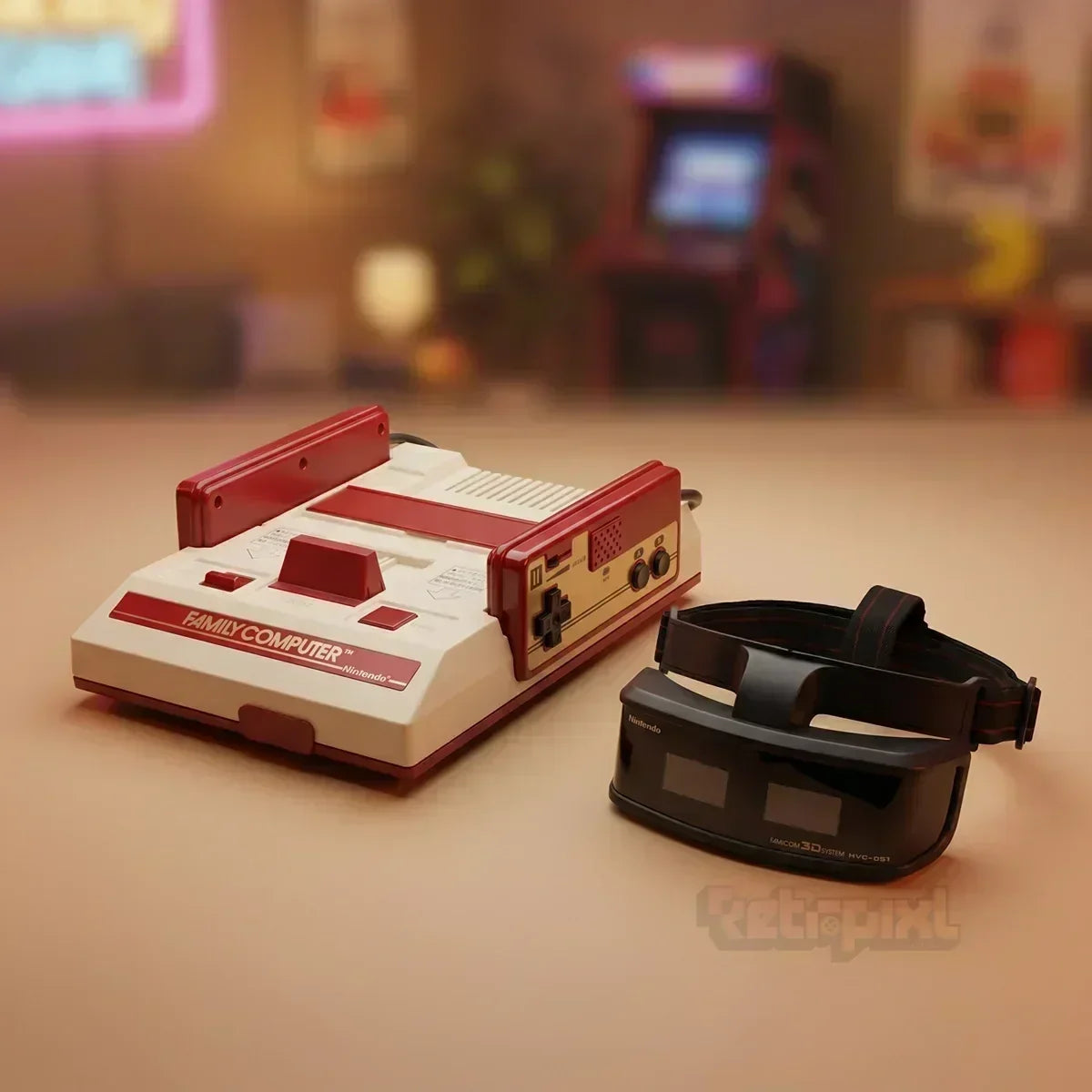
Japanese console design is also defined by experimentation. Systems like the WonderSwan, the Panasonic Q, and the Virtual Boy challenge conventional expectations of what a console should look like.

These designs often prioritize new forms of interaction or unique aesthetic statements. While not always commercially dominant, they leave a lasting impression on the evolution of Japanese consoles.
For collectors, these systems represent bold moments in design history, where innovation extends beyond performance into physical form.
Materials, finishes, and the art of variation

Material choice plays a critical role in how consoles are perceived. Matte textures, glossy finishes, and metallic coatings each create a different relationship between the object and its environment.
Japanese releases often emphasize these details, with finishes that subtly interact with light and space. Variants such as metallic handhelds or refined color editions demonstrate how small changes can redefine a console’s identity.
Through the Accessories category, this attention to material extends to controllers and peripherals, maintaining a cohesive visual language across the entire setup.
Design as a bridge between culture and technology
Japanese console design exists at the intersection of technology and culture. It reflects broader values such as precision, harmony, and respect for craftsmanship.
Both Home consoles and Handhelds categories illustrate how technology and design evolve together, creating devices that are both practical and visually compelling.
Legacy for players and collectors
Iconic Japanese console designs endure because they balance innovation with intention. Whether through minimalism, bold color, or experimental form, these systems reflect a commitment to craftsmanship that extends beyond functionality. For players and collectors, they remain powerful reminders that great design shapes not only how games are played, but how they are remembered.
Share:
PlayStation 2: the console that defines a generation
Neo Geo AES+: The return of the King