
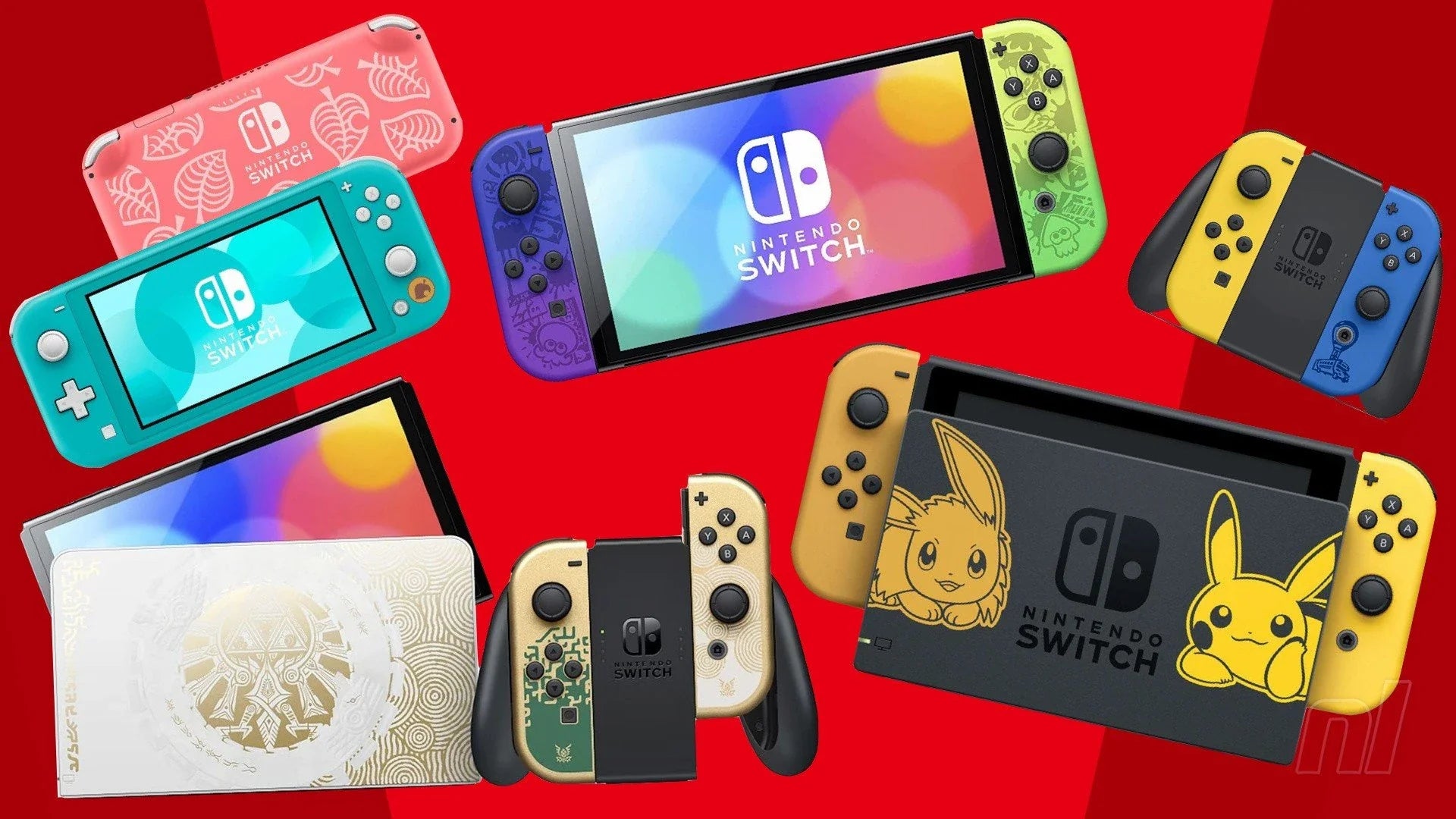
When modern design meets Japanese retro gaming tradition
Few modern systems honor their heritage like the Nintendo Switch. Beyond its hybrid design, what truly captures collectors’ attention are its limited editions. These consoles, produced in small numbers, embody the craftsmanship and imagination that defined Japanese retro consoles decades before.
A collector’s continuation of Nintendo’s legacy
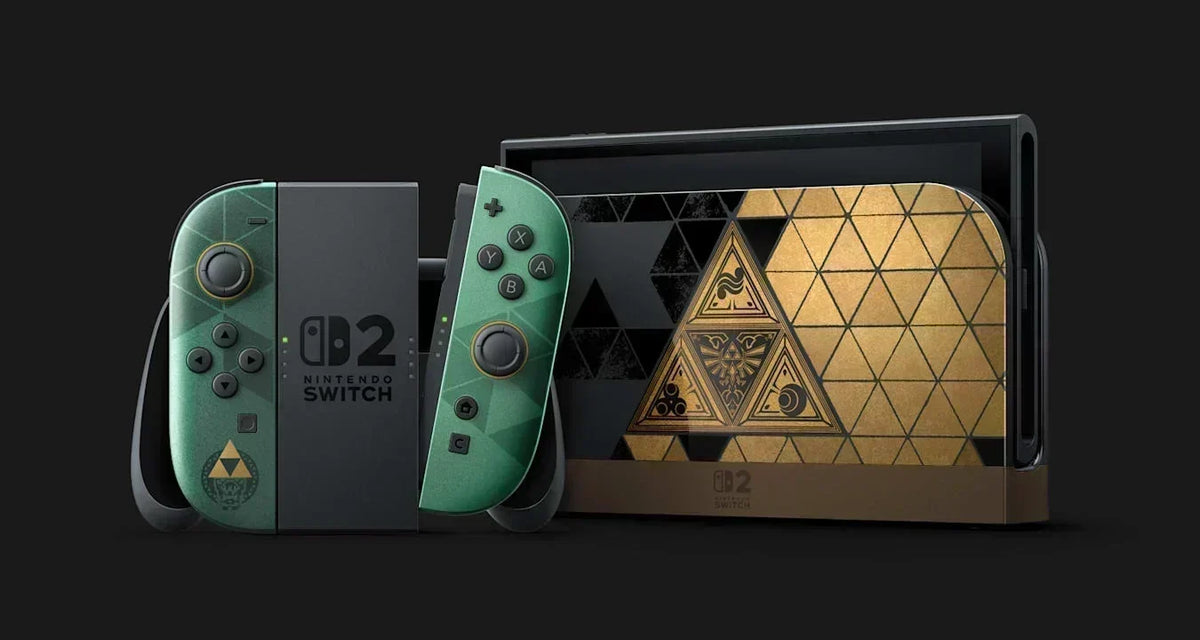
Nintendo’s limited editions often bridge nostalgia and innovation. From the Pokémon Let’s Go and Monster Hunter Rise editions to the Zelda: Tears of the Kingdom console, each release connects present-day fans to the artistry of Japan’s hardware tradition.
Unlike standard releases, these consoles feature customized docks, unique color palettes, and engraved Joy-Cons. Many draw inspiration from classic designs that recall retro gaming consoles, a reminder of how deeply Nintendo’s design DNA runs through gaming history.

Japan-exclusive releases and regional design differences
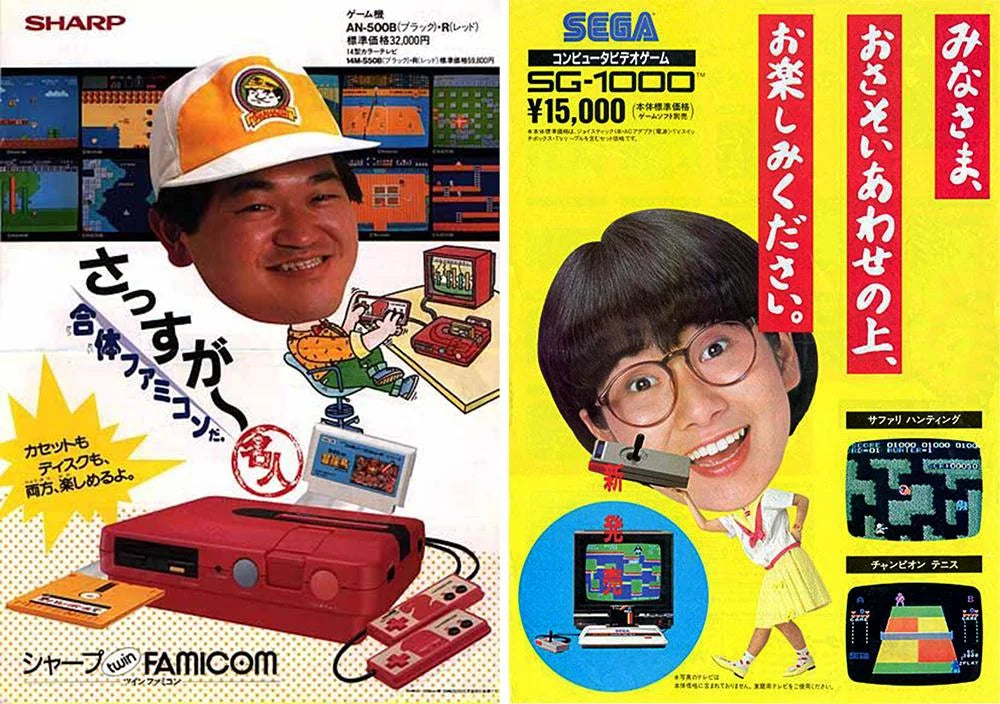
While many special editions reach global markets, Japan often receives exclusive versions with refined detailing and smaller production runs. These Japan-only consoles showcase aesthetic subtlety, brighter hues, localized artwork, or premium packaging, that mirrors the design approach of past Nintendo systems such as the Super Famicom and Game Boy Light.
Collectors value these details not only for rarity but for the cultural precision behind them. Owning a Japanese edition Switch feels like holding a bridge between modern gaming and classic gaming systems from the 1990s.

The evolution of modern collecting
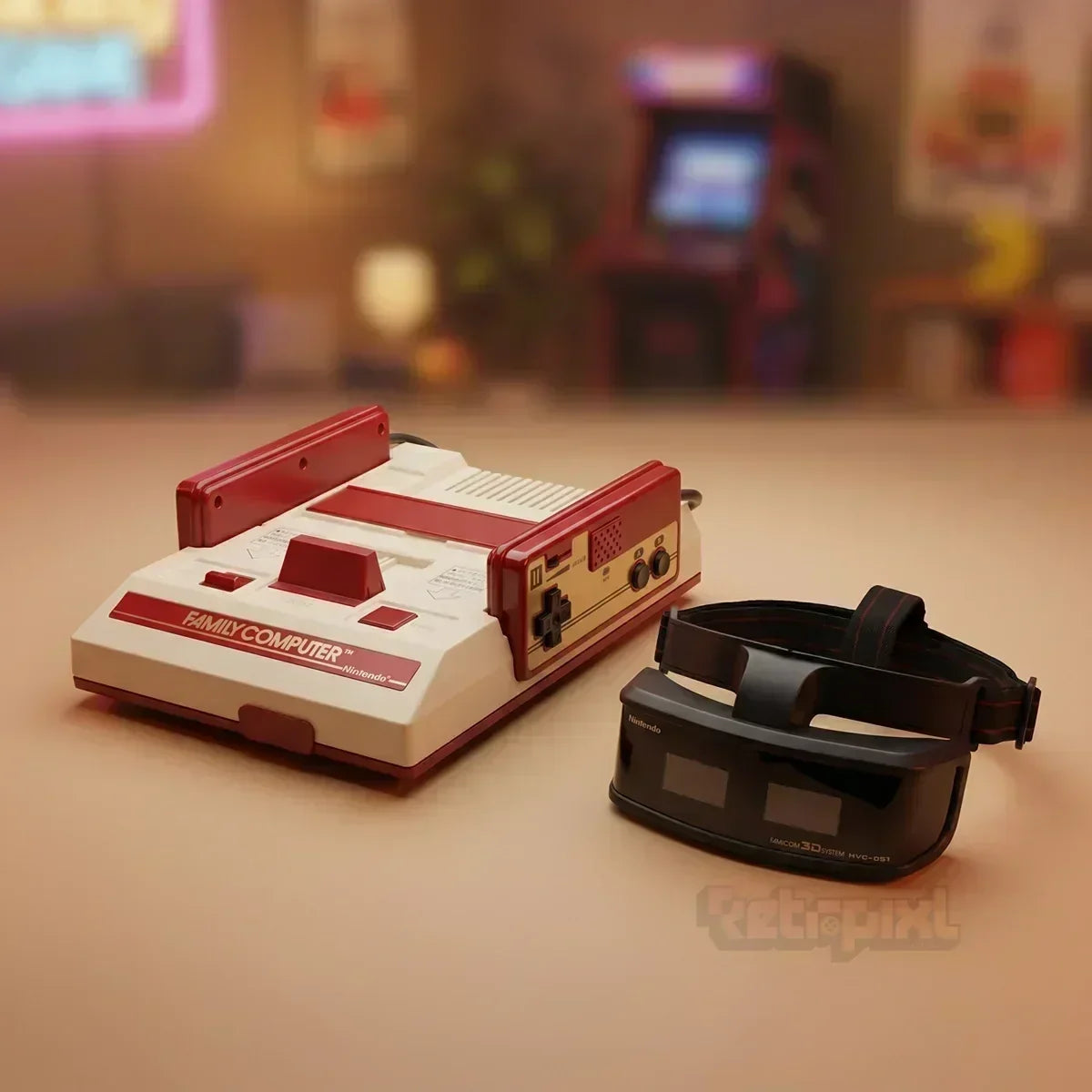
The Nintendo Switch era marked a shift in how modern collectors think about hardware. Limited editions are no longer just commemorative, they are designed to become future collectibles. Nintendo’s careful control of supply and attention to packaging evoke the principles that defined the retro console collectibles of the past.
RetroPixl’s collectors often compare these systems to Japan’s early 2000s hardware culture, where artistry and emotion mattered as much as performance. Whether a fan of Splatoon 3 or Animal Crossing, the appeal lies in the same feeling that drives authentic retro gaming today: nostalgia mixed with craftsmanship.

Display-worthy design and condition care
Like all collectible hardware, condition defines value. A-grade mint condition units of these limited Switch editions are highly sought after, while S-grade sealed consoles have already begun entering museum-level collections. Packaging remains key; inserts, protective films, and original factory seals preserve not just the console but its cultural significance.
RetroPixl emphasizes these standards to ensure every modern collectible aligns with its heritage-driven philosophy. Each unit is inspected, documented, and stored following the same approach used for vintage systems.

Legacy for collectors
Nintendo’s limited edition Switch consoles prove that retro gaming culture is not frozen in the past. Japan continues to blend innovation with tradition, creating modern consoles that collectors already view as tomorrow’s classics. Their beauty, scarcity, and attention to design ensure they will remain cherished long after the Switch era ends.
Share:
RetroPixl 7-Year Anniversary
Sonic Collectibles from Japan