
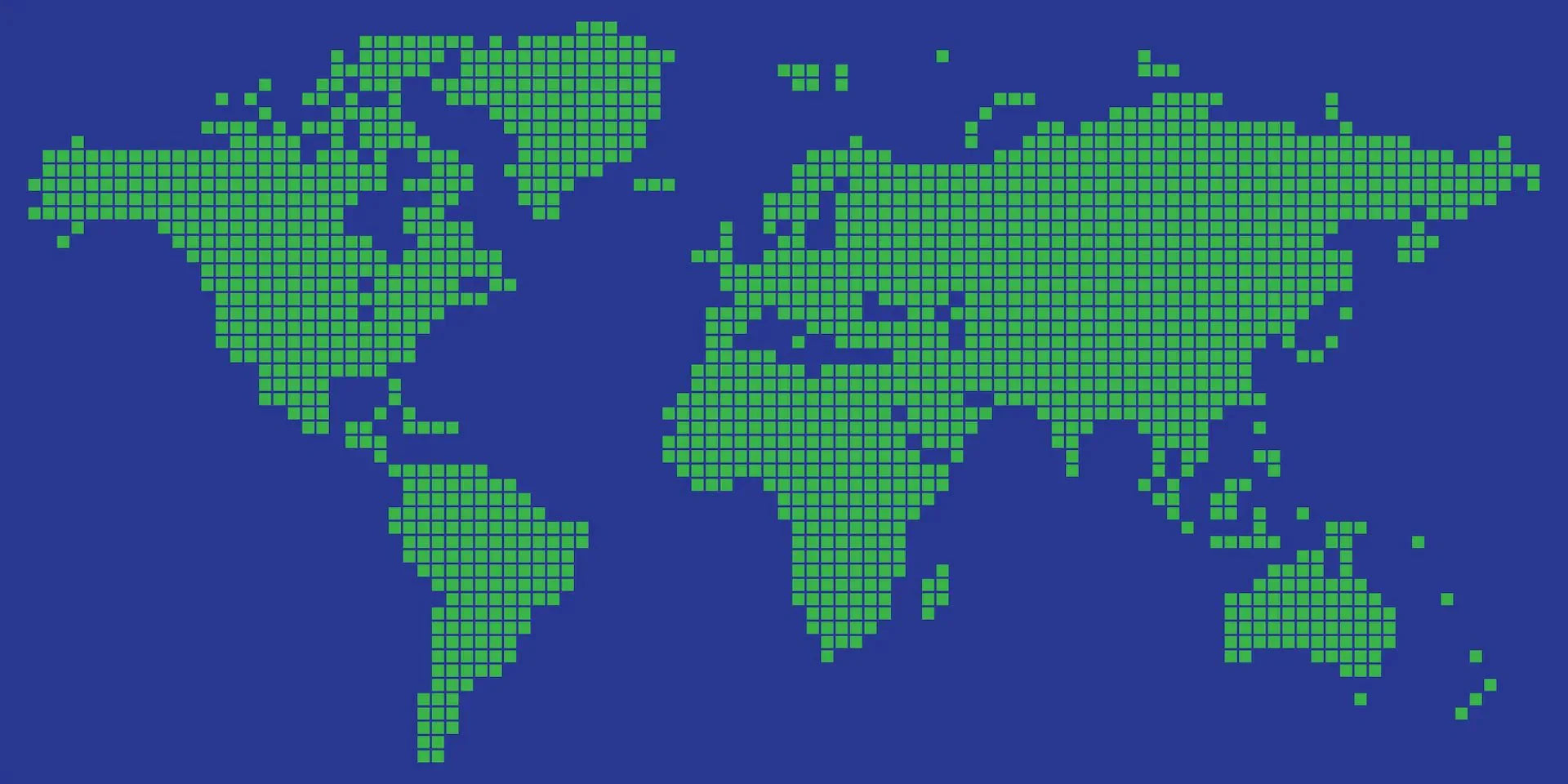
Two cultures united by a love for retro gaming
Although the United States and Japan share a deep passion for classic gaming, their collector markets have developed along very different paths. Japan’s market remains grounded in appreciation and preservation, while the US scene has become more driven by investment and grading. Together, they form two sides of a global movement that continues to define how retro video game consoles are valued today.
How Japan nurtures its retro roots
In Japan, retro gaming is seen as cultural heritage rather than a passing trend. Small independent stores across Akihabara, Osaka, and Nagoya carefully restore and resell vintage consoles. Collectors treat Japanese retro consoles as pieces of history that deserve to be preserved in their purest form.
Sellers emphasize originality and completeness, with A-grade mint condition units commanding attention. S-grade sealed consoles are celebrated but not hoarded. The emphasis is on keeping these artifacts in circulation so they can be appreciated, studied, and enjoyed by new generations.
The American obsession with rarity
Across the Pacific, the US market tells a different story. Collecting is often driven by rarity, grading, and investment potential. Many collectors purchase sealed units with the goal of long-term appreciation. Auctions and grading services play a larger role, and the culture tends to mirror other collectible markets such as comics or trading cards.
While this approach has fueled market growth, it has also inflated prices for certain consoles and accessories. Items that once cost a few dollars in Japan can now sell for hundreds in the US, illustrating how nostalgia has become intertwined with asset value.
Differences in supply and pricing
Japan benefits from a deep domestic supply of consoles that were well cared for and sold in large numbers. Many collectors kept boxes, manuals, and inserts intact, which means more high-quality units remain available. In contrast, US collectors often rely on imports or refurbished units that have traveled across multiple regions.
This difference explains why Japan-only consoles and Japanese retro consoles are often found in better condition and command a premium internationally. RetroPixl’s sourcing process focuses heavily on Japan’s original supply, ensuring collectors receive hardware that meets strict grading standards.
Cultural values behind collecting
Japanese collectors often value emotional connection, while US collectors focus more on financial worth. This contrast reflects broader cultural themes. In Japan, concepts such as mono no aware - the appreciation of impermanence - guide how fans interact with their collections. Owning a console is about cherishing a memory.
In the US, collecting has evolved into an industry. Many collectors treat retro gaming consoles as assets, investing in them like fine art. Both perspectives have value, but they reveal how deeply culture shapes what we treasure and why.
The role of RetroPixl in bridging markets
RetroPixl operates at the intersection of both worlds. By curating products that honor Japan’s standards of authenticity while providing global access, the brand connects collectors who value both preservation and passion.
Through consistent grading, careful packaging, and detailed historical context, RetroPixl has become a bridge between two philosophies: Japan’s respect for legacy and the West’s enthusiasm for collection value.
Legacy for collectors
The retro gaming market continues to evolve, shaped by cultural nuance and collector intent. Whether one values preservation or profit, both markets thrive on the same foundation, an enduring admiration for craftsmanship, design, and nostalgia.
RetroPixl remains committed to helping collectors everywhere experience the true spirit of authentic retro gaming, where every console tells a story worth keeping alive.
Share:
RetroPixl 2022 Year in Review
Sega Saturn Imports Worth Collecting