
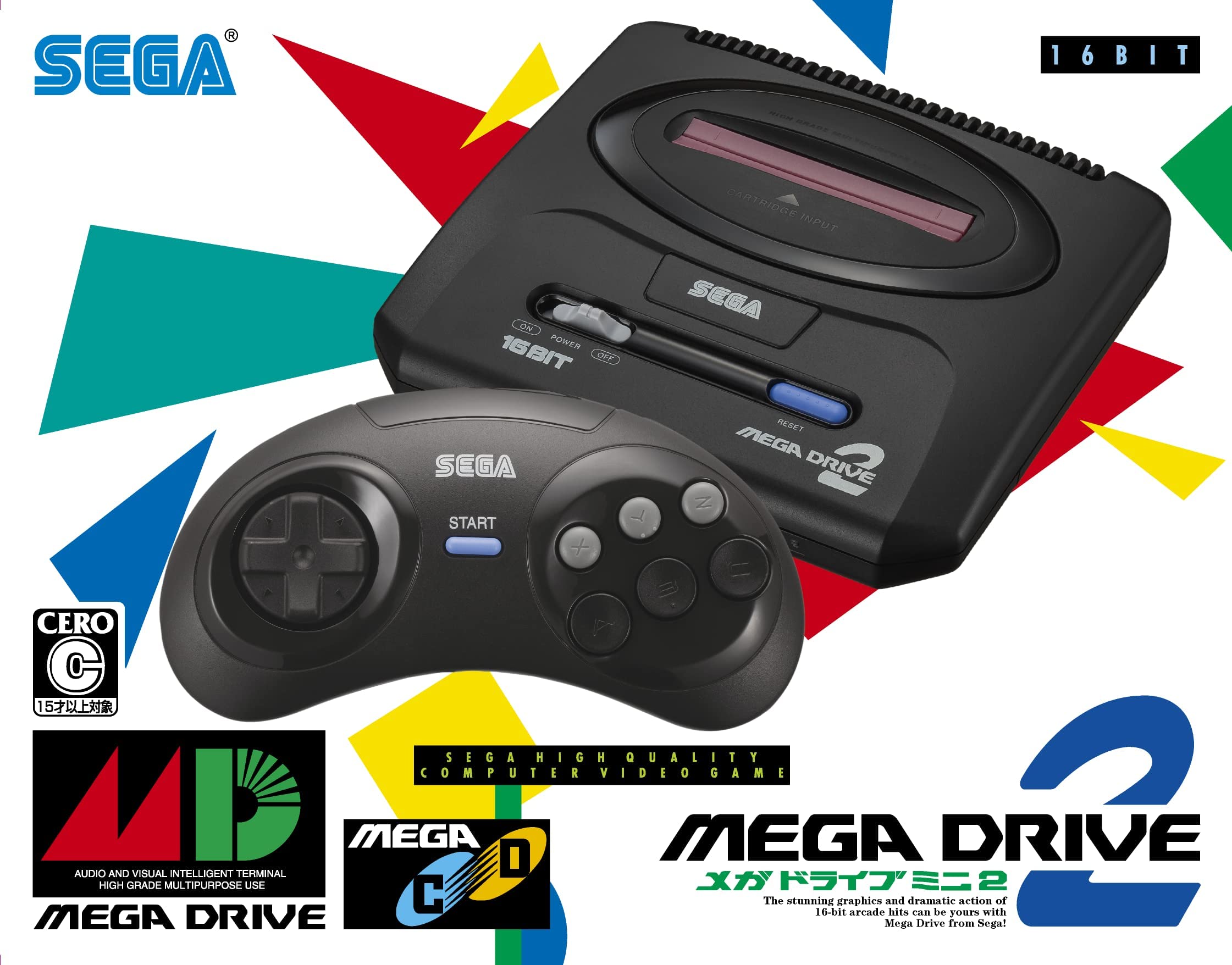
In 2019, the Sega Mega Drive II stands as a symbol of retro gaming’s lasting appeal.
Sleeker than the original Mega Drive, this streamlined console became a staple in Japan and beyond, cementing Sega’s reputation in the golden age of retro video game consoles. For collectors of Japanese retro consoles, the Mega Drive II is both a nostalgic memory and a highly desirable centerpiece.
A console built for a new era
Released in the early 1990s, the Mega Drive II was Sega’s answer to evolving tastes in design and function. Its compact form, simplified AV output, and refined sound hardware offered a fresh take on the original model. In Japan, it became especially notable for hosting a wave of titles that combined arcade-quality graphics with home accessibility.
Collectors today chase units that survive in pristine shape—whether brand new and sealed (S-grade) or mint, complete-in-box (A-grade). For many, the appeal lies not just in the games but in the system’s cultural footprint during the rise of classic gaming systems.

Iconic titles that defined the system
The Mega Drive II thrived thanks to a robust game library. Titles like Sonic the Hedgehog 2, Streets of Rage 2, and Gunstar Heroes showcased the system’s technical strengths. Japan’s exclusive releases—like Yu Yu Hakusho: Makyo Toitsusen—made the console even more valuable to import collectors.
These games turned the Mega Drive II into a bridge between mainstream audiences and hardcore enthusiasts. They also amplified the system’s reputation as a must-have for authentic retro gaming collections.

Japan-only variations and editions
Collectors are particularly fascinated by the Japan-only editions. Sega frequently partnered with anime and toy franchises for special releases, creating unique hardware shells and bundled accessories. Some limited runs featured alternate colors or branded logos, making them highly sought-after collectibles.
Today, finding one in sealed retro consoles condition is nearly impossible, which only increases their aura among enthusiasts. When they do surface, they become centerpiece items at auctions and exhibitions alike.

Legacy in 2019
Nearly three decades later, the Mega Drive II’s influence is still felt. Miniaturized re-releases like the Mega Drive Mini reflect the ongoing fascination with Sega’s 16-bit era. Yet for purists, nothing replaces the weight, design, and authenticity of the original hardware.
Collectors consider the Mega Drive II more than a console—it’s a cultural landmark that connects the energy of Japan’s 1990s gaming boom with today’s nostalgia-driven collecting scene.

The bigger picture for collectors
The Mega Drive II’s enduring presence highlights a larger truth about rare gaming consoles: they’re not only machines but cultural artifacts. From the colorful box art to the sturdy build, every detail reflects a chapter in gaming’s global story.
In 2019, the Mega Drive II remains proof that even the “second model” of a console can carve its own legacy. Collectors prize the system not only for its games but for the stories it carries—childhood battles, late-night marathons, and friendships built around its controllers. Its design also represents Sega’s boldness, adapting to market changes while retaining its identity. This balance of nostalgia and innovation ensures the Mega Drive II stays firmly embedded in retro gaming Japan culture.
For more context on how hardware variations shape demand, see our upcoming feature on the Sony PSP-3000 Limited Editions.
Share:
RetroPixl Opens New York Hub for Retro Gaming Collectors
How Streaming Boosted Retro Game Demand Category