

Why Nintendo’s colorful handheld still matters
Two decades after its release, the Game Boy Color continues to shine as one of Nintendo’s most beloved retro handhelds. For fans of retro gaming, the system strikes the perfect balance: simple hardware with a massive library, a rainbow of hardware variations, and a bridge between the original Game Boy and Nintendo’s modern portables. For retro game collectors, the GBC represents not only nostalgia but also one of the most collectible handheld systems ever made.
A colorful legacy
When Nintendo introduced the Game Boy Color in 1998, it revitalized handheld gaming without abandoning its roots. Backward compatibility with the Game Boy’s extensive library meant millions of games gained new life with color palettes and brighter visuals.
The system itself stood out through its vibrant shell options. Atomic Purple became an instant classic, while Japan-exclusive clear editions and bundled colors created a rush among collectors. These hardware variations are part of why the GBC still captures attention today: each colorway feels like a piece of gaming fashion history.
Even in 2018, a boxed mint condition console in rare colors commands high prices on collector markets. Beyond nostalgia, the GBC represents a cultural artifact — one that bridged 8-bit history with the anticipation of Nintendo’s future handheld dominance.

The library that defined a generation
The Game Boy Color wasn’t just about new shells — it delivered some of the most important titles in handheld history. For collectors and players, these games define why the system endures:

-
Pokémon Gold, Silver, and Crystal → Introduced the Johto region, day/night cycles, and expanded the Pokémon universe in ways that kept fans hooked for years.
-
The Legend of Zelda: Oracle of Ages / Oracle of Seasons → A unique dual-release experiment by Capcom and Nintendo, still regarded as some of the finest Zelda titles.
-
Dragon Quest I & II / III (Japan-only) → Remakes that showcased how the GBC could carry console-level RPG experiences.
-
Shantae (2002) → Released late in the system’s life, this platformer has become one of the most expensive GBC titles, often fetching hundreds of dollars sealed.
-
Harvest Moon GBC → A portable version of the beloved farming sim that kept the franchise thriving.
For collectors, sealed copies of Pokémon or limited-edition Zelda bundles are holy grails, investments and cultural milestones.
A collector’s dream machine
The Game Boy Color has become one of the most popular systems for retro game collectors because of its sheer variety and global reach. Collectors chase:
-
Japan-only consoles (clear purple variations, special promotional editions)
-
Limited bundles (Pokémon Center editions, Zelda-themed packages)
-
Sealed games (Pokémon Crystal, Shantae, Dragon Quest)
-
Promotional tie-ins (rare hardware given away at events)

In Japan, variations like the All Nippon Airways (ANA), the Grape and Berry colors, or translucent shells not released internationally, make the GBC particularly valuable for collectors of Japanese retro consoles. These editions embody the cross-cultural appeal of handheld gaming — global yet deeply regional in their design quirks.
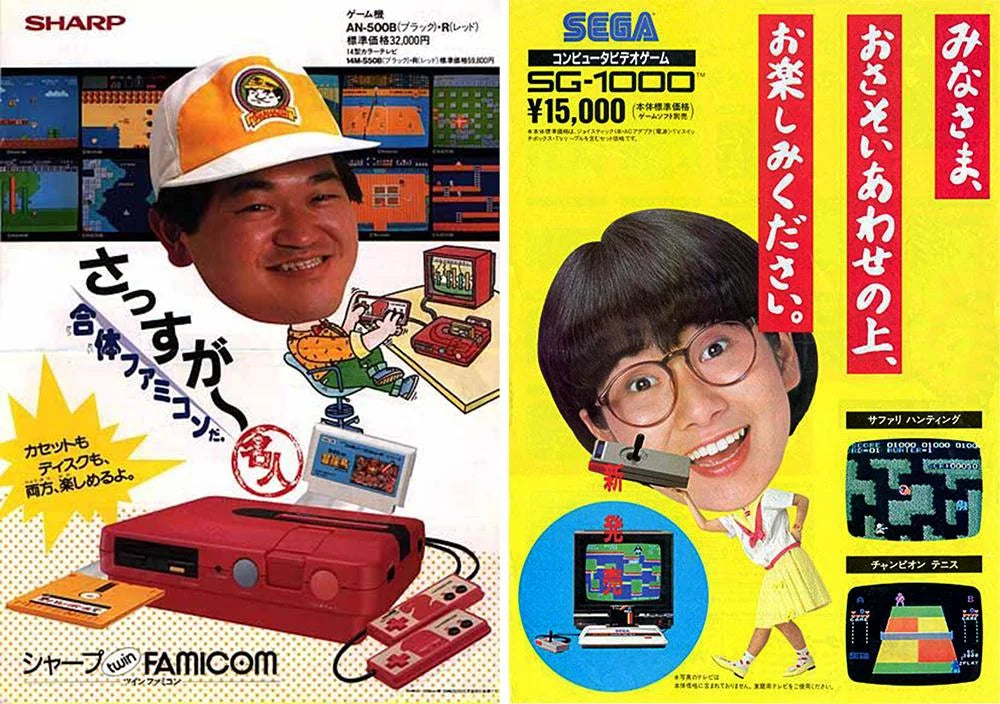
Our Collectors collection highlights similar treasures, showing how handhelds like the GBC stand shoulder-to-shoulder with legendary consoles such as the Neo Geo CDZ or Sharp Twin Famicom.
Modding, upgrades, and modern love
The Game Boy Color hasn’t just survived in collector circles; it thrives among modders and enthusiasts. Modern upgrades like IPS screen mods, rechargeable battery packs, and shell replacements have given the GBC a second life. These mods don’t just restore old systems; they transform them into modern play machines.
Collectors often debate whether modding reduces authenticity, but many see it as a way of keeping the hardware alive. In this way, the GBC is more than a collectible — it’s an active part of authentic retro gaming today.
The Game Boy Color’s legacy today
The Game Boy Color represents a pivotal point in gaming history. It bridged eras — keeping ties to the original Game Boy while pointing toward the future that would bring the Game Boy Advance and DS. It embodies simplicity: no online features, no updates, no downloadable content — just pure gameplay in your hands.
For many, the GBC is a reminder of what gaming used to feel like. The colorful shells are instantly recognizable, the chiptune soundtracks unforgettable, and the games endlessly replayable. It’s a handheld that defines Japanese gaming culture while transcending borders, appealing to fans worldwide.
To see how this handheld fits into the broader story of Nintendo’s dominance, revisit our Super Famicom Legacy in Japan (Mar 2016), which explains how Japanese retro consoles shaped the very foundation of global gaming.
Share:
RetroPixl 2017 Year in Review
Top 5 Rarest PlayStation Consoles in Japan