
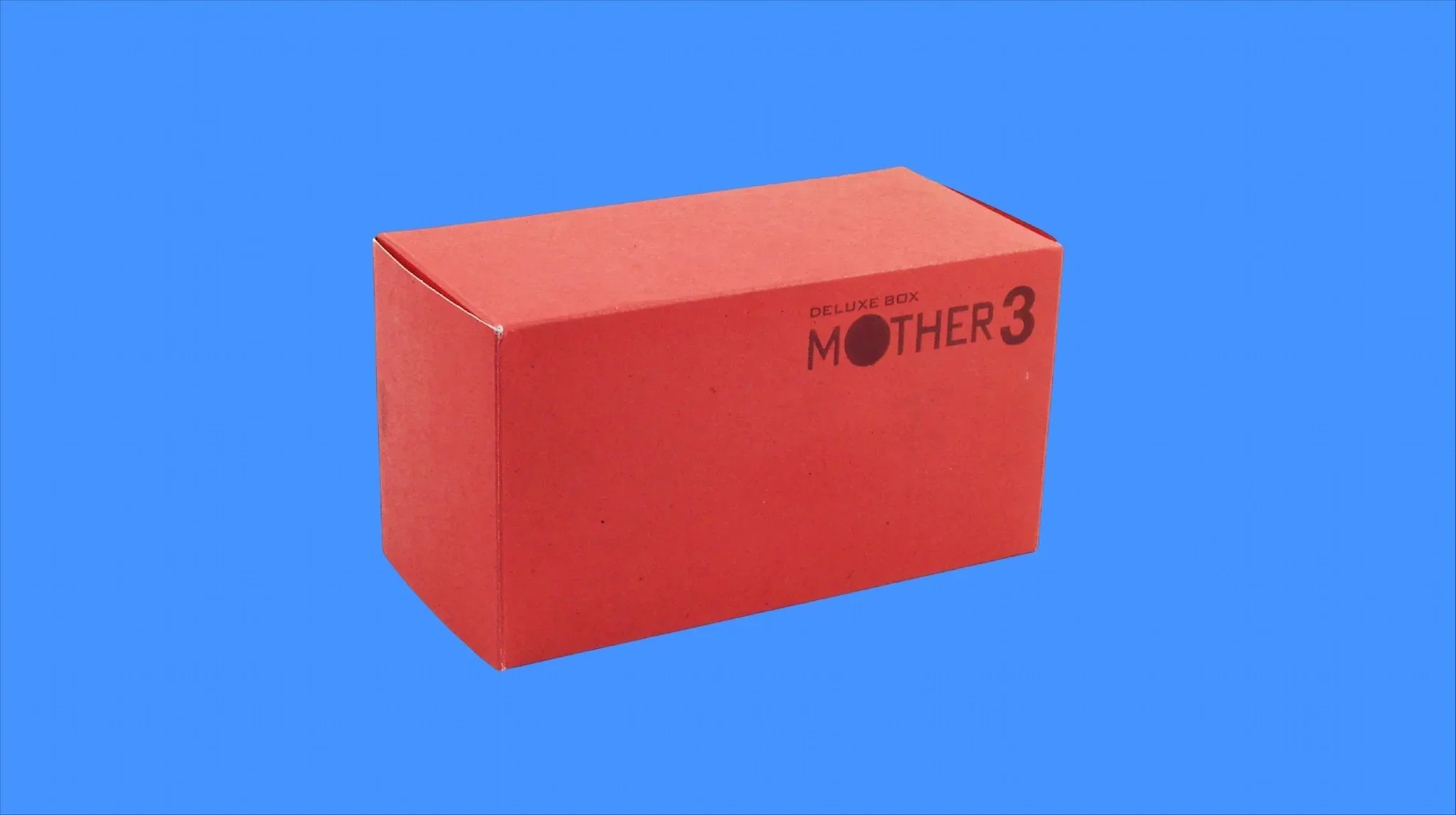
When the box became the message
For decades, gamers cared more about what was inside the box than the box itself. But as retro culture matured, collectors began to see packaging as an essential part of the experience. The colors, typography, and layout that once caught attention on store shelves now serve as time capsules of design. In Japan, where appreciation for presentation runs deep, the return of display-box culture feels natural. For enthusiasts of Collectibles, a well-preserved box is no longer an accessory, it is the centerpiece.
Design that defined generations
Each era of gaming brought its own design language. The red border of Famicom packaging, the clean gradients of PlayStation boxes, the bold geometry of Dreamcast cartons, all carried the visual codes of their time. Japanese packaging excelled in balance and storytelling, using product photos and vibrant copy to evoke emotion. Collectors of Retro Gaming now view these boxes as miniature posters, art pieces that communicate identity as much as product information.

A Boxed Microsoft Original XBOX Console.
Preservation meets display
Modern collectors no longer hide their boxes in storage. They display them proudly, sometimes even empty, as symbols of an era. Protective sleeves, acrylic cases, and UV-resistant films are becoming as common as stands or shelving units. In the Collectors market, the value of pristine packaging has climbed dramatically. A box in near-mint condition can double a console’s worth. Presentation has become proof of dedication.
The Japanese influence
Japan’s deep respect for aesthetics shapes this movement. From stationery to product design, presentation is treated as an art form. Console packaging followed the same philosophy. The precision of folds, gloss of paper, and clarity of printing all spoke to craftsmanship. As global collectors rediscover this approach, many now seek original Japanese boxes specifically for their superior materials and typography. The influence of Japan’s presentation culture has reignited global appreciation for packaging as part of collectible heritage.

Customization and creative revival
The return of box culture has inspired new artists to design reproduction sleeves, archival reprints, and protective displays. Collectors often pair these with consoles from the Accessories or Home Systems categories to create unified presentations. While purists prefer original packaging, modern reproductions fill gaps for collectors who want visual completeness. The line between preservation and reinterpretation continues to blur, creating a space where nostalgia meets creativity.
From utility to storytelling
A box once existed only to protect hardware during shipping. Today it tells a story of innovation, marketing, and consumer emotion. Each crease and corner reflects a journey through stores, homes, and decades of handling. Collectors who restore or frame boxes see them not as packaging but as living design history.
Final reflection
The resurgence of display-box culture shows how presentation and preservation are inseparable in retro gaming. The box, long overlooked, has reclaimed its status as an art form that bridges nostalgia and design. For today’s collectors, protecting the past means protecting the beauty that once introduced it to the world.
Share:
The Growing Value of Handheld Consoles in Japan
RetroPixl 2021 Year in Review