
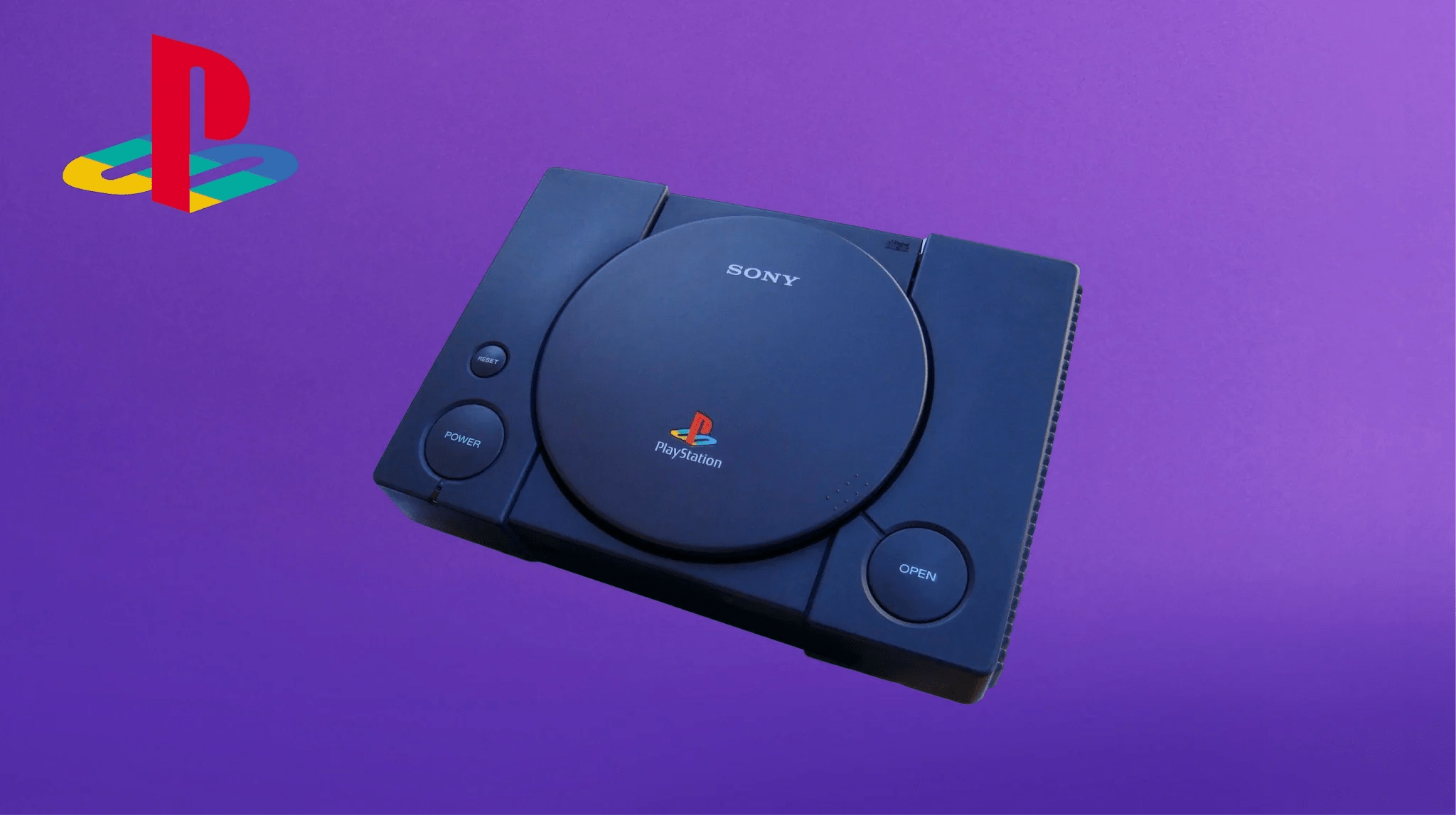
Japan’s finest hardware for the most devoted collectors
Few consoles capture the creative spirit of the 1990s like the PlayStation 1. In Japan, this system isn’t just remembered for its library of groundbreaking titles, it’s celebrated as a symbol of design innovation. Sony’s domestic releases gave birth to a series of Japan-only editions that redefined what limited-edition hardware could be. Each model blends precision craftsmanship, cultural storytelling, and visual experimentation in ways that have turned these consoles into works of art.
Behind every metallic finish and translucent shell lies the essence of Japanese design: balance, purpose, and emotion. From development kits meant for creators to bold collaborations with gaming franchises, Japan’s PlayStation 1 variations remind collectors that hardware can be just as expressive as the games themselves.
1. The Net Yaroze, a developer’s dream
Released in 1997, the Net Yaroze is instantly recognizable with its matte-black casing and minimalist finish. Originally designed as a home development kit, it allowed amateur programmers to create their own games. Its symbolic value lies in freedom, Sony empowering its most passionate fans to experiment. Owning a Net Yaroze today feels like holding a piece of gaming’s creative DNA, and its scarcity makes it one of the crown jewels of the Collectors Collection.

2. The 10 Million Edition, celebration in steel gray
Released in December 1998 to commemorate ten million units sold worldwide, the 10 Million Edition remains one of the most coveted Japanese exclusives. Its deep metallic charcoal finish, unique logo plate, and serialized packaging mark it as a true celebration of PlayStation’s rise. It’s both a collector’s centerpiece and a tangible milestone in gaming history.

3. The Debug Station, hidden in plain sight
Finally, the Debug Station, Sony’s internal testing unit used by developers, completes the list. These consoles were never meant for consumers, yet many found their way into the hands of collectors. Usually blue or green, with serial plates instead of retail packaging, they capture the allure of what was never supposed to leave the studio floor.

4. The Midnight Blue, refined simplicity
The Midnight Blue model represents pure elegance. Sold primarily through Sony’s PlayStation Club in Japan, this edition mirrors the country’s appreciation for subtle luxury. Its deep tone shifts under light, giving it a quiet sophistication that feels more like art than technology. Collectors love it for how it captures the emotional restraint and beauty of late-90s Japanese design.

5. The PS one Combo Pack, compact perfection
When Sony redesigned the PlayStation into the smaller PS one, Japan received the exclusive Combo Pack with a fold-up LCD screen. It transformed the console into a portable entertainment system long before handheld gaming reached mainstream dominance. In retrospect, it represents Japan’s unique approach to space-saving design and lifestyle integration, hardware shaped around how people actually lived.

Beyond color and rarity
Each of these consoles tells a different story, but together they reveal a uniquely Japanese approach to technology. Hardware is not treated as disposable; it’s respected, displayed, and preserved. The limited runs, careful packaging, and unique model codes reflect a production culture where emotion and precision coexist.
Unlike Western markets, where limited editions often rely on branding or celebrity tie-ins, Japan’s special models feel intimate. They invite curiosity, not hype. This distinction has helped Japanese PlayStation consoles maintain long-term collector value, not just financial, but emotional.
The collector’s journey
Hunting for these editions today is part research, part patience, and part luck. Most remain tucked away in Japan’s private collections, occasionally surfacing in curated shops known for their commitment to authenticity. Condition matters greatly: S-grade sealed consoles are exceedingly rare, A-grade mint units are highly prized, and B-grade complete-in-box examples still hold significant value when packaging and paperwork remain intact.
Collectors who appreciate the cultural side of gaming often see these editions as artifacts, not just machines, but reflections of a nation’s relationship with creativity and technology.
Preserving a design legacy
Every PlayStation 1 Japan Edition highlights how form follows feeling. These consoles embody an era when gaming hardware had personality. They remind us that design matters, not just to sell, but to express.
For today’s community of retro enthusiasts, these editions mark a golden chapter in console history. They inspire a new generation of collectors to value authenticity, aesthetics, and the artistry behind every piece of plastic and circuitry.
Share:
How RetroPixl Sources Rare Consoles (Behind the Scenes)
SNK’s Lasting Impact on Retro Culture