
A celebration of gaming’s past and future
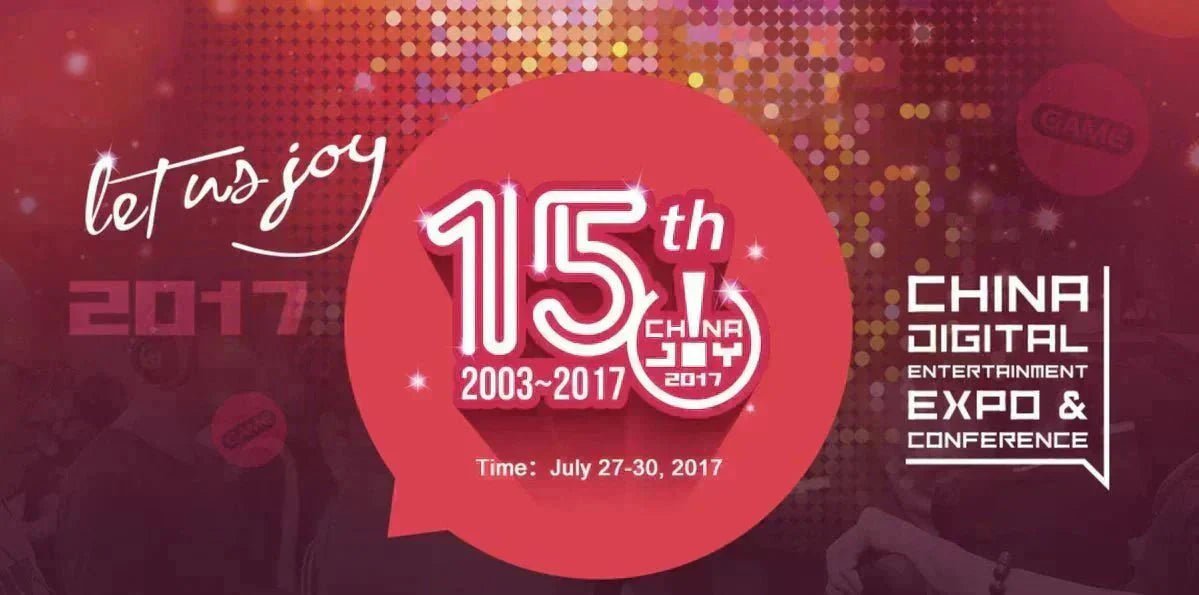
ChinaJoy 2017, held from July 27 to July 30 in Shanghai, marked the 15th anniversary of Asia’s biggest digital entertainment expo. While the spotlight often shines on cutting-edge tech like VR, esports, and mobile games, the event proved once again that the timeless appeal of retro gaming is alive and thriving. From rare gaming consoles to exclusive showcases of Japanese retro consoles, ChinaJoy was as much about nostalgia as it was about the next frontier of play.
Retro gaming takes center stage
Walking through the massive halls of the Shanghai New International Expo Center, it was impossible to ignore the balance between futuristic displays and the love for classic gaming systems. Large gaming brands unveiled the latest hardware, but tucked between flashy LED stages were spaces dedicated to retro video game consoles that drew passionate crowds.
The fascination wasn’t limited to seasoned collectors — younger gamers, many of whom had never held a Famicom controller or a Game Boy Pocket, were drawn to booths showing the very systems that shaped the foundations of gaming. ChinaJoy demonstrated that Japanese retro gaming isn’t just a niche—it’s a cultural bridge connecting generations.
Collectors’ culture on display
Collectors were treated to rare finds that sparked conversations across the event floor. From brand new consoles sealed in their original boxes to Japan-only editions like the sleek Nintendo DS Lite colors never released outside Asia, these displays underscored why retro hardware has become as collectible as fine art.
Panels highlighted how retro gaming Japan remains a top source for unique imports, with Japan-exclusive designs and variations commanding strong interest. The presence of collector’s edition consoles at ChinaJoy emphasized their growing status as investment-grade collectibles rather than just hobbyist treasures.
For readers who love tracking down hidden gems, our Collectors collection offers a glimpse into the same culture celebrated at events like ChinaJoy.

Shanghai’s global role in gaming culture
Shanghai has long been a hub for gaming culture, but ChinaJoy’s 2017 edition confirmed its global relevance. The event drew enthusiasts from across Asia and beyond, many seeking not only the latest titles but also connections to authentic retro gaming. Retro consoles from Japan and rare accessories became focal points in conversations about how nostalgia fuels modern game design.
Looking back, the Super Famicom Legacy in Japan (Mar 15, 2016) shows how much influence Japanese imports continue to have on global collectors, a theme that echoed strongly throughout the expo.

Why ChinaJoy matters for retro gamers
ChinaJoy wasn’t just another gaming expo—it was proof that retro video games remain central to global gaming culture. For collectors, it reinforced a simple truth: retro hardware is more than just plastic and silicon. It’s history, artistry, and cultural memory, preserved through consoles that defined decades of play.
Share:
The WonderSwan’s Rare Add-Ons
The Collector Edition N64 Pikachu Console