
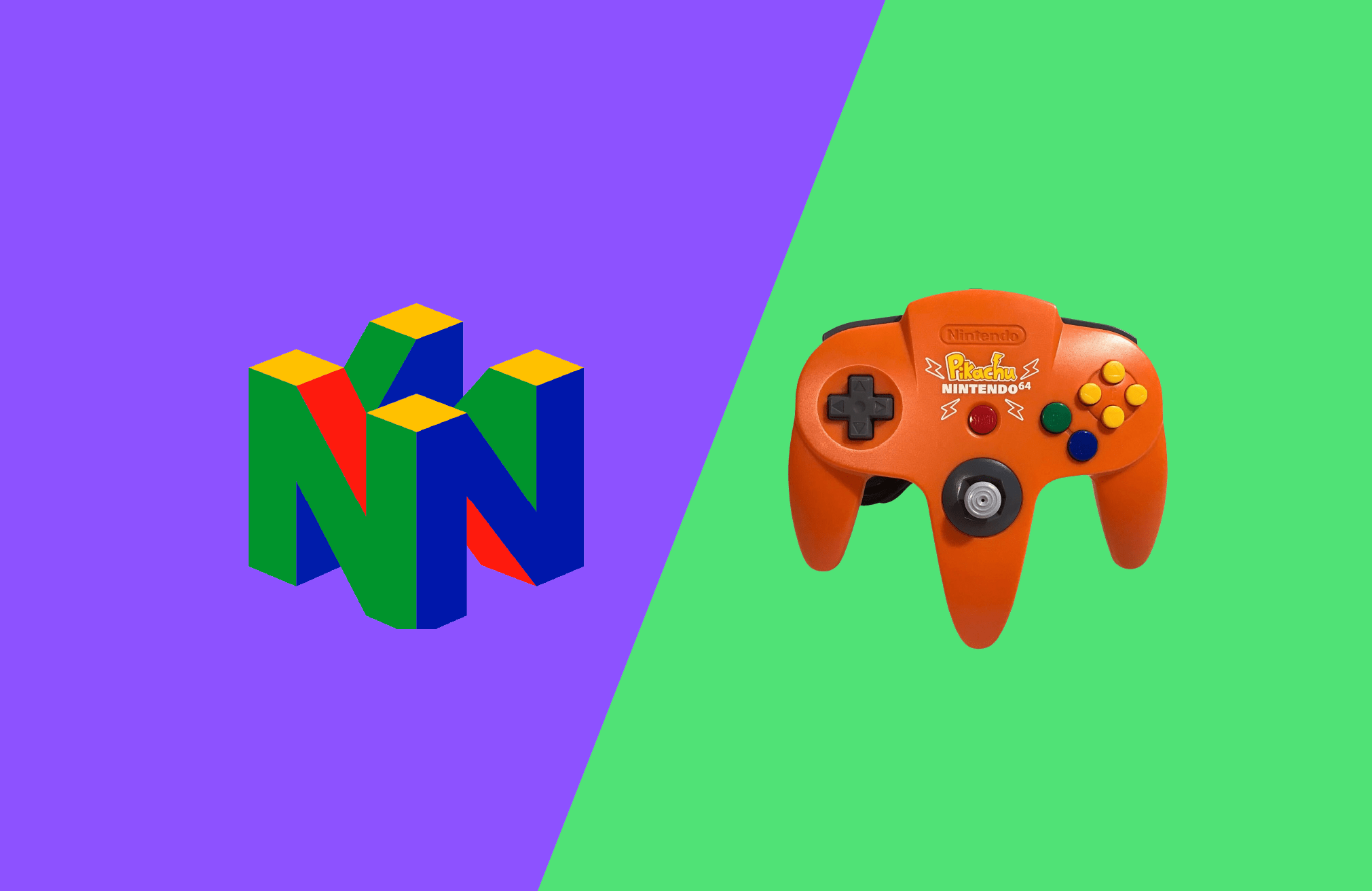
A console that doubles as a mascot
When the Nintendo 64 was nearing the end of its lifecycle, Nintendo released a bold, colorful variant that captured attention instantly—the Pikachu console. This limited-edition system wasn’t just a way to play games; it was a celebration of Pokémon’s dominance in the late ’90s and early 2000s. Today, it stands as one of the most recognizable and collectible N64 variants.
Design that made waves
The Pikachu console wasn’t subtle. With its bright blue casing, oversized Pikachu figure on the top, and a power switch cleverly disguised as Poké Ball, it transformed the N64 from a gaming machine into a display piece. For fans, it was more than a console—it was a statement of loyalty to the franchise that defined a generation.

Regional variants and rarity
Multiple versions of the Pikachu N64 were released, with slight regional differences in packaging and controllers. Some came bundled with Hey You, Pikachu! and a microphone accessory, while others shipped with different box art or promotional stickers. Collectors today chase these small differences, as sealed regional sets can vary dramatically in value.
Why collectors prize it
The limited release and iconic design mean the Pikachu N64 continues to command attention. Like the Street Fighter II Figures from Japan, it represents the crossover between gaming and pop culture. Condition is critical—boxes with intact artwork and untouched controllers add significant value. For collectors browsing our Collectors collection, the Pikachu N64 is a perfect example of how limited editions elevate everyday hardware into showcase treasures.

The console as a cultural icon
Beyond its rarity, the Pikachu N64 is remembered for how it merged gaming with cultural branding in a way few consoles had done before. Its oversized Pikachu figure molded directly into the shell made it instantly recognizable, turning what was normally a sleek piece of hardware into something playful and character-driven. By blurring the line between toy and technology, Nintendo created a console that spoke to both children, who saw it as a larger-than-life toy, and adults, who appreciated its uniqueness and collectibility. The design itself symbolized Nintendo’s strength at the time: a company unafraid to experiment, to infuse personality into hardware, and to treat the console as more than just a box that plays games. That combination of fun and functionality ensured its place as one of the most celebrated pieces in Nintendo’s hardware history.
For collectors, the Pikachu N64 represents more than a console — it’s a snapshot of late ’90s gaming culture, when Pokémon fever was at its peak and Nintendo knew exactly how to tap into it. Within RetroPixl’s Collectors collection, it stands shoulder to shoulder with other iconic systems of the era, from Japan-only variants of the Game Boy to limited-edition Sega releases, all of which shaped the way hardware became cultural symbols as much as gaming devices.
Share:
ChinaJoy 2017 in Shanghai: Retro Gaming Meets the Future
Launch of the RetroPixl Collectibles Collection