
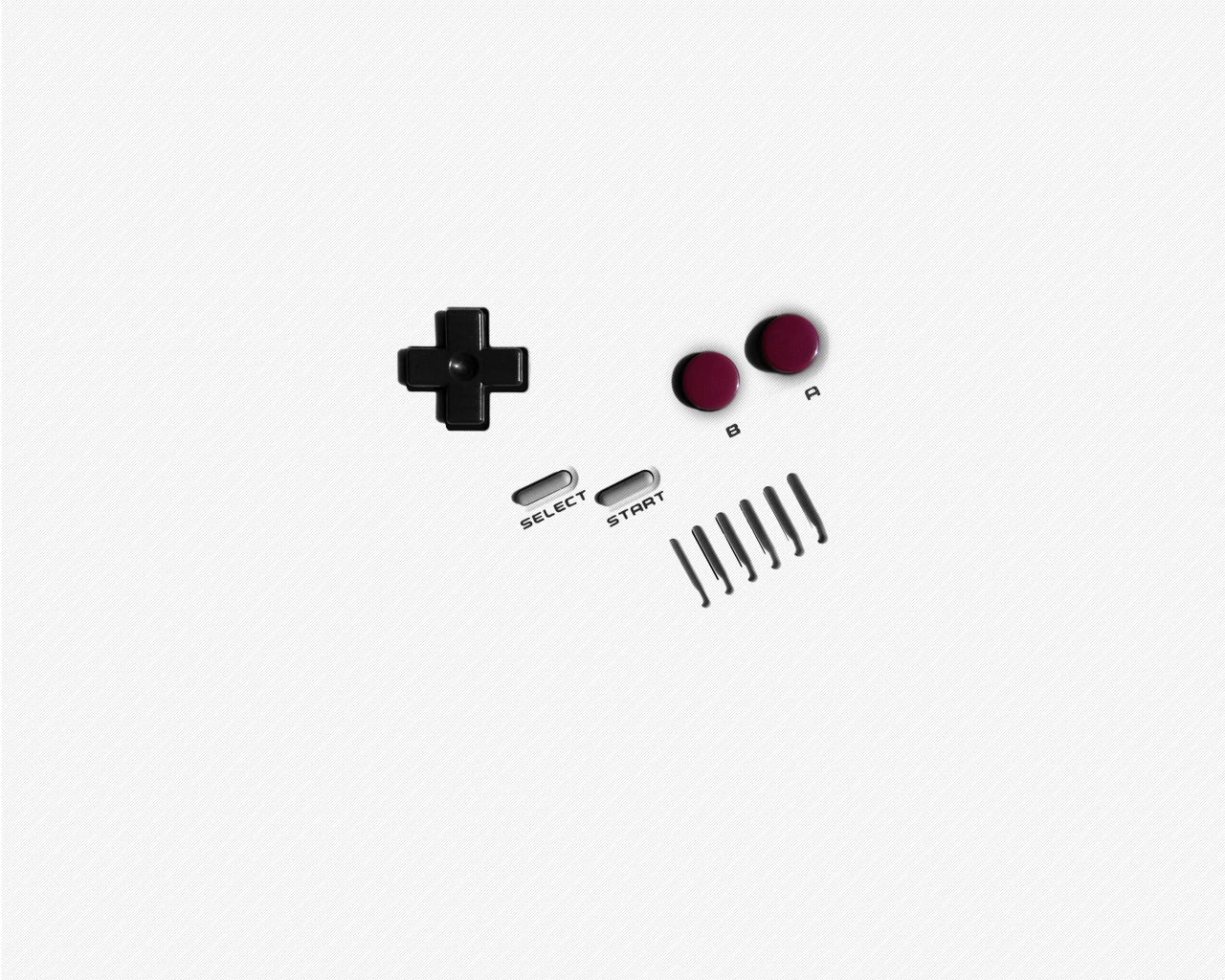
Nintendo released the Game Boy Camera in 1998, few could have predicted that this quirky add-on would become one of the most unusual — and collectible — pieces of gaming history.
Originally marketed as a toy for kids, the Game Boy Camera transformed the handheld into a digital camera, photo editor, and creativity tool, years before smartphones made those features standard.
Today, collectors view the Game Boy Camera not only as a nostalgic curiosity but also as an important step in the evolution of portable technology. Sealed editions and Japan-exclusive color variants have cemented its status as a must-have accessory for retro gaming enthusiasts.
What Exactly Was the Game Boy Camera?
The Game Boy Camera was a small cartridge with a swiveling lens that plugged into the Game Boy. It allowed players to take grayscale photos at 128x112 resolution, edit them with filters and stickers, and even create simple animations. With the companion Game Boy Printer, players could print their images onto thermal paper, turning the handheld into a full photography studio.
Nintendo leaned into its playful DNA with the design. The software included minigames, Easter eggs, and even quirky credits that reflected the company’s offbeat sense of humor. It wasn’t just a camera; it was a toybox of digital creativity.
Why It Became Collectible
At launch, the Game Boy Camera felt like a novelty, but its appeal has only grown with time. There are three key reasons collectors now prize it:
-
Condition and scarcity — sealed or mint-in-box units are increasingly rare, with prices climbing steadily.
-
Variants — Japan received exclusive color editions (gold, green, clear purple) that never saw international release, making them especially sought-after.
-
Cultural cachet — the Camera embodies Nintendo’s willingness to experiment, something collectors deeply respect.
For many, it represents an era when hardware was full of surprises, not just predictable upgrades.
Cultural Impact Beyond Gaming
While it looks primitive by modern standards, the Game Boy Camera was revolutionary in 1998. It blurred the line between gaming and everyday life, giving kids their first taste of digital photography. Some early adopters even used it for creative projects — musicians snapped portraits for album art, zines featured Game Boy Camera photos, and hobbyists still use it today to create pixelated art with a retro flair.
Its influence also extended into technology history. By democratizing photography in a playful format, it foreshadowed the rise of mobile cameras and the selfie culture that would dominate the 2000s and beyond.

Collector Value Today
Like other retro accessories, value depends heavily on condition and rarity:
-
Loose units: often sell for $40–70.
-
Complete-in-box editions: can range from $100–200.
-
Sealed units or Japan-only colors: frequently exceed $250–400, with spikes for rare packaging variations.
As the retro market matures, the Game Boy Camera continues to climb in value, not just because of nostalgia but because of its role in gaming and tech history.
Why It Matters for Collectors
For collectors, the Game Boy Camera is more than a quirky add-on. It’s a conversation piece that highlights Nintendo’s identity: bold, experimental, and playful. It also demonstrates how retro gaming isn’t limited to consoles and cartridges — accessories and peripherals tell their own stories about the industry’s creativity.
Adding a Game Boy Camera to a collection isn’t just about rarity; it’s about celebrating a time when gaming companies took risks that shaped the culture we live in today.
Share:
Neo Geo CDZ: The Rarest Console in SNK’s Legacy
RetroPixl 2016 Year in Review