
How Kyoto’s Nintendo Museum reignites Japan’s collector culture
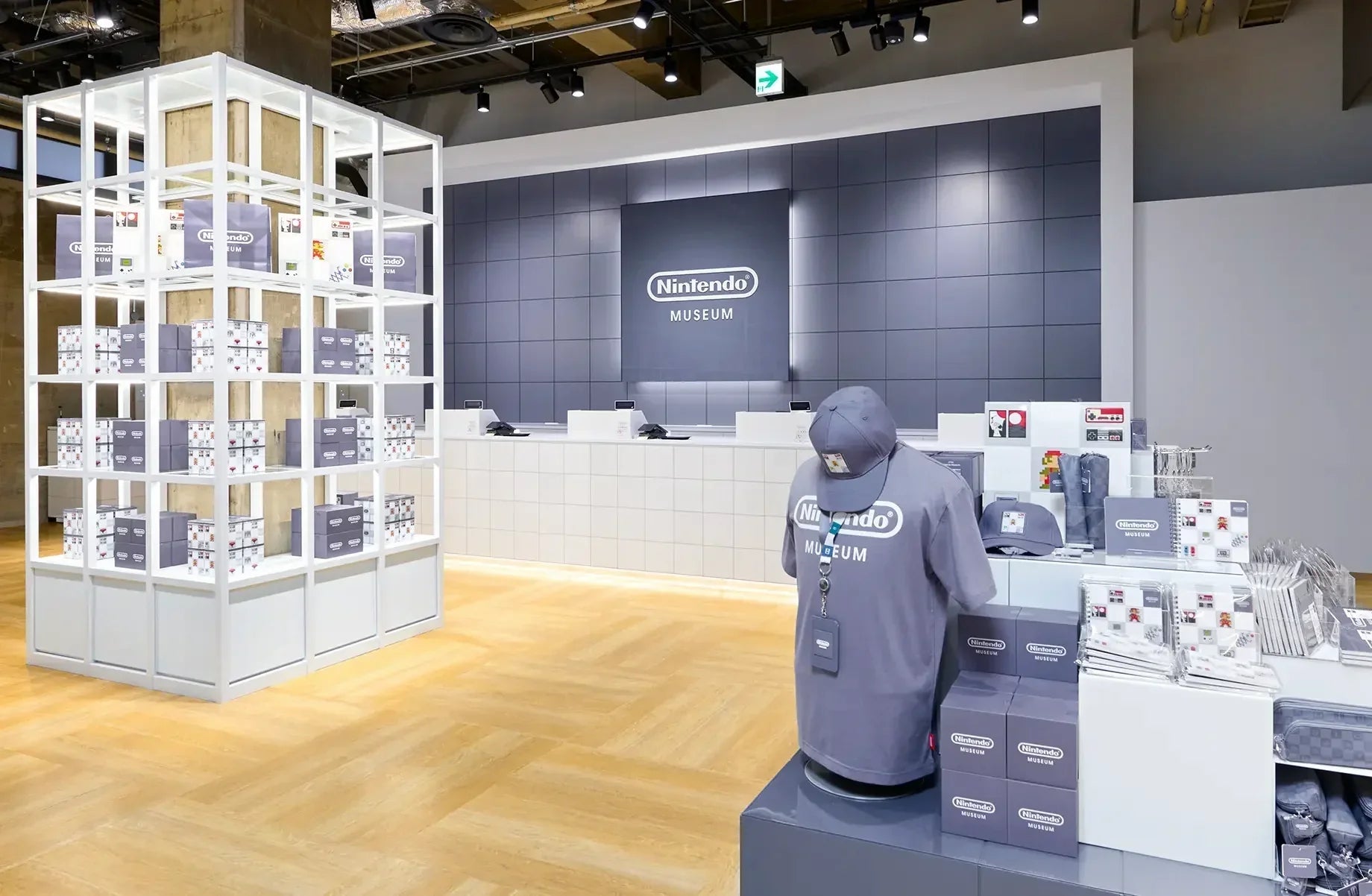
In 2025, Nintendo opens its long-anticipated Nintendo Museum in Kyoto, Japan, built on the grounds of the company’s former Uji Ogura manufacturing plant. The new facility celebrates over a century of creativity, from humble playing cards to groundbreaking consoles. For collectors, it is more than an exhibition; it’s a physical embodiment of Nintendo’s craftsmanship, innovation, and playfulness that have inspired decades of hardware collectors worldwide.
The new museum redefines how Kyoto showcases Nintendo’s gaming heritage to the world.
From hanafuda to hardware icons
Long before Mario and Zelda, Nintendo crafted toys, arcade machines, and hanafuda playing cards. Inside the Kyoto museum, this transformation unfolds chronologically, ending in a gallery that highlights legendary consoles like the Famicom, Game Boy, and Nintendo 64. Each section focuses on design precision, material quality, and Japanese engineering values that shaped generations of hardware design.
Collectors attending the opening describe the experience as emotional. Holding a boxed Super Famicom or a Game Boy Light now feels symbolic, a tangible link between history and artistry. These objects aren’t just nostalgia; they’re a living testimony of Japan’s devotion to craft and cultural preservation.

Rare Nintendo merchandise back in demand
The museum’s curated showcases trigger a new wave of enthusiasm among collectors. Limited-edition Mario, Metroid, and Zelda memorabilia see renewed attention, especially Japanese-exclusive items once available only through Club Nintendo or regional campaigns. Prototypes, pre-release versions, and packaging samples displayed in Kyoto provide fresh context for fans seeking authenticity.
This momentum reflects across RetroPixl’s Retro Gaming Collection, Collectors Collection, and Collectibles sections, where enthusiasts pursue original hardware and accessories in brand new and sealed (S-grade), mint (A-grade), or complete-in-box (B-grade) condition. The attention to detail, from box art to texture, mirrors Nintendo’s own design philosophy.

Design as storytelling
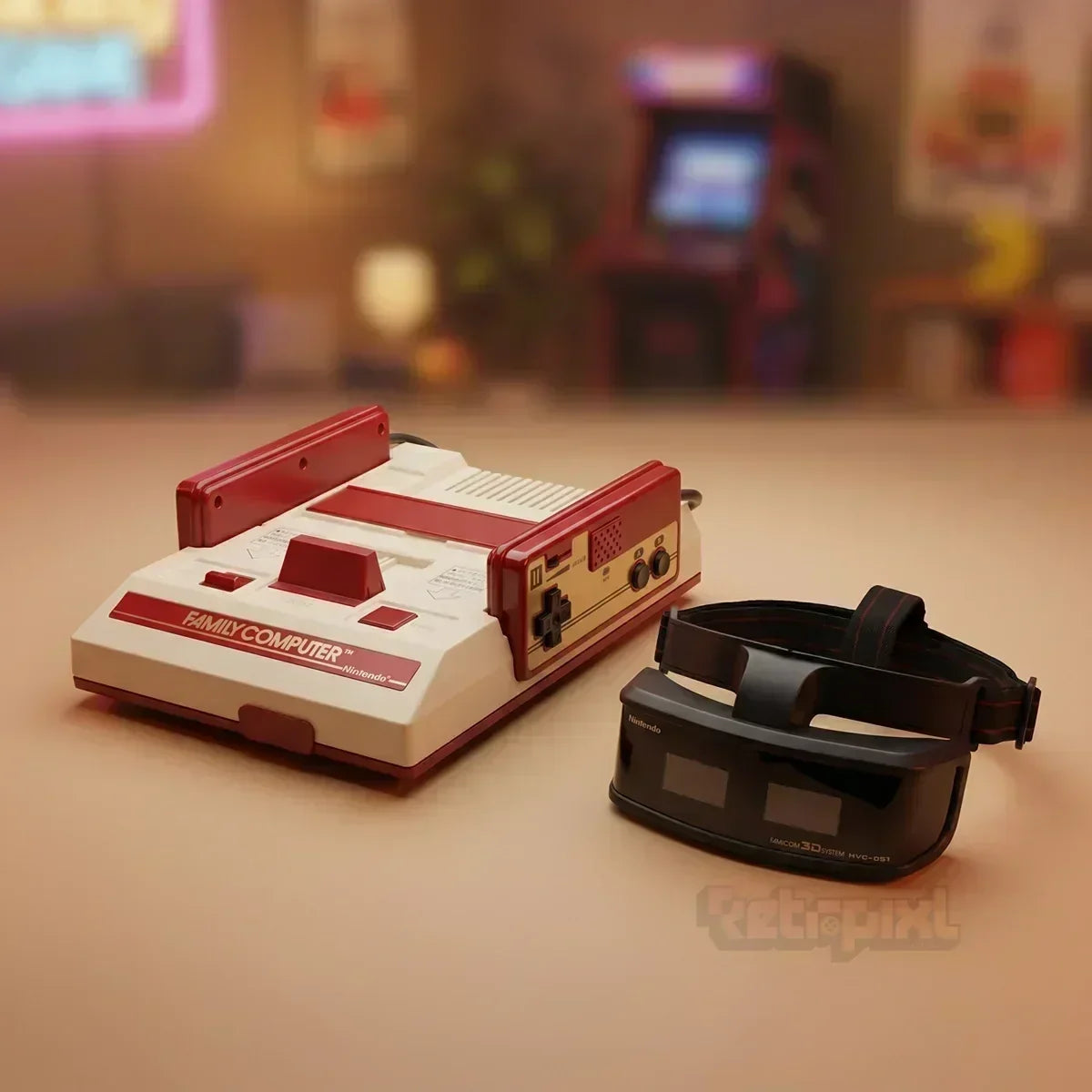
Every exhibit in the museum emphasizes the idea that hardware can tell a story. Whether it’s the transparent casing of a Game Boy Advance or the metallic red finish of a Japanese Famicom, these design choices reflect narrative intent as much as technical engineering. Japan’s focus on beauty in utility, or monozukuri, is present in every display.
RetroPixl shares this philosophy by preserving consoles and collectibles that express character through form and finish. In both Kyoto’s museum halls and collector shelves worldwide, design and emotion coexist, keeping Nintendo’s cultural story alive through tangible form.

Global and cultural impact
The opening of the Kyoto museum instantly becomes a global event. Collectors travel from around the world, sharing photos, videos, and memories that amplify the reach of Japan’s retro scene. The museum’s approach, treating gaming as cultural art, validates what collectors have known for years: preservation matters.
RetroPixl readers can explore more on this topic through Super Famicom Legacy in Japan, or browse curated pieces across the Accessories and Collectibles sections that echo the spirit of what Kyoto now celebrates, the artistry of play.

Legacy for players and collectors
The Nintendo Museum in Kyoto doesn’t just celebrate Nintendo, it honors Japan’s entire legacy of hardware design and collector passion. Every boxed console, every toy, every piece of packaging displayed within those glass walls deepens the appreciation for preservation.
For collectors inspired by this cultural moment, the Retro Gaming Collection, Collectors Collection, and Collectibles sections offer access to consoles and artifacts that share the same DNA now enshrined in Kyoto’s newest landmark of gaming history.
Share:
Limited Edition PS4 Consoles
Launch of Retro Refurb Services