
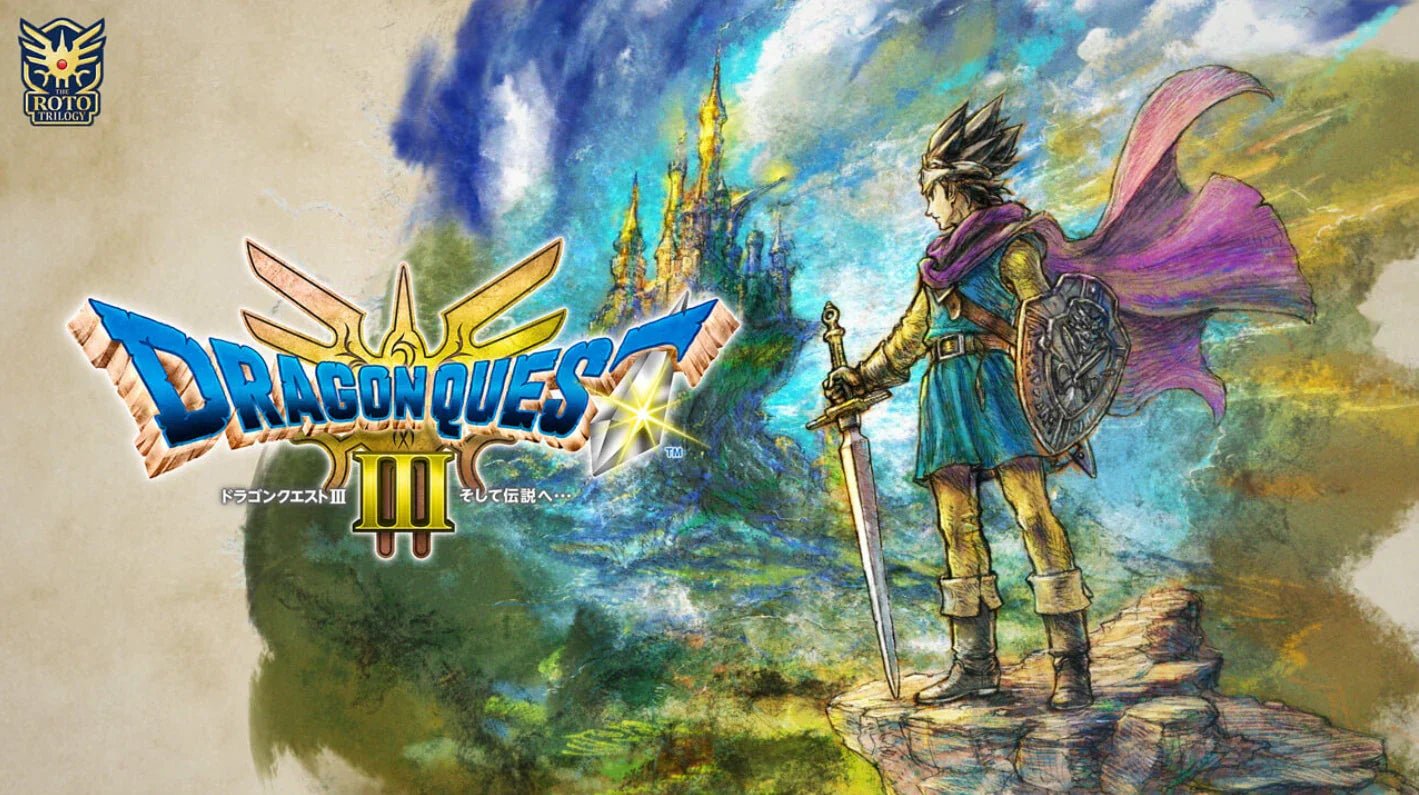
A golden age of storytelling in Japanese retro gaming
Before the era of 3D graphics and cinematic blockbusters, the Super Famicom stood as the home of deep, imaginative worlds. Released in Japan in 1990, it shaped a generation of retro video game consoles that valued art, emotion, and creativity. Among its library, Japanese RPGs became the crown jewels, experiences so rich that decades later, collectors still search for mint copies and original boxes.
The allure of Japanese exclusivity
While North American fans knew the console as the Super Nintendo Entertainment System (SNES), Japan’s Super Famicom had an entirely different identity. Many role-playing games never crossed the ocean, creating a wave of exclusives that became legends whispered about in collector circles. Titles such as Bahamut Lagoon, Live A Live, and Treasure Hunter G showcased design philosophies unique to retro gaming Japan, artistic, challenging, and experimental.
Why these imports matter to collectors
Unlike modern releases, these RPGs were physical expressions of creativity. Their box illustrations, instruction booklets, and cartridge labels were miniature works of art. Collectors today value not only the gameplay but the craftsmanship that defined the classic gaming systems of the 1990s.
Finding a complete-in-box Super Famicom RPG is increasingly rare. Brand new copies are nearly mythical, often held by preservationists rather than traders. For RetroPixl’s community of enthusiasts, these pieces are not just games; they are fragments of Japan’s cultural legacy.
The packaging art that defined an era
Japanese publishers approached packaging as storytelling. Every box told a tale before the console even powered on. Whether it was Square’s watercolor fantasy style or Enix’s dramatic compositions, the aesthetic set the tone for the adventure ahead. For collectors, the appeal lies in that harmony between art and hardware, a synergy that continues to inspire retro console stores and exhibitions across the world.

Square’s watercolor boxes became icons of 1990s retro gaming collectibles design.
Hardware meets narrative depth
The Super Famicom was not the most powerful system of its time, but its custom Ricoh CPU and color palette allowed developers to create visual masterpieces. Its focus on storytelling and emotion gave rise to the Japanese concept of “playing to feel,” which later shaped modern RPGs. That emotional connection explains why retro gaming collectors still rank the console as one of the most meaningful systems ever made.
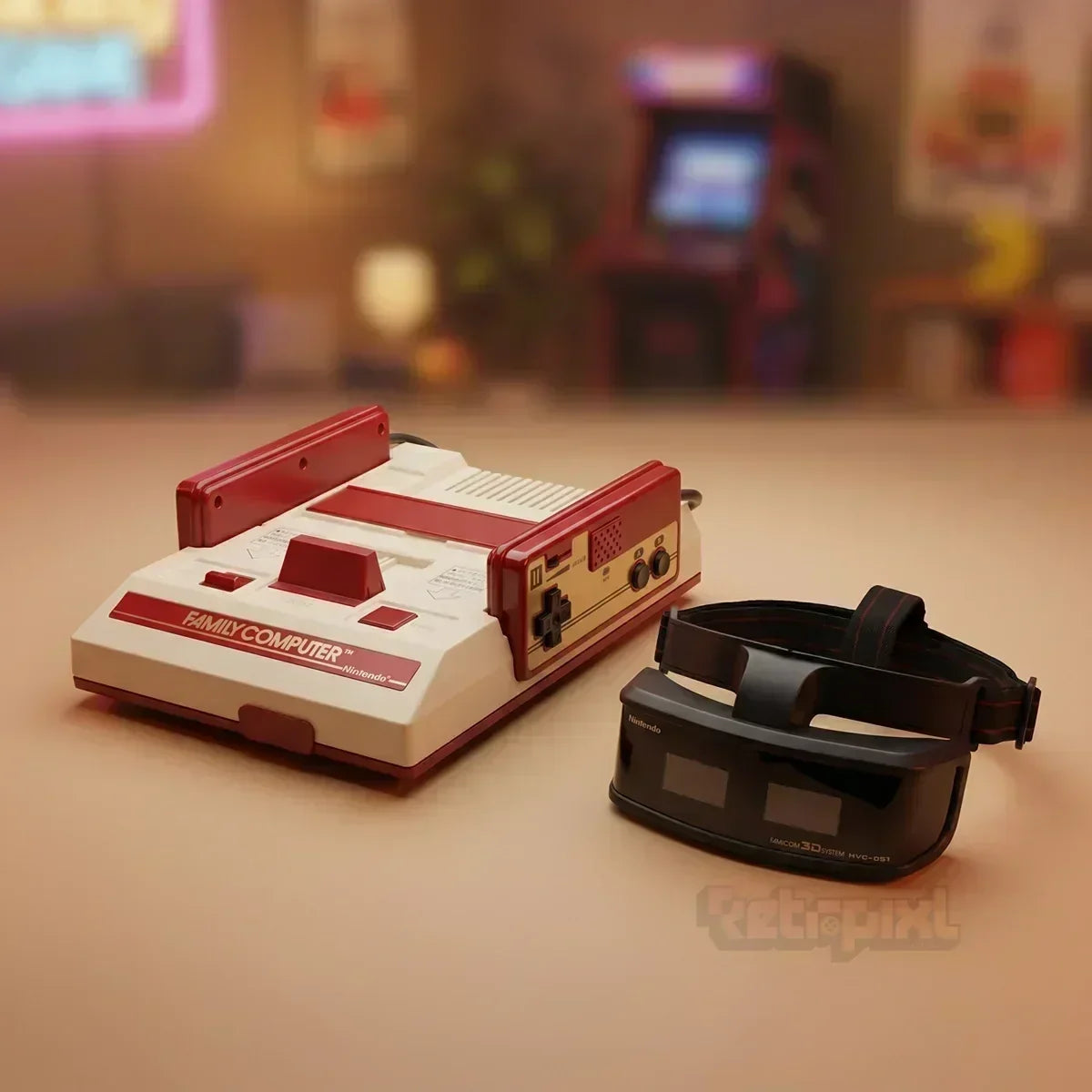
When displayed among mint condition consoles from the 16-bit era, the Super Famicom remains unmistakable, a soft-cornered gray shell filled with imagination. For those who collect hardware and software together, few combinations represent nostalgia more perfectly.
The collector market in 2022
By late 2022, prices for rare gaming consoles and SNES RPG imports had surged. Condition grading now plays a decisive role in value. RetroPixl’s curated Collectors Collection continues to emphasize preservation and authenticity rather than speculation, ensuring each item reflects the integrity of Japan’s gaming history.
The emotional legacy of Japanese RPGs
For many fans, importing these titles in the early 2000s meant discovering a hidden world. Translating menus and fan guides became part of the adventure. Today, collectors who display these boxed RPGs remember that sense of discovery and community. It is what transforms them from cartridges into cultural heirlooms.
Every sealed box represents the patience and passion that define authentic retro gaming. The devotion of Japanese developers in that era, hand-painting sprites, orchestrating MIDI soundtracks, perfecting tiny details, gave birth to art that transcends language.
Legacy for collectors
Three decades later, rare SNES RPG imports remind us that gaming’s heart once beat inside pixelated worlds of courage, loss, and wonder. Their limited production runs and exquisite packaging turned them into treasures that endure long after the technology faded. For collectors, they remain proof that storytelling and craftsmanship never go out of style.
Share:
Studio Ghibli Gaming Collectibles
RetroPixl 2022 Year in Review