
Where animation meets Japanese retro gaming
Few studios evoke nostalgia like Studio Ghibli. Its gentle worlds and hand-drawn magic have inspired not only cinema fans but also hardware collectors who grew up during Japan’s golden age of gaming. In the late 1990s and early 2000s, Ghibli-themed collaborations began appearing across consoles, accessories, and promotional items that now stand among the most sought-after retro gaming collectibles in Japan.
The roots of cinematic craftsmanship in gaming hardware
Studio Ghibli’s philosophy mirrors that of classic console designers: attention to detail, respect for materials, and love for storytelling. It is no surprise that when Japanese manufacturers like Nintendo, Sony, and Sega released Ghibli tie-ins, they treated them less like marketing tools and more like works of art.

From Totoro keychains to engraved controllers, these Japanese retro collectibles celebrate timeless artistry.
Early collaborations that enchanted collectors
One of the first crossovers appeared during the PlayStation 2 era when promotional discs and themed memory cards were released in limited numbers to celebrate Ghibli soundtracks. At the same time, fan clubs distributed My Neighbor Totoro and Spirited Away accessories for handheld systems, especially for Game Boy Advance SP and PlayStation Portable owners.
Collectors quickly recognized the rarity. These items were produced in small runs, often for Japanese events only. Their packaging featured watercolor motifs, soft colors, and minimalist branding typical of Ghibli’s aesthetic, setting them apart from mainstream retro console collectibles.
The beauty of exclusivity
Because most Ghibli items were Japan-exclusive, they exemplify what makes Japanese retro collectibles special: rarity balanced with cultural authenticity. Each piece reflects both gaming history and the Japanese design philosophy of monozukuri, craftsmanship imbued with soul.
Among the most prized items are handcrafted controller stands shaped like No-Face from Spirited Away, engraved DS styluses, and limited Totoro console decals released through specialty stores. Brand new sets, command high prices at collector exhibitions today.
Preservation over speculation
At RetroPixl, the appreciation for these pieces goes beyond market value. Each Ghibli collectible represents a story, how Japan’s creative industries blended art and technology at a cultural peak. Preserving them is essential to understanding why retro video game consoles still resonate decades later.
RetroPixl’s philosophy prioritizes authenticity. Every retro collectible featured in our collection is brand new and chosen to celebrate heritage rather than hype.
Ghibli’s influence on hardware design
Ghibli’s visual style, soft edges, warm tones, and emotional depth, inspired not just tie-ins but broader console aesthetics. The transparent shells and muted palettes seen in Japanese Dreamcast and Game Boy Color editions share that same poetic minimalism.
Modern retro console stores often display these collaborations beside traditional hardware, underscoring how art direction shaped product design during the era. For many fans, holding a Totoro controller or Kiki stickered handheld evokes the same feeling as re-watching a favorite film.
From cinema shelves to collector showcases
Today, museums and exhibitions in Tokyo highlight Ghibli’s impact on consumer culture. Cases display limited gaming merchandise alongside film cels and background art, bridging two worlds that once ran parallel. These displays remind visitors that the best collectibles are not about scarcity alone but about shared memory.
For retro gaming Japan communities, such crossovers serve as gateways to a more artistic appreciation of the medium. They prove that nostalgia, when rooted in craftsmanship, becomes timeless rather than trendy.

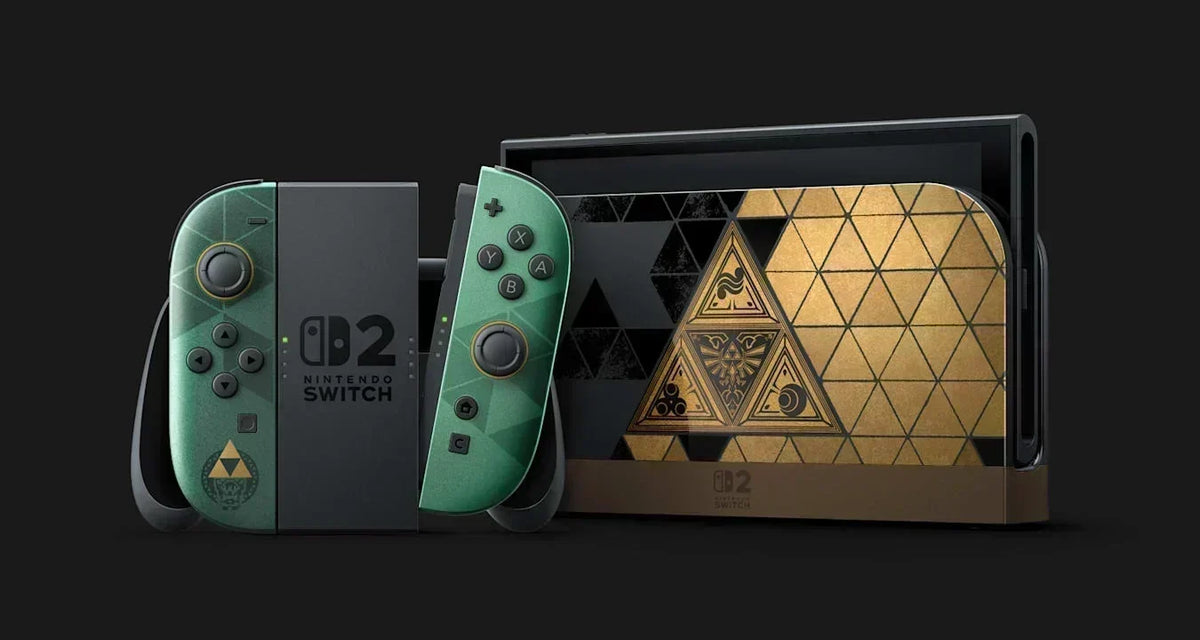
A custom console stand turned collectible, blending cinematic art with retro gaming culture.
Legacy for collectors
Studio Ghibli’s approach to storytelling and design continues to inspire the aesthetics of modern limited-edition consoles. Collectors who treasure these collaborations do so not for resale value but for what they represent: the union of emotion and engineering.
Share:
How the Dreamcast Became Japan’s Last Great Console
Rare SFC/SNES JRPG and RPG Imports