
When it comes to retro gaming, few franchises carry as much nostalgic weight as The Legend of Zelda.
While Western fans remember cartridges like A Link to the Past and Ocarina of Time, Japan quietly built an entire subculture of exclusive collectibles, limited-run figures, commemorative accessories, and even Japan-only consoles that have become coveted artifacts among Japanese retro gaming collectors today.
From the earliest days of the Famicom Disk System to modern Amiibo, Zelda merchandise has reflected both Japan’s craftsmanship and Nintendo’s knack for myth-making. Let’s explore some of the rarest finds that define Zelda’s legacy among collectors.
From Famicom to Fanfare: Early Japanese Zelda Collectibles
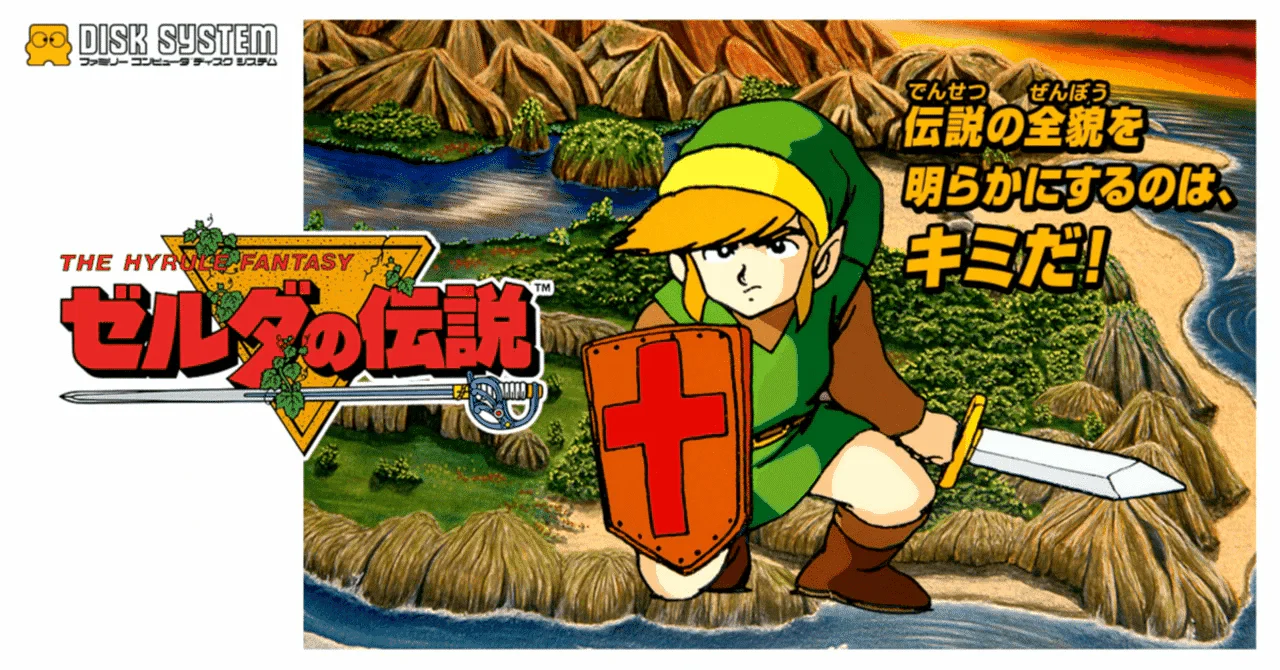
The earliest Zelda memorabilia appeared alongside the 1986 Famicom Disk System release. Nintendo promoted The Legend of Zelda with embossed gold pins, keychains, and a Disk System-branded cover art variant never sold abroad. These pieces now symbolize the dawn of Japanese retro consoles culture, where even packaging details became part of the collector’s chase.
Collectors prize these artifacts for their craftsmanship, from dense cardboard sleeves and metallic logos to inserts printed with handwritten developer notes. Finding them in mint condition (A-grade) condition is rare; discovering one brand new and sealed (S-grade) is almost mythic.
The Art of Limited Runs: Figures and Soundtracks
Throughout the 1990s, Japan produced a wave of finely detailed Zelda collectibles, including gashapon figures, crystal Triforce pendants, and orchestral CD soundtracks sold only through Tokyo game shops. One standout, the Ocarina of Time Premium Box Set, bundled a ceramic ocarina with a leather-bound score book.
These releases captured the crossover between retro collectibles and artisan craftsmanship. They weren’t just merch; they were design statements reflecting Japan’s respect for its gaming heritage. Many are showcased today in the Retro Collectibles Collection, the curated hub for rare accessories on RetroPixl.
Console Grails: Zelda-Branded Systems from Japan
Special-edition hardware transformed Zelda from a game into a lifestyle symbol. The Game Boy Light Triforce Edition, exclusive to Japan in 1998, featured a gold metallic shell and green backlight, a direct nod to Link’s Awakening DX. Decades later, the Nintendo 3DS LL Zelda Edition echoed that same aura of prestige.
For collectors of rare gaming consoles, these units embody the height of design rarity. RetroPixl regularly showcases such pieces within the Nintendo Collection and A-Grade Mint Condition Consoles pages, each authenticated and preserved to museum standards.

Nintendo Gameboy Adavance SP Zelda Limited Edition
Modern Icons: Amiibo and Collector Crossover
In the 2010s, Zelda Amiibo became the modern bridge between classic gaming systems and today’s fans. Japanese pre-orders often included extra variants with unique poses or metallic finishes that never left Asia. They connect nostalgia with modern tech, letting fans scan them on a Switch or display them beside a vintage game console.
For completionists, mixing these new items with older treasures creates a full-circle collection spanning decades. Articles like Sony PSP-3000 Limited Editions show how the hunt for detail connects generations of fans, whether they chase Amiibo shine or Famicom disks.

Modern figures that capture the same collector spirit as 1980s retro gaming Japan.
Legacy for Collectors
What unites these relics, from gold pins to Amiibo, is the shared language of design and nostalgia. Japan never treated Zelda as just a series; it treated it as art heritage. For RetroPixl readers, understanding these roots explains why the hunt for authentic Japanese retro collectibles remains so fascinating.
To see how Zelda’s legacy mirrors other limited hardware runs, check out Limited Edition N64 Pikachu Console and S-Grade Sealed Consoles, perfect examples of how Japan’s gaming aesthetic turned hardware into history.
Share:
Nintendo DS Japan-Only Editions
RetroPixl 2020 Year in Review