
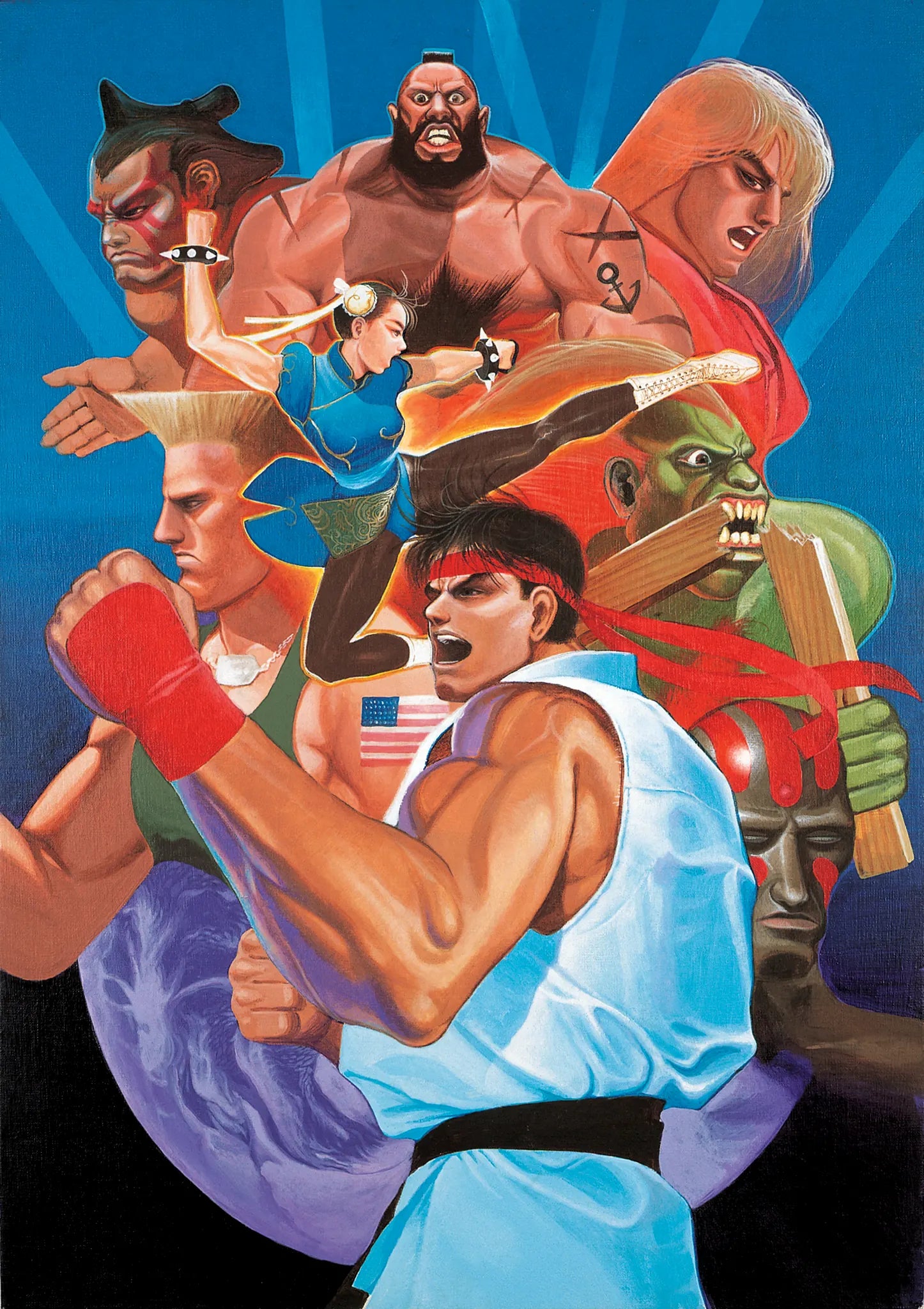
When it comes to gaming icons that transcend the screen, few franchises have matched the cultural impact of Street Fighter II.
In Japan, Capcom’s legendary fighting game didn’t just dominate arcades and living rooms in the 1990s—it spilled into the world of collectibles, giving rise to some of the most sought-after figures in retro gaming culture. These figures, often produced in limited runs, tell a parallel story of how video games became lifestyle icons for fans and collectors alike.
The origins of Street Fighter collectibles in Japan
By the early 1990s, the Street Fighter II craze was unstoppable. Japanese manufacturers saw an opportunity to translate the game’s larger-than-life characters into physical form. Companies like Banpresto, Bandai, and Kotobukiya rolled out small but detailed figures, gachapon toys, and prize-only collectibles that captured the roster of fighters from Ryu and Ken to Chun-Li and M. Bison. For many fans, these figures became the ultimate way to bring arcade heroes home.
Unlike mass-market toys in the West, Japanese figures leaned heavily into quality. Even the early capsule-sized gachapon figures had sharp sculpts, distinct facial details, and dynamic poses. For collectors, the appeal lay in both affordability and exclusivity: some could only be won from crane machines or bought during limited promotional campaigns.
Iconic figures that defined the era
One of the earliest standout sets was Banpresto’s Super Battle Collection, released in the mid-1990s. These articulated figures, standing about six inches tall, became a staple in collector circles. While Ryu and Ken were common, characters like Dhalsim or Cammy were released in much smaller numbers, instantly boosting their long-term rarity.
Gachapon toys also played a major role. Entire waves of miniature figures were sold through vending machines across Japan, often updated with new costumes, color variants, or alternate poses. For fans, completing a full set became an endless chase—especially when Capcom collaborated with Bandai to release limited seasonal or event-only editions.
Kotobukiya raised the stakes by producing highly detailed statues in the late 1990s and early 2000s. These statues targeted serious collectors, offering dynamic poses like Chun-Li mid-kick or Guile ready to unleash a Sonic Boom. Today, these statues rank among the most expensive Street Fighter II collectibles to surface at Japanese auctions.
The rarity factor: why collectors chase them
Not all Street Fighter II figures are created equal. Rarity is tied to distribution: prize-only figures from arcade crane machines or short-run promotions remain some of the hardest to track down. For instance, Chun-Li and Vega variants produced exclusively for Japanese arcades fetch hundreds of dollars today, even if they were originally inexpensive trinkets.
Condition also drives value. Brand new figures are coveted, but loose gachapon figures in pristine condition also command respect. Since many of these toys were cheaply made and heavily played with, finding a full clean set is a major score for serious collectors.
Street Fighter II figures as cultural artifacts
These collectibles are more than just toys—they’re cultural artifacts that mark the peak of arcade culture in Japan. They highlight how gaming shifted from being an entertainment medium to a lifestyle. Fans weren’t just playing Street Fighter II; they were displaying it proudly on shelves, wearing it on shirts, and integrating it into daily life.
The figures also symbolize Japan’s mastery in merging video games and merchandising. Capcom and its partners perfected the formula of keeping collectors hooked with waves of releases, while simultaneously making older figures scarce enough to fuel secondary markets for decades.

Collecting today: auctions, imports, and holy grails
In today’s retro market, Street Fighter II figures remain hot items. Japanese stores regularly see long lines of people trying to complete sets or rare variants. International collectors struggle to get their hands on these figures with prices varying from $20 for common gachapon to well over $500 for rare statues or boxed sets.
Holy grails in the Street Fighter II figure world include the Banpresto prize-only Chun-Li in alternate colors, certain Comic-Con Japan exclusives, and Kotobukiya’s first-edition statues. These remain nearly impossible to find outside Japan, cementing their status as cornerstone pieces for any retro gaming collection.
Why they matter for RetroPixl
At RetroPixl, we see Street Fighter II figures as a bridge between gaming and collecting. They embody the spirit of Japanese craftsmanship and the passion of fans who turned arcade icons into lifelong treasures. Whether you’re a nostalgic gamer who once fed coins into arcade cabinets or a modern collector chasing figures across auctions, Street Fighter II collectibles capture the enduring magic of retro gaming.
Share:
RetroPixl 2016 Year in Review
Why the Sega Saturn Thrived in Japan