
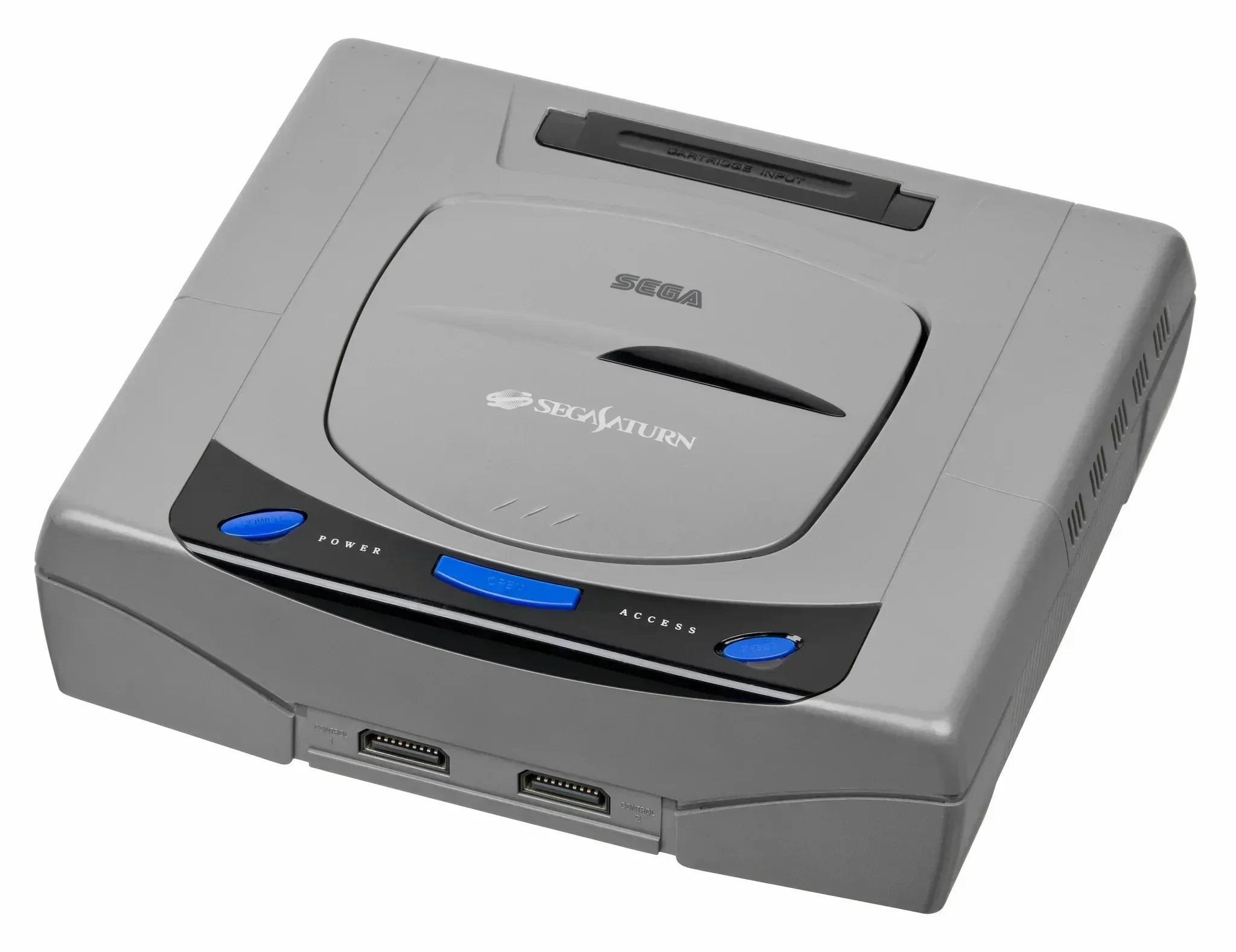
When people think of the mid-1990s console wars, the Sega Saturn often gets remembered as a commercial underdog in the West. But in Japan, the story was very different.
The Saturn thrived, carving out a strong identity in a crowded market. Understanding why this console resonated so deeply with Japanese gamers offers not only a history lesson but also insight into how culture, software, and market positioning can make or break a system.
A console made for Japanese tastes
While the PlayStation was marketed globally and the Nintendo 64 leaned heavily on 3D innovation, Sega positioned the Saturn as a machine for the Japanese gamer of the time. Its 2D sprite handling power made it a dream for arcade-perfect ports of fighting and shooting games—genres beloved in Japan’s game centers.
Titles like Virtua Fighter 2, Radiant Silvergun, and Sakura Taisen quickly became household names, defining the Saturn as the machine for arcade enthusiasts and RPG fans. Many of these releases stayed exclusive to Japan, giving the Saturn a unique identity that continues to fuel its collector value today.

Arcade-perfect power: the Saturn thrived in Japan and lives on in retro collections.
Marketing brilliance and cultural fit
One of Sega’s smartest moves was its Japanese marketing strategy. TV commercials featured the now-legendary character Segata Sanshiro, a martial artist urging players to “play Sega Saturn or else.” These campaigns became cultural phenomena, embedding the console into mainstream awareness. While North America struggled with messaging, Japan embraced the Saturn as part of its pop culture.
The console’s appeal also benefited from a strong network of Japanese developers who pushed the system’s capabilities. Companies like Atlus, Treasure, and Capcom leaned into the Saturn’s architecture, producing titles that remain cult classics.
 What collectors chase today
Collectors know the Saturn library is packed with imports that never made it overseas. Games like Policenauts, Grandia, and Shining Force III Scenario 2 & 3 are prime examples. These titles not only showcased the system’s capabilities but also cemented its reputation as a Japan-first console.
Even in today’s retro market, these exclusives command premium prices. Complete boxed copies brand new or in mint condition regularly trade on sites and have become centerpiece items in collections worldwide. For RetroPixl’s audience, the Saturn represents the thrill of tracking down rare imports that tell a story beyond gameplay.
The fighting game powerhouse
If there’s one genre that cemented the Saturn’s reputation in Japan, it was fighting games. The console’s architecture made it the ultimate home for 2D titles, delivering arcade-perfect ports that rivaled what players experienced in game centers. Virtua Fighter 2, Street Fighter Alpha 3, X-Men vs. Street Fighter, and King of Fighters ’97 all found a natural home on the Saturn. Its ability to handle fast-paced sprites, combined with the optional 4MB RAM cartridge, gave it an edge over rivals when it came to smooth animation and fluid gameplay. For fans of 2D fighters, the Saturn wasn’t just another console—it was the best way to bring the arcade home.

Why the West missed out
The Saturn’s Western struggles came from several missteps: a surprise early launch, poor third-party support, and an overemphasis on 3D at a time when the hardware shined brightest in 2D. While Japanese audiences welcomed Saturn’s arcade ports, Western gamers were already fixated on the polygonal revolution led by Sony and Nintendo.
This split explains why the Saturn thrives in Japanese collector circles but has a niche reputation abroad. For many collectors today, importing Saturn games is a way to experience a parallel gaming history that Western markets largely ignored.
The Saturn’s legacy today
In Japan, the Sega Saturn is celebrated not as a failed competitor but as a cultural touchstone. It represents the golden era of arcades, the rise of Japanese RPGs, and Sega’s most ambitious marketing campaigns.
For collectors and retro enthusiasts, the Saturn embodies the joy of discovery—finding titles that never crossed oceans, uncovering limited hardware variants, and appreciating a console that was never afraid to be uniquely Japanese.
At RetroPixl, we highlight these cultural differences because they’re what make collecting so rewarding. For fans exploring our Retro Gaming collection, or revisiting the Super Famicom Legacy from 2016, the Sega Saturn remains a shining example of how a console can succeed in one market and struggle in another, yet still leave behind a legacy that continues to grow in value and fascination.
Share:
Street Fighter II Figures from Japan
How Grading Changed Retro Collecting