
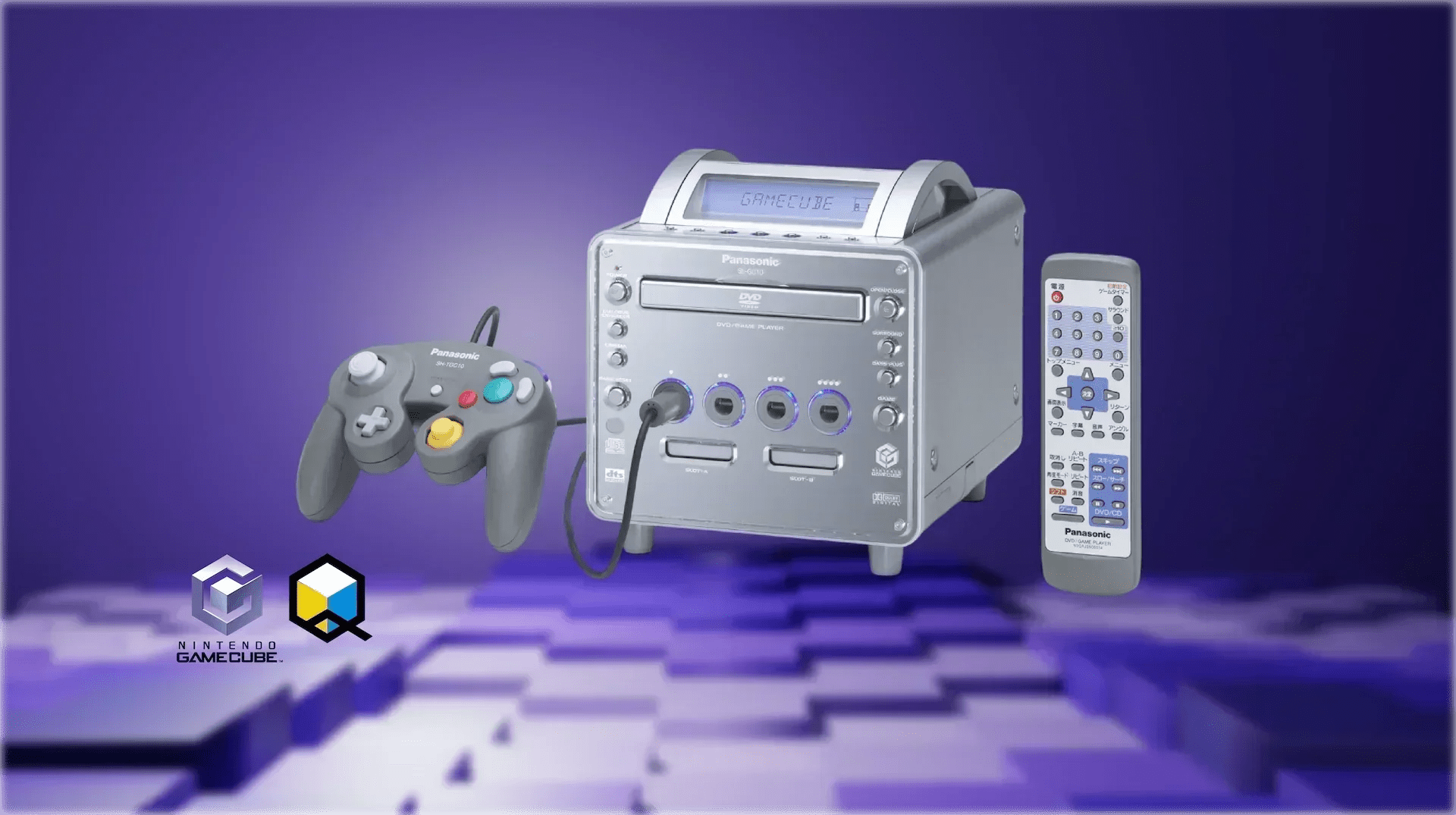
In 2019, few systems capture the imagination of retro gaming enthusiasts like the Panasonic Q.
This rare hybrid of DVD player and retro video game console was sold only in Japan, making it one of the most coveted Japanese retro consoles for serious collectors.

A bold experiment in design
Launched in late 2001, the Panasonic Q was the product of a collaboration between Nintendo and Panasonic. While the standard GameCube focused on compact design, the Q added DVD playback, premium audio features, and a sleek mirrored finish that made it look more like high-end home theater equipment than a gaming system.
For collectors, this experiment shows how Nintendo’s hardware lineage sometimes took unexpected detours. In 2019, the Panasonic Q remains a conversation starter in any serious classic gaming systems collection.
Exclusivity drives demand
The Panasonic Q was never released outside Japan, instantly marking it as a Japan-only console. Its higher price tag and niche appeal meant it sold in limited numbers even in its home market. Today, that scarcity is the heart of its value.
Finding one brand new and sealed (S-grade) is close to impossible, which is why collectors focus on securing mint, complete-in-box (A-grade) units. These condition grades not only affect price but also prestige—the difference between an accessory and a centerpiece in a collection.

Features that set it apart
Beyond its DVD playback, the Panasonic Q offered:
-
Premium stereo output
-
A glowing front panel with blue LED lighting
-
Stainless steel casing instead of plastic
-
A matching DVD remote control
These details elevated it from toy to tech statement, appealing to gamers who wanted their console to double as stylish living room gear. In 2019, these design choices feel futuristic even compared to other retro collectibles from the same era.
The collector’s market in 2019
Prices for the Panasonic Q vary depending on condition and accessories. A working unit without the remote might sell for several hundred dollars, while a complete set with box and manuals can climb into the thousands.
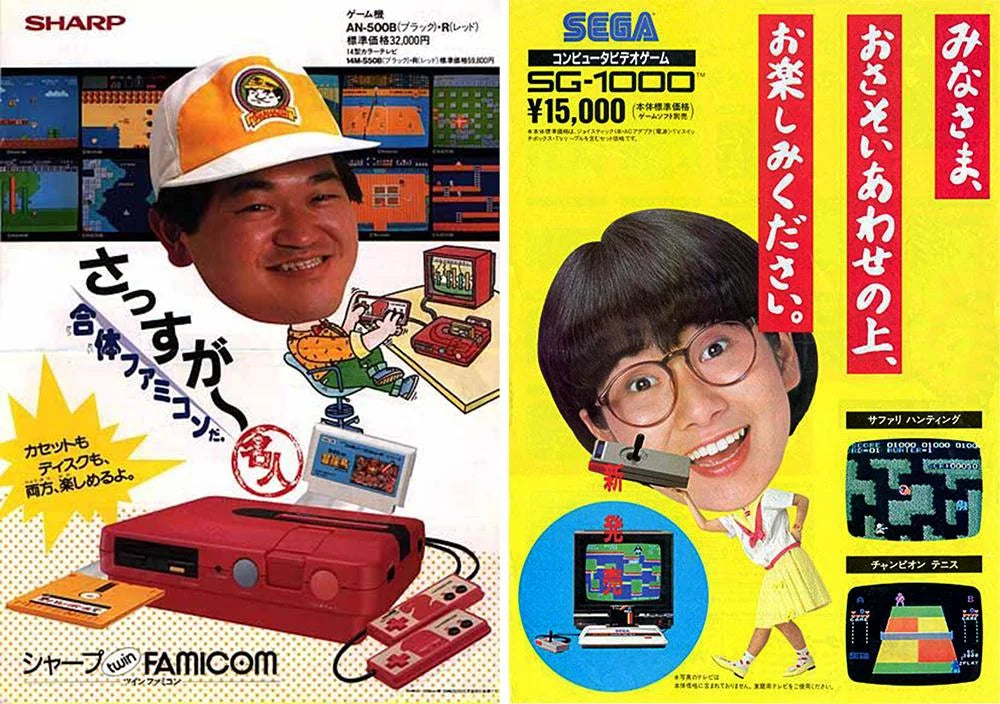
Collectors browsing a video game store often treat it as a crown jewel, displayed alongside systems like the Sharp Twin Famicom. For retro gaming consoles enthusiasts, the Q embodies both rarity and refinement.
Comparisons with other rare consoles
The Panasonic Q often gets compared to other Japanese exclusives like the Sharp Nintendo Twin Famicom or the Sega Dreamcast Divers 2000 CX-1. These systems share the trait of being hybrid or experimental devices that blurred categories.
However, the Q stands apart because of its dual functionality—combining DVD playback with GameCube compatibility. That crossover appeal explains why collectors rank it among the top collector retro gaming consoles of its era.
Cultural significance
The Q reflects a moment in Japanese gaming culture when companies experimented boldly with hardware. It was a console designed for living rooms, appealing to adults as much as children.
Even today, the polished steel and glowing front panel make it a centerpiece. Collectors describe it as one of the most photogenic Japanese vintage consoles, perfect for display in modern gaming rooms.
Legacy for collectors
The Panasonic Q GameCube represents more than a curiosity—it’s a milestone in the story of Japanese retro gaming. It symbolizes how exclusivity and design experimentation can transform a console into a collector’s dream.
For more insight into how rare hardware shapes collector value, revisit our post on the Region-Locked Consoles and Their Value, which explores how exclusivity drives demand across markets.
Share:
Region-Locked Consoles and Their Value
Anime & Gaming Crossovers in Figures