
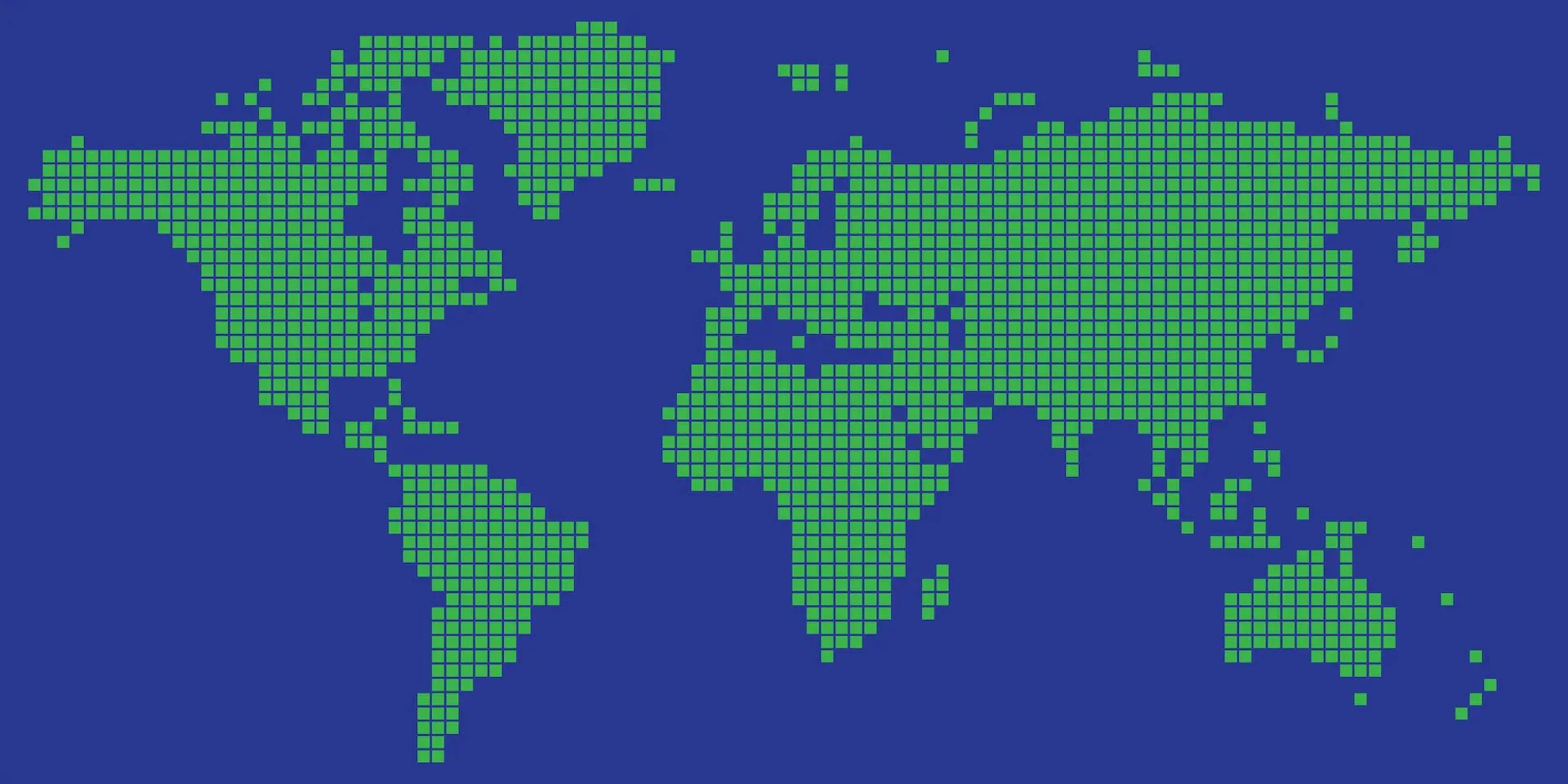
In 2019, region-locking remains one of the defining quirks of retro gaming.
By restricting consoles and games to specific markets, manufacturers shaped collector behavior in ways still felt today. For fans of retro video game consoles and Japanese retro consoles, region-locked hardware is more than an inconvenience: it’s a source of rarity, prestige, and collector value.
Why region-locking existed
Region-locking began as a way for companies to control distribution and pricing across global markets. Differences in television standards (NTSC-J vs PAL) and licensing agreements meant that hardware and software were often locked by geography.
For collectors, this decision transformed otherwise standard consoles into rare gaming consoles. Owning a Japanese version of a system often meant unique colors, accessories, or bundled games unavailable elsewhere, making them highly sought after in 2019.
Japanese exclusivity and collector prestige
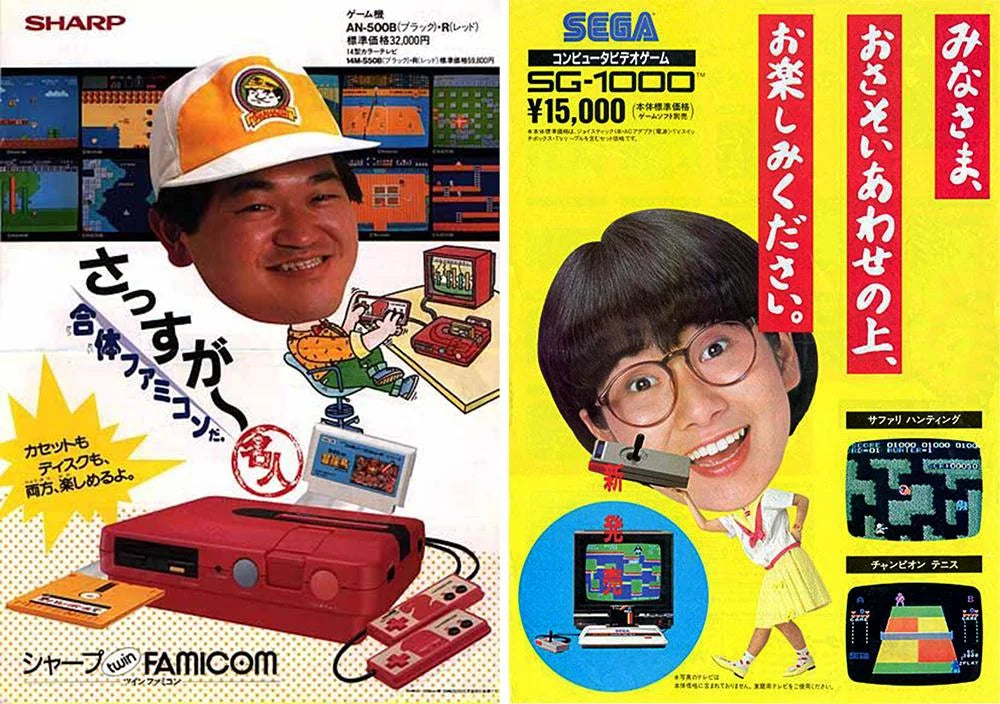
Collectors especially prize Japan-only consoles because they combine hardware rarity with exclusive game libraries. Systems like the Sharp Twin Famicom or the Panasonic Q illustrate how region-locking created a secondary tier of desirability.
Condition is everything: a unit that is brand new and sealed (S-grade) can fetch staggering prices, while even a mint, complete-in-box (A-grade) model earns serious attention. These distinctions are critical in a market where authenticity defines collector credibility.
The frustration that fueled demand
Ironically, what frustrated players decades ago is now driving value. Gamers who grew up reading about titles they couldn’t play without imports, like certain Dragon Quest or Fire Emblem entries, now see those consoles and games as trophies.
Region-locking forced creativity, fueling an underground culture of adapters and modification. In 2019, those workarounds themselves are becoming retro collectibles, adding yet another layer of nostalgia to the collector scene.
Market values in 2019
The value of region-locked consoles varies depending on scarcity, condition, and cultural significance. For instance, Japanese Super Famicoms remain more common, but limited editions tied to specific events or bundles rise in price quickly.
Collectors visiting a retro console store often notice how these models dominate display shelves, signaling prestige. For investors in nostalgic gaming consoles, region-locked systems offer a safer bet than mass-market variants because demand is tied to uniqueness rather than sheer numbers.
Beyond hardware: cultural impact
Region-locking didn’t just affect consoles: it shaped entire gaming cultures. Japanese gamers enjoyed franchises years before Western audiences, and those cultural gaps are preserved in the hardware itself.
Collectors see region-locked systems as artifacts that represent how gaming spread unevenly across the globe. A sealed retro console isn’t only a piece of plastic: it’s a physical reminder of an era when access to games was dictated by borders.
Legacy for collectors
Region-locked consoles remain essential for any serious collection. They embody the tension between global demand and local restrictions, transforming barriers into value. In 2019, they stand as reminders of how exclusivity shaped the DNA of classic gaming systems.
For more on how scarcity impacts demand, revisit our earlier article on Retro Game Prices Spike Worldwide, which highlights why collectors continue to chase the most limited editions.
Share:
The Rarest GameCube Controllers
The Panasonic Q GameCube