
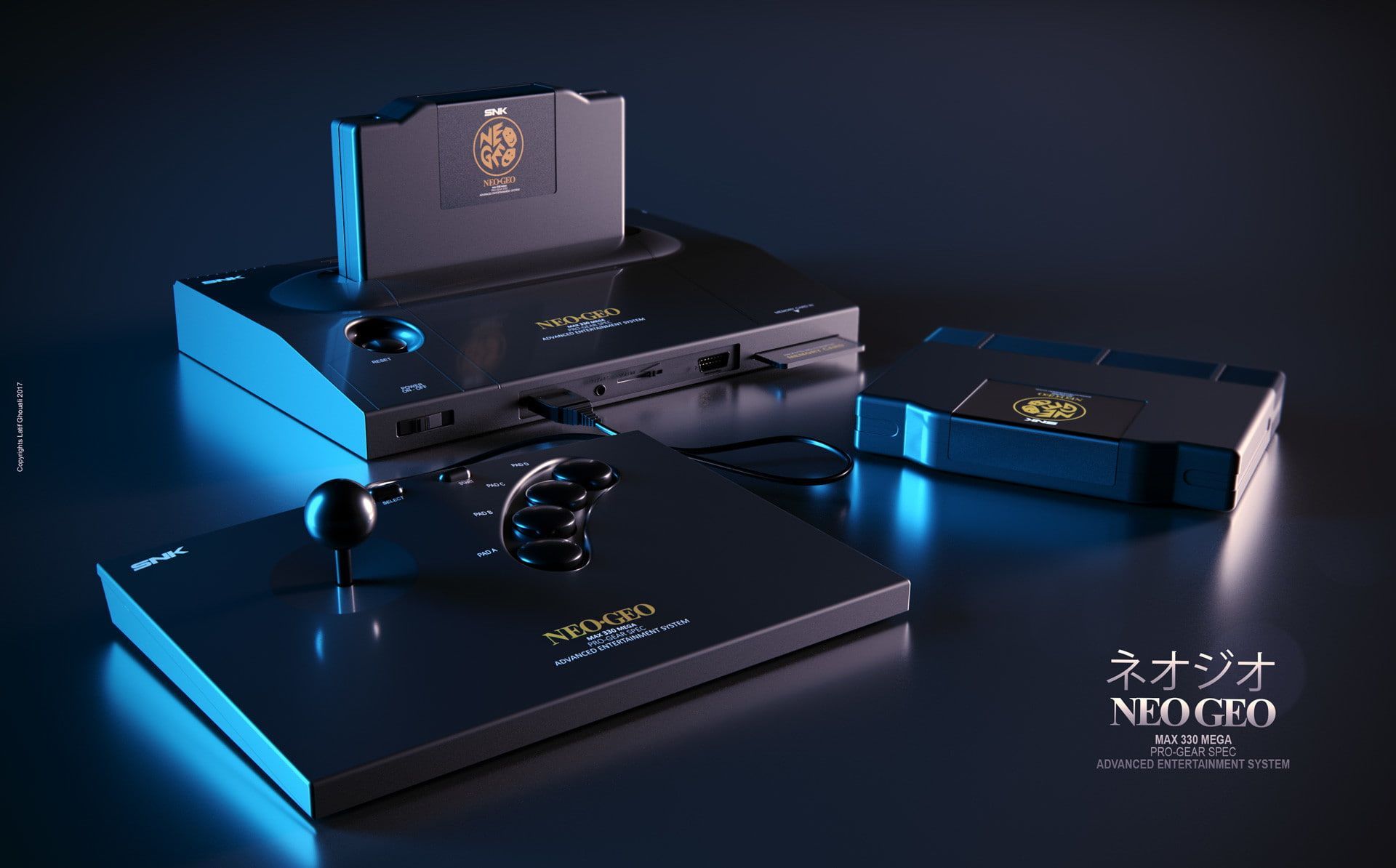
A console built for legends
When SNK launched the Neo Geo AES in 1990, it was marketed as “the arcade experience at home.” It offered the same hardware architecture as its MVS arcade counterpart, delivering a 1:1 translation of titles like Metal Slug, Samurai Shodown, and The King of Fighters. Priced at nearly ¥58,000 in Japan and bundled with a cartridge that cost as much as a new console from rivals, the AES was a luxury product from the start. That status still defines its collectibility three decades later.
The hardware that defined SNK excellence
The Neo Geo AES was a bold statement: pure arcade power with no compromise. Its cartridges were massive, its joysticks industrial, and its build quality exceptional. Even today, the system’s durability and distinctive design make it a centerpiece for collectors worldwide. In Japan, AES consoles remain in circulation in brand new and sealed (S-grade), mint (A-grade) or complete-in-box (B-grade) conditions, and units still show the care that defined their owners. Few retro consoles embody craftsmanship like this one.

SNK’s home arcade system set a benchmark for power and presentation in retro gaming
Limited editions and rare variants
The Japanese market saw a number of AES revisions and limited sets. The “Gold System” came with two joysticks and a copy of Magician Lord, while the “Silver System” was bundled with one controller and no game. Later runs introduced minor cosmetic changes to labels and logos, creating unexpected rarity for specific serial ranges. Collectors also seek regional differences between the Japanese (JAP) and international (US/EUR) versions, with Japanese boxes featuring softer illustration tones and katakana logos that many consider more refined.
Rarity through design and distribution
Unlike mass-market consoles, the AES had a target audience of arcade purists and affluent enthusiasts. Fewer than one million units were produced globally, and Japan accounted for most sales. Its high price ensured that many owners treated it as a showpiece, preserving their units in excellent condition. That scarcity — combined with a cult fanbase — turned the AES into a collector’s status symbol. Today, finding one with matching serial numbers between console and box is a serious achievement.

Collectors value complete sets with matching serial numbers and unfaded labels.
Packaging as art
Japanese retro collectors often describe the AES box as a work of art. The black-and-gold color scheme and minimal typography echo luxury electronics rather than toys. Even manuals were printed on thick, satin paper with silver accents. The system embodied what SNK stood for — craftsmanship, style, and durability — a design ethos that continues to influence modern hardware designers and collectors alike.

SNK’s premium and iconinc presentation helped cement the AES as a luxury collector item.
From arcade to living room
The AES represents a rare moment when an arcade company brought its full power home. Each cartridge was built on the same architecture as arcade boards, weighing heavily and housing multiple ROM chips. Playing a Neo Geo AES today isn’t just a trip back to the 1990s — it’s a reminder of how Japan’s hardware manufacturers once balanced engineering and artistry. That philosophy continues in modern collector culture, where original AES units anchor shelves alongside Super Famicoms and PC Engines from the Retro Gaming Collection and Home Systems lines.

SNK Neo Geo MVS Arcade Cabinets
Collectibility today
In the current market, the Neo Geo AES sits at the crossroads of rarity and aesthetic appeal. Unlike mass-produced retro systems, its low production and premium finish continue to draw serious collectors. Units with intact packaging, matching serials, and original controllers command the absolute top prices in retro gaming. Accessories like memory cards and AV cables are often sourced separately and featured alongside other high-end items in the Accessories and Collectors Collection sections. Units in the condition as the one below (S-grade) are extremelly hard to come buy

Cultural legacy
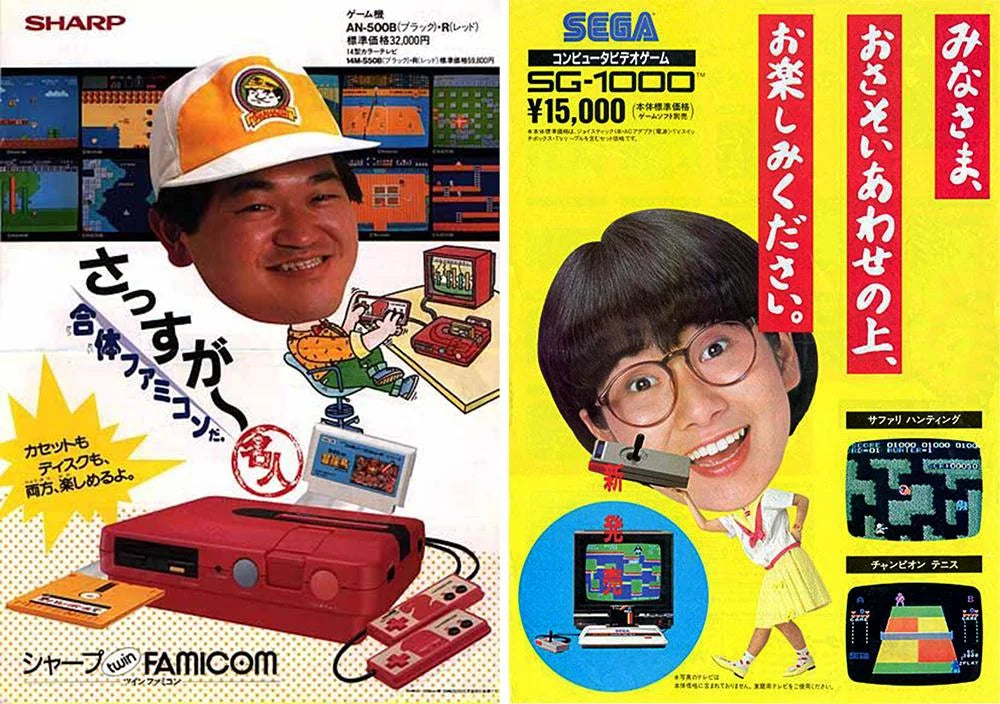
Beyond hardware, the AES helped define SNK’s identity and its relationship with fans. It set a precedent for Japanese design values that favored longevity over mass production. Collectors today see the AES as a symbol of Japan’s golden era of hardware innovation, standing alongside icons like the Sharp Twin Famicom and PC Engine Duo. This shared cultural heritage continues to shape what RetroPixl celebrates in its Collectibles and Retro Gaming Collection features.
Legacy for collectors
The Neo Geo AES remains a statement piece for any retro enthusiast. Its aura of luxury and craftsmanship has outlasted time and trend. Whether sought for its engineering, art design, or rarity, it symbolizes a moment when gaming was built to last. As RetroPixl continues to document and preserve this legacy, the AES stands as a reminder of how Japan once crafted consoles not just to be played, but to be admired.
To discover more hardware from the same era, visit the Retro Gaming Collection, the Collectors Collection for additional masterpieces that defined Japan’s arcade heritage.
Share:
Retro Game Scalping & Reseller Culture
Sega Saturn 3D Controller: The Accessory That Shaped Future Consoles