
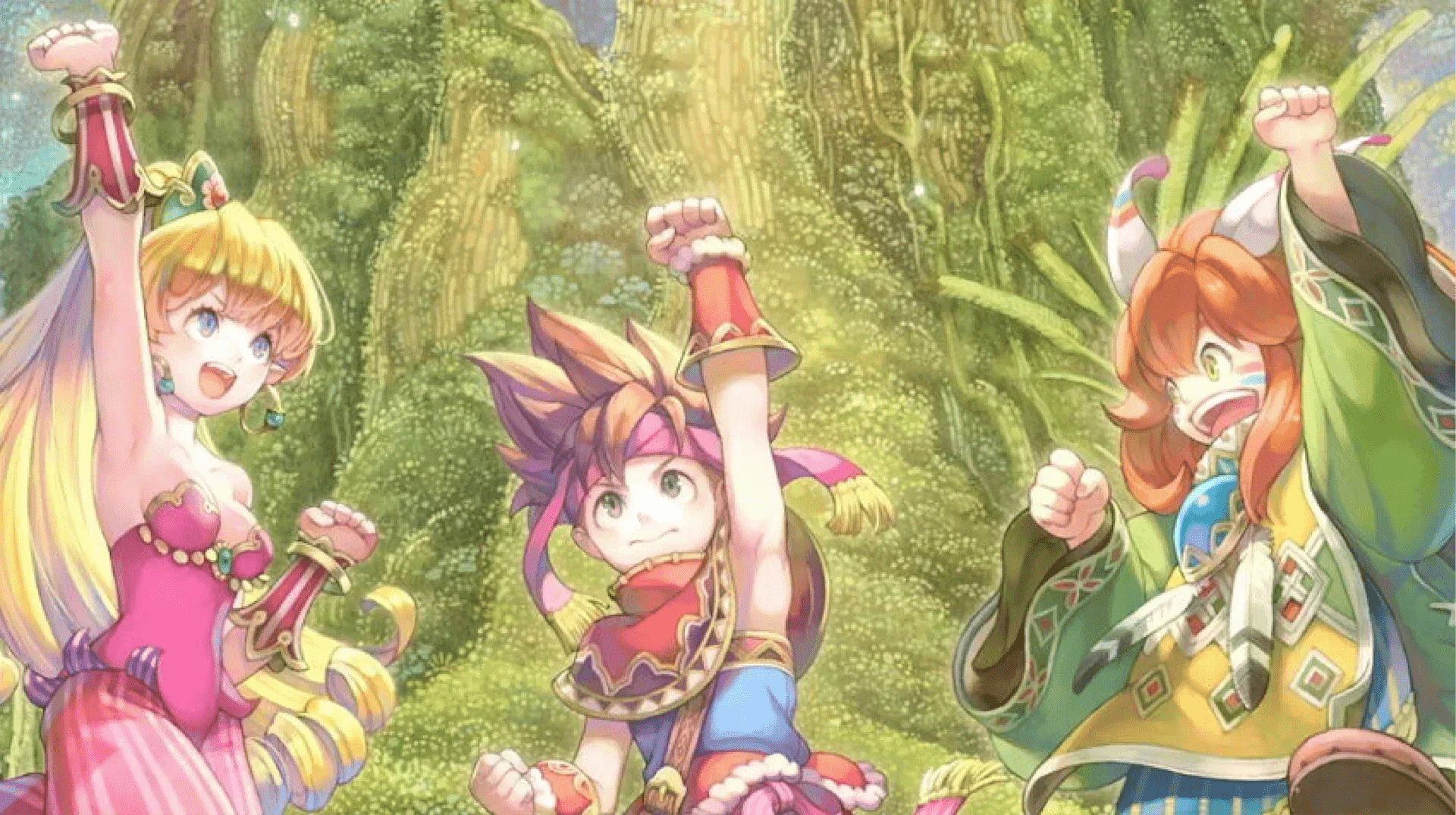
Retro JRPGs remain a cornerstone of retro gaming in 2019.
Their combination of storytelling, art style, and cultural influence makes them some of the most enduring retro video game consoles experiences. For collectors of Japanese retro consoles, JRPGs aren’t just nostalgic—they’re an investment in gaming history.
Storytelling that transcends eras
JRPGs stand apart because of their emphasis on narrative and character. While many classic Western titles leaned heavily on action or simulation, Japanese developers focused on emotional arcs, music, and journeys that felt cinematic long before games were called cinematic.
Franchises like Final Fantasy, Dragon Quest, and Chrono Trigger built their reputations on these elements, and their physical editions for classic gaming systems still command strong prices. Collectors consistently seek out cartridges or discs that are brand new and sealed (S-grade) or mint, complete-in-box (A-grade) to preserve this cultural legacy.
The collector’s pursuit of authenticity
Part of the demand for JRPGs lies in the experience of owning authentic copies. While digital re-releases exist, they lack the tactile connection of a box, manual, and cartridge. Authentic packaging represents both a cultural artifact and a piece of design history.
This is why collectors visit a retro store to hunt down pristine copies. A shrink-wrapped Final Fantasy VI for Super Famicom or a boxed Dragon Quest III isn’t just a game—it’s a link to a golden era of Japanese retro gaming.

Imports and exclusivity
Exclusivity drives demand. Many JRPGs released in Japan never reached Western shores or arrived years later in altered form. That makes Japan-only consoles and their corresponding game libraries especially valuable.
For example, titles like Mother 3 or Japan-exclusive Tales entries command attention today because they were never fully localized. Owning the original hardware and media is considered the ultimate statement.
It’s proof of commitment to authenticity, signaling a collector who values history over convenience. These exclusives are also status symbols, elevating collections and making them stand out in the world of Japanese retro gaming. More than just games, they represent a deep connection to cultural heritage and the artistry of an era when every release felt like an event. For many enthusiasts, displaying a rare JRPG on a shelf is as meaningful as playing it—an act of preserving gaming’s legacy for future generations.
Streaming culture and retro JRPGs
In 2019, Twitch and YouTube streaming are helping fuel the JRPG renaissance. Viewers watch gamers revisit Suikoden II or Final Fantasy Tactics, appreciating long-form storytelling that modern games sometimes skip.
This exposure increases demand for physical copies. A complete-in-box (A-grade) copy shown on a stream can inspire fans to start their own searches, reinforcing why nostalgic gaming consoles continue to matter in today’s culture.

The economics of rarity
Rarity plays a key role in determining value. While millions of cartridges were printed for hits like Dragon Quest V, far fewer pristine examples survive in high grade. Collectors prize sealed retro consoles and their games precisely because time has thinned the supply.
The same principle applies to spin-offs or lesser-known series. Lunar: Silver Star Story or Grandia might not match Final Fantasy in sales, but their limited production runs elevate their worth among collectors of retro collectibles.
Influence on modern gaming
Retro JRPGs also inspire modern titles. Series like Persona and Bravely Default borrow heavily from the aesthetics and mechanics of 1990s classics. This feedback loop—new games emulating old ones—keeps retro JRPGs relevant for new generations of gamers.
For players in 2019, this means hunting down original copies feels more vital than ever. They’re not just historical curiosities—they’re blueprints for modern design.

Legacy for collectors
Retro JRPGs hold a special place in the DNA of rare gaming consoles. Their stories remain timeless, their packaging iconic, and their scarcity undeniable. Collectors continue to chase Japanese vintage consoles and their JRPG libraries as both trophies and testaments to how storytelling made games legendary.
For deeper insight into how rarity shapes demand, revisit our post on the Retro Game Prices Spike Worldwide, which examines how markets shift around the most sought-after titles.
Share:
RetroPixl 2018 Year in Review
The Rarest GameCube Controllers