
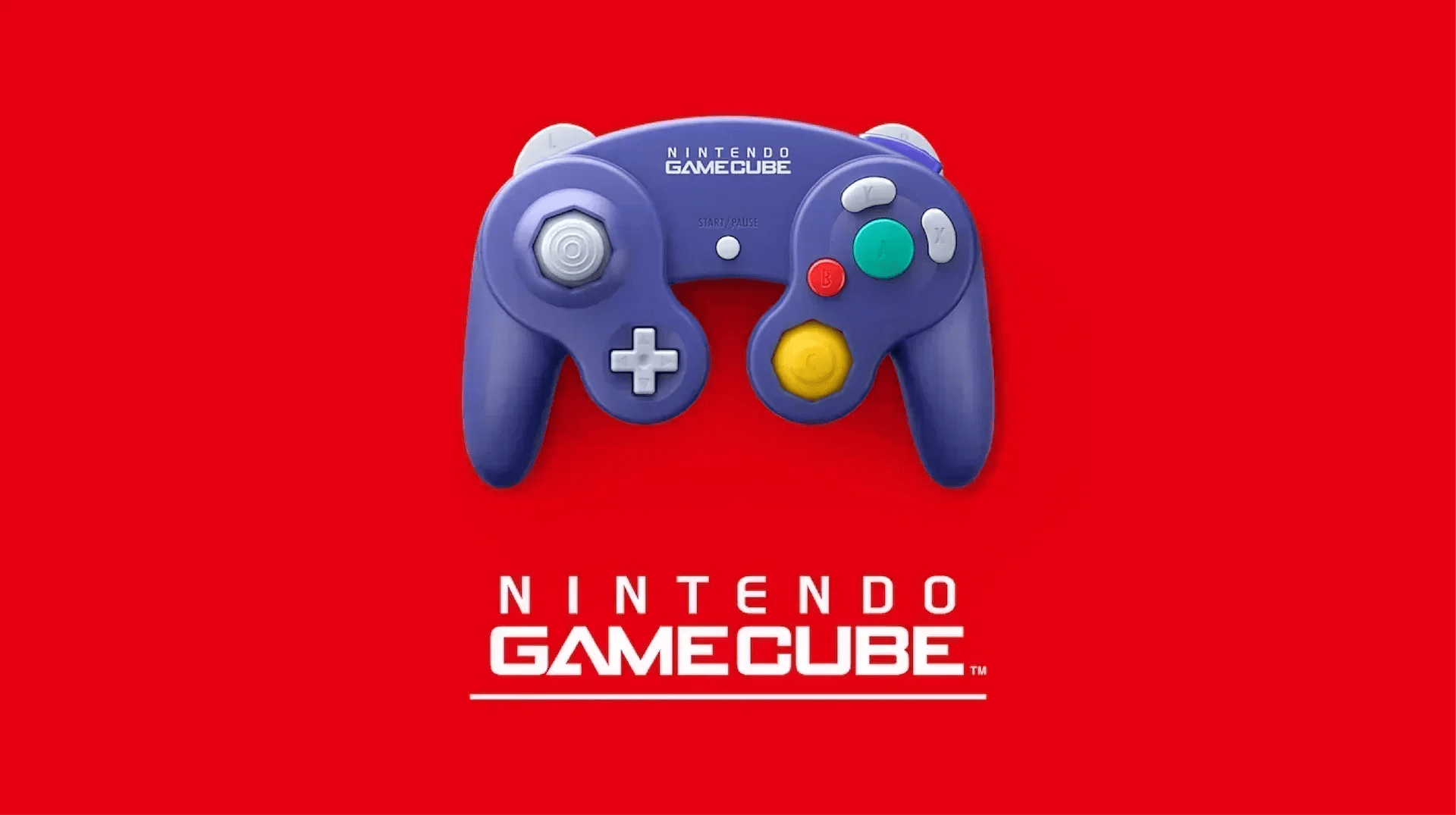
In 2019, few accessories capture the spirit of retro gaming like the GameCube controller.
Beloved for its quirky button layout and enduring design, it remains an icon of retro video game consoles history. Among collectors of Japanese retro consoles, the rarest editions have become true treasures, commanding attention at auctions and in curated displays.
 Why the GameCube controller is legendary
Released in 2001 alongside the GameCube, this controller has outlasted its console in popularity. Its ergonomic design and recognizable button colors make it instantly nostalgic, especially for Super Smash Bros. fans who still prefer it today. That long-lasting appeal drives collector demand in 2019.
The hunt is not for just any controller—it’s for the rarest models that elevate a collection. From color variants to limited promotional editions, these accessories blur the line between functional gear and retro collectibles.
Each unique edition tells its own story, reflecting Nintendo’s willingness to experiment and reward its most loyal fans. For collectors, owning these rarities is about more than playability—it’s about capturing a slice of gaming culture that feels both personal and historic.
Japan-exclusive designs
Some of the rarest GameCube controllers were released only in Japan. The Club Nintendo WaveBird in silver, the Panasonic Q edition controller, and certain translucent colorways never saw an international release. For collectors of Japan-only consoles, owning these accessories is as essential as owning the hardware itself.

Finding one brand new and sealed (S-grade) is almost impossible in 2019, which is why many enthusiasts settle for mint, complete-in-box (A-grade) copies. These condition grades make all the difference in value, often doubling or tripling prices.
Promotional and limited runs
Nintendo often tied controllers to events, games, or stores. The Starlight Gold edition, distributed through a limited campaign, and the Smash Bros. 2002 edition stand out as holy grails.
These accessories reflect a time when hardware makers weren’t afraid to experiment with designs. For today’s collectors browsing a video game store, stumbling across one of these limited runs feels like striking gold.
The role of functionality
Unlike purely decorative collectibles, GameCube controllers remain functional. Many players still use them for Super Smash Bros. Melee or Ultimate on modern systems. That dual identity—both playable and collectible—ensures demand stays strong.
Collectors prize controllers in sealed retro consoles condition not only for value but also for the thrill of knowing they hold a piece of history still ready for action.
Market trends in 2019
Prices for rare controllers have steadily risen, especially for Japanese imports. A boxed Club Nintendo WaveBird can fetch several hundred dollars, while more common color variants remain affordable. This spectrum makes GameCube controllers attractive to both casual fans and serious collectors.
The key is authenticity. Counterfeit versions occasionally surface, so packaging details and condition verification are essential. Serious collectors of nostalgic gaming consoles often invest in graded examples for peace of mind.
Cultural impact beyond the GameCube
The GameCube controller’s influence extends far beyond its console. It remains the standard for competitive Smash Bros. tournaments, making it the rare accessory that transcends nostalgia into present-day gaming culture.
This crossover appeal reinforces why collectors value it so highly. Owning a rare controller is more than a badge of dedication to retro—it’s proof of being part of a living legacy of authentic retro gaming.
Legacy for collectors
Rare GameCube controllers symbolize the enduring bond between accessories and classic gaming systems. They represent an accessory elevated to icon status, blurring the line between utility and collectible.
For more on how market demand shapes collector behavior, check out our earlier article on Retro Game Prices Spike Worldwide, which explains why scarcity fuels desire across consoles and accessories alike.
Share:
Why Retro JRPGs Are Still in Demand
Region-Locked Consoles and Their Value