
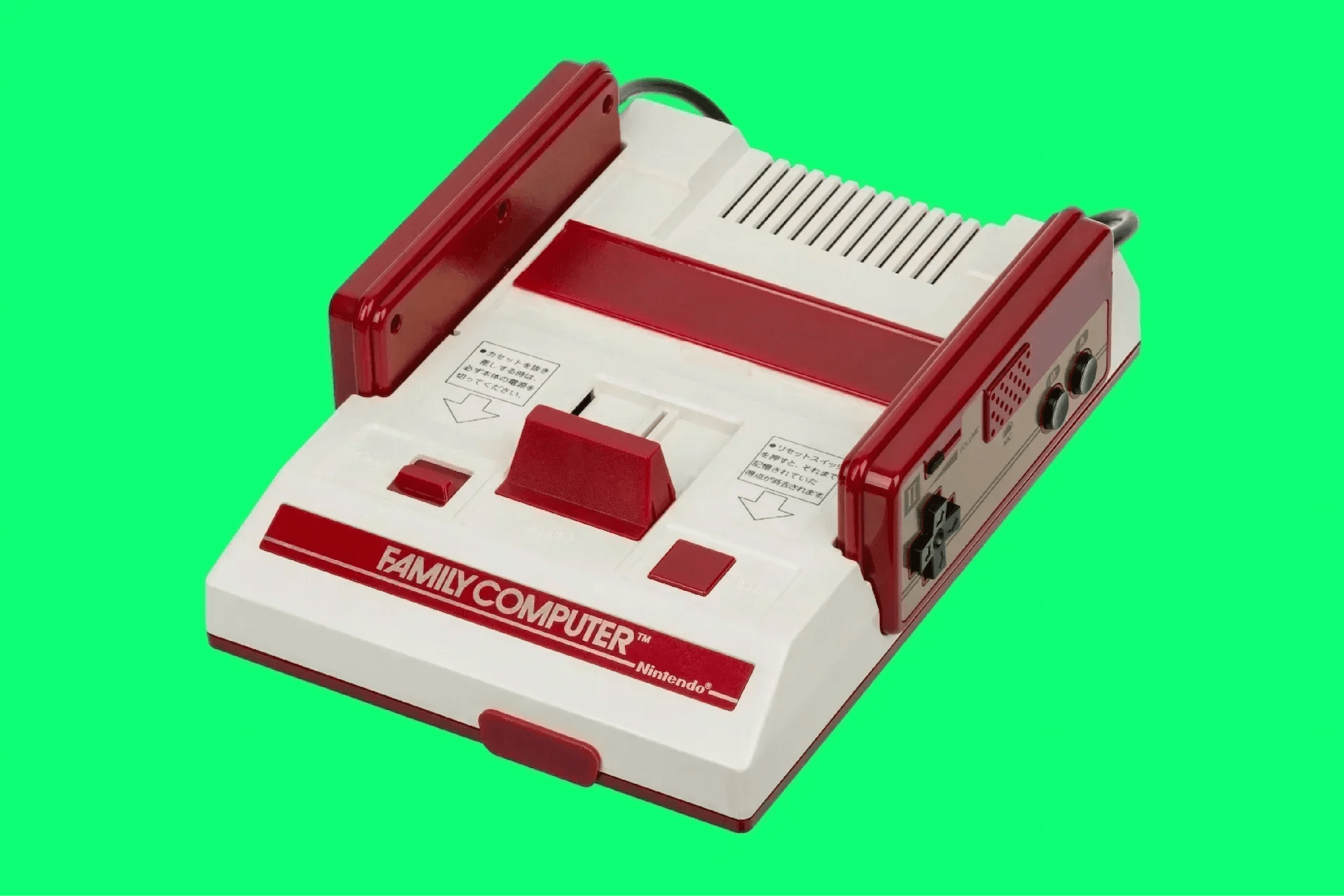
Long before the Switch and the Wii, the Famicom laid the foundation for everything we love about retro gaming: Innovation, color, and pure fun.
In Japan, few objects capture the magic of Japanese retro consoles like the red-and-white Family Computer, better known as the Famicom. Launched in 1983, it transformed Nintendo from a toy company into a global gaming icon. Nearly four decades later, the Famicom still defines what collectors, fans, and designers think of when they hear “Nintendo.”
The Console That Started It All
When Nintendo released the Famicom in Japan, the idea of a home console market was still fragile. Atari was collapsing in the West, and Japan’s gaming culture was only beginning to form. But the Famicom changed everything. It brought arcade-quality titles into the living room, with ports of Donkey Kong, Popeye, and Mario Bros. that felt nearly identical to their coin-op counterparts.
Its sleek red, gold, and white design wasn’t just functional — it symbolized Japanese minimalism meeting playful creativity. The Famicom’s controllers, hard-wired directly into the console, introduced the now-legendary D-pad, forever changing how we play.
 The original Famicom — a true icon of classic gaming systems, blending style and simplicity like no console before it.
A Japanese Icon in Every Home
By 1985, the Famicom had found its way into nearly every Japanese household. Children grew up sharing cartridges with friends, parents joined in for family sessions of Dr. Mario and Yoshi no Tamago, and gaming became a mainstream cultural pastime.
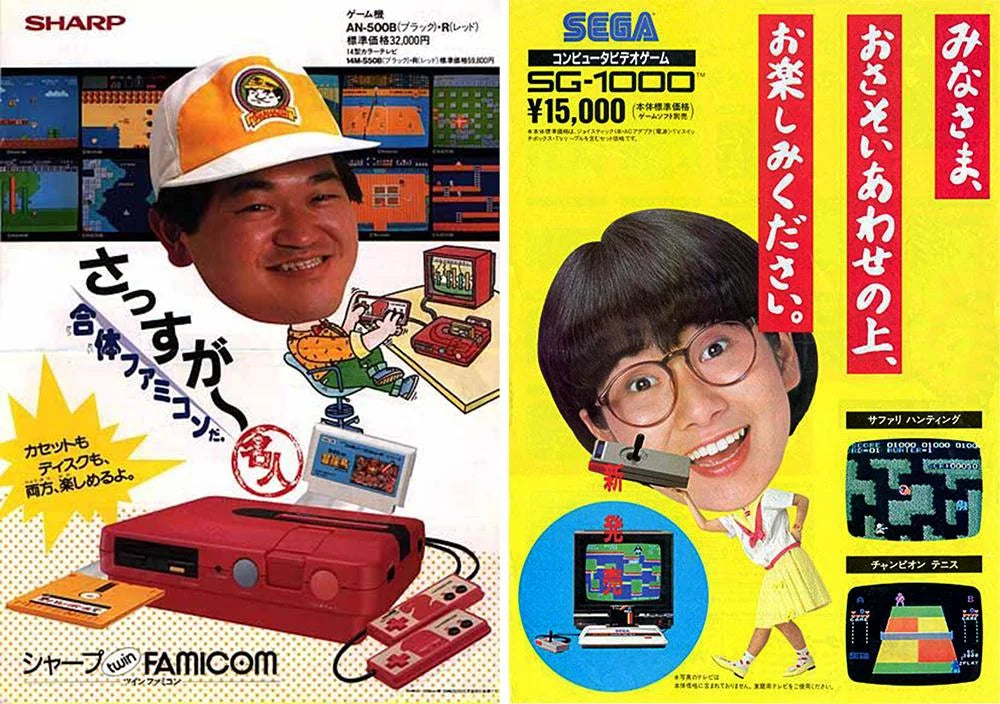
TV commercials celebrated the console as part of daily life, showing the joy of shared play — something that still defines Nintendo’s philosophy today. More than a console, the Famicom was a nostalgic gaming console that united generations long before the concept of “family gaming” was a marketing term. Its success inspired competitors like Sega to innovate, but none matched Nintendo’s balance of charm, accessibility, and cultural resonance.
In 1980s Japan, Famicom commercials turned family play into a national phenomenon.
The Design That Defined Nintendo
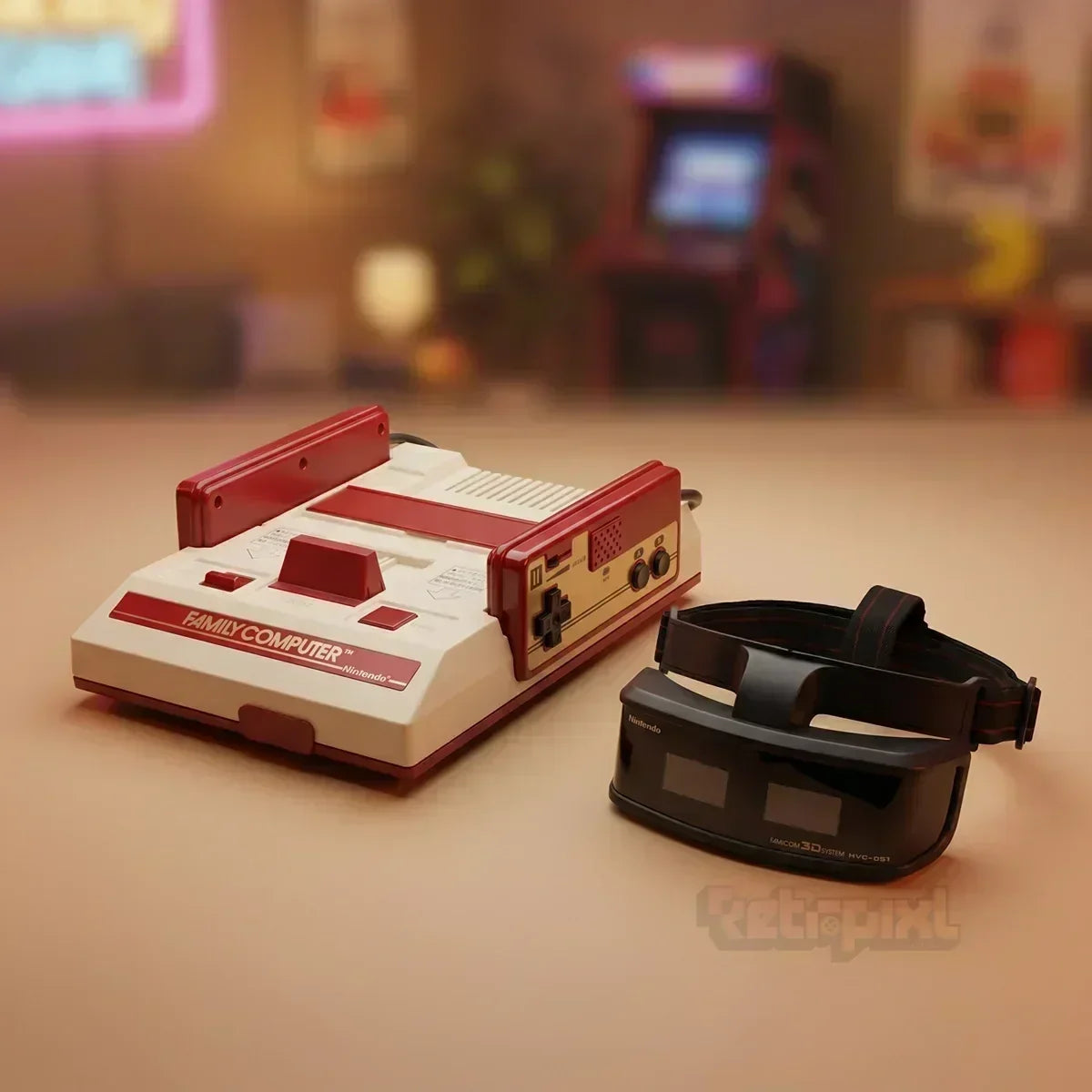
From a technical perspective, the Famicom’s architecture was groundbreaking. It supported expansion modules, accessories, and disk systems long before “modularity” became a buzzword. The optional Famicom Disk System, released in 1986, allowed gamers to save progress — a small revolution that paved the way for modern save systems.
Even its quirks became part of its legend: the cartridge dust flick, the colorful eject lever, the front-loaded ports. Every detail contributed to what collectors now cherish as the tactile essence of vintage game consoles.
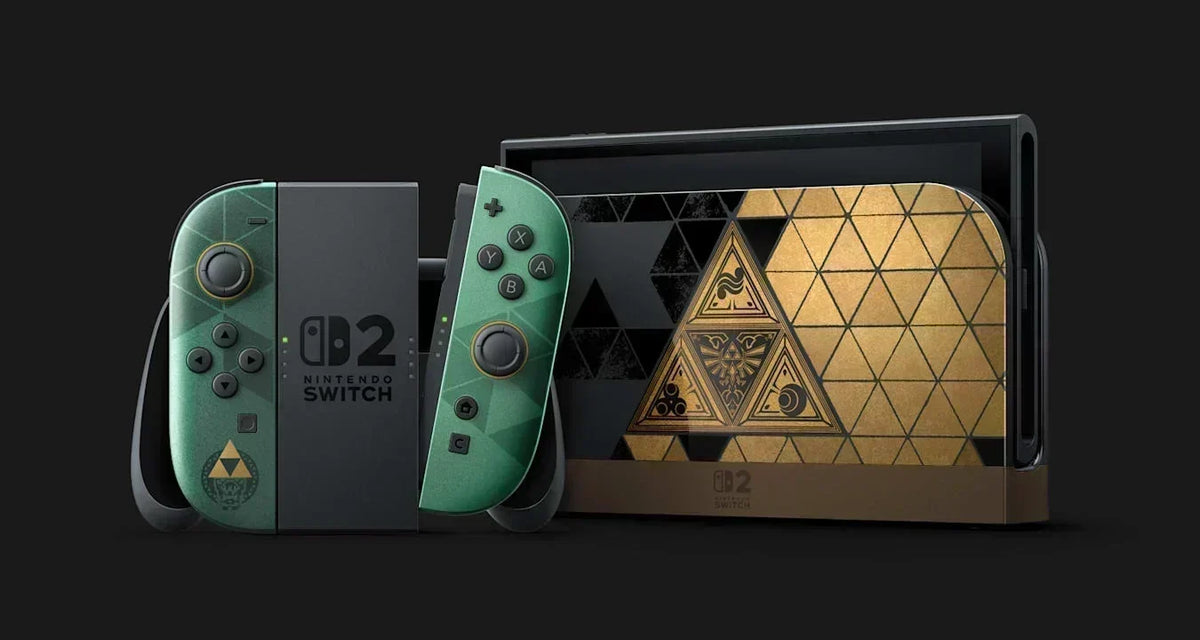
Many of Nintendo’s later products, including the Super Famicom, Game Boy, and even the Switch, borrowed cues from this original DNA: bold color accents, user-friendly design, and intuitive interfaces that put fun first. Accessories like the Disk System expanded the retro console collectibles ecosystem and cemented the Famicom’s status as Nintendo’s creative playground.
Collectibility: S-Grade vs A-Grade Famicom Units
For collectors, the Famicom represents the holy trinity of value: cultural significance, aesthetic beauty, and historical innovation. But as with all retro gaming collectibles, condition determines everything.
A brand new and sealed (S-grade) Famicom — untouched since the 1980s — is nearly impossible to find today. These pristine units can command thousands of dollars, often displayed behind glass as centerpiece items.
A-grade mint condition consoles, while slightly more common, still retain vivid colors, untarnished ports, and clean controller cables — a must-have for serious collectors who want authenticity without the astronomical price tag.
B-grade complete-in-box units, still in excellent condition, remain accessible entry points for new enthusiasts looking to experience Nintendo’s beginnings firsthand.
Legacy for Collectors: Why the Famicom Still Matters
The Famicom isn’t just a piece of nostalgia — it’s Nintendo’s blueprint for timeless gaming. Its simple yet elegant design, universal appeal, and pioneering hardware shaped the entire retro video game console market that followed. Today, owning a Famicom means holding a piece of cultural history. Whether displayed in a collection or connected to a CRT for weekend sessions of Excitebike or The Legend of Zelda, it remains one of the most meaningful rare gaming collectibles ever made.
Share:
Rare PS2 Network Adapters
Nintendo DS Japan-Only Editions