
The revolutionary rise of a Japanese retro gaming legend
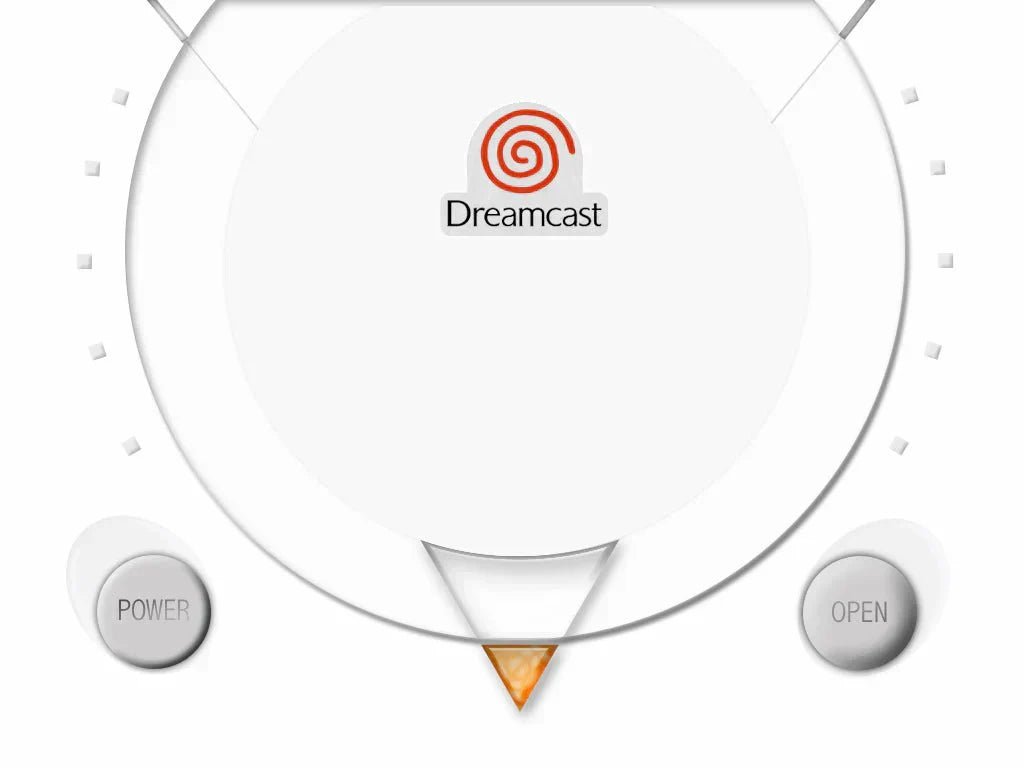
When the Sega Dreamcast launched in Japan in late 1998, it was more than another console release. It was Sega’s final bid to define the future of retro video game consoles before the millennium turned. Today, collectors see it as the last great Japanese console, a machine that fused daring design with visionary hardware and left a legacy still celebrated in retro gaming Japan communities worldwide.
The moment Sega pushed boundaries
The Dreamcast’s arrival signaled innovation at its boldest. Sega’s engineers created a compact, powerful system that introduced online play years before broadband was common. Its built-in modem, sleek curves, and translucent accessories made it an instant icon in Japan’s competitive gaming market.

Yet the Dreamcast’s magic was not just technical. Sega designed it for players, not merely for profits. Its vibrant start-up sound, modular retro accessories, and VMU (Visual Memory Unit) that served as both memory card and mini-handheld gave it a charm collectors still call unmatched.
Japan’s console culture at a crossroads
By 1999, Japan’s gaming scene was shifting. Sony’s PlayStation 2 loomed on the horizon, and the once-unstoppable Sega brand was fighting for survival. The Dreamcast, however, resonated with enthusiasts seeking creativity over corporate polish. Games like Jet Set Radio, Shenmue, and Phantasy Star Online were not just fun. They were cultural artifacts that captured Japan’s imagination.

The VMU turned saving progress into play itself, one reason retro handhelds collectors adore the Dreamcast ecosystem.
Collectors today often view these titles through the lens of artistry. The Dreamcast became the bridge between analog and digital gaming, a perfect candidate for modern retro console stores and exhibitions that showcase Japan’s golden age of hardware design.
A hardware masterpiece for the ages
Inside, the Dreamcast boasted the Hitachi SH-4 CPU and PowerVR2 GPU, enabling visuals ahead of its time. From a hardware standpoint, it was Sega’s most elegant engineering feat, minimalist, modular, and designed with collectors in mind. Japanese limited-edition models, from the Hello Kitty Pink to the R7 Rental Unit, have since become icons of rare gaming consoles and Japan-only consoles alike.
For enthusiasts hunting mint condition consoles or sealed retro consoles, the Dreamcast stands as a holy grail. Each color variant tells a micro-story of late-90s optimism and Sega’s fearless experimentation.
Collectibility and condition today
Fast-forward to 2022, and the Dreamcast’s reputation has only grown. Collectors pay premium prices for A-grade mint condition units and even higher for S-grade brand-new sealed consoles. The Japanese collector community prizes complete-in-box sets, original VMUs, and matching peripherals, all symbols of a time when hardware still told stories.
Authenticity matters. RetroPixl emphasizes that every retro gaming console it curates is complete-in-box, honoring the original craftsmanship while promoting preservation over speculation. Whether it is the basic white model or a translucent exclusive, every Dreamcast carries history in its plastic shell.

One of the rarest Dreamcasts, the Mazora Collector version, only released in Japan.
Design philosophy that inspired a generation
The Dreamcast’s minimalist swirl logo and compact form influenced decades of classic gaming systems that followed. Even today, designers reference its simplicity as the embodiment of late-90s Japanese aesthetics. Unlike the bulkier competitors of its era, it was approachable, friendly, and visually timeless.
Its controller, often debated, was ergonomically experimental and inspired the modular creativity later seen in modern console accessories. For collectors, it remains a tactile reminder that gaming once felt physical, not digital.
The cultural echo of the Dreamcast
Across Japan’s collector markets, the Dreamcast’s aura endures. It is not just nostalgia; it is cultural identity. Owning one connects enthusiasts to a pivotal moment in authentic retro gaming, when imagination mattered more than specs.
Museums in Akihabara display its limited runs, and collectors from Tokyo to Osaka still debate which edition reigns supreme. For global enthusiasts exploring the Collectors Collection, it remains the touchstone of Sega’s creative peak.
Legacy for collectors
More than two decades later, the Dreamcast’s story is still being written by the fans who cherish it. It represents courage, the refusal to play it safe, and that is what makes it Japan’s last truly great console. Every swirl logo, translucent shell, and soft power-button click reminds us that innovation and heart can coexist.
Share:
The Forgotten Charm of Japanese Controller Design
Studio Ghibli Gaming Collectibles