
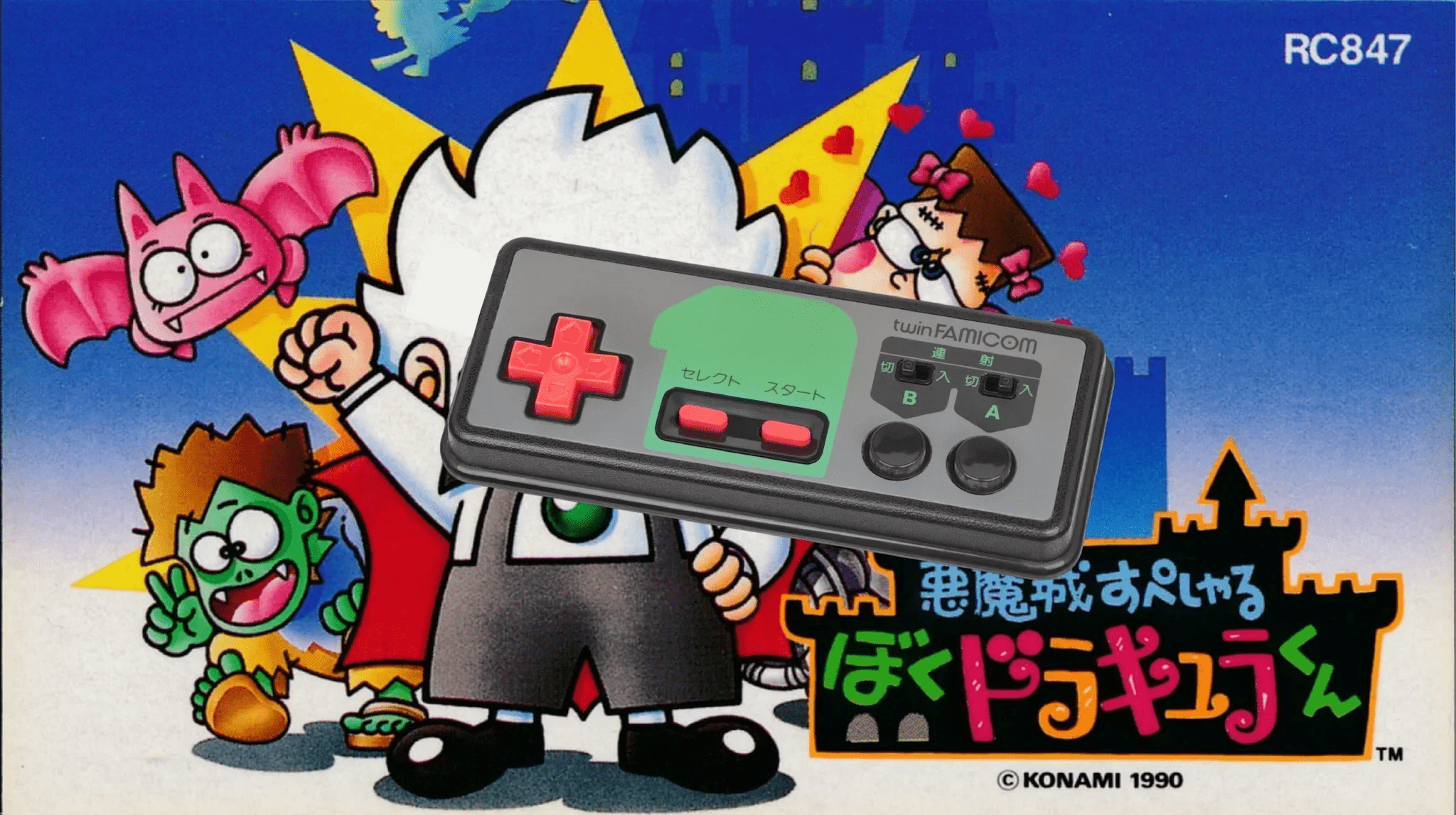
When controllers became cultural symbols
In Japan, controllers were never just tools for play. They were symbols of how design could shape experience. Each curve, button, and texture was created with intention. From the squared edges of the Famicom pad to the dual grips of the PlayStation controller, Japanese engineers redefined comfort while embedding cultural identity into form. For enthusiasts of Accessories, these designs represent a perfect balance between art and engineering.
The birth of ergonomic innovation
Japanese developers understood that the tactile feel of a controller determined immersion. Nintendo’s shift from rectangular shapes to rounded contours with the Super Famicom marked a revolution. The Sega Saturn’s six-button layout optimized arcade precision at home, while Sony’s DualShock introduced vibration feedback that made play more sensory. Collectors of Retro Gaming systems often describe these innovations as milestones of design intelligence.

The Nintendo Super Famicom Japanese controller remains one of the most iconic of its generation.
The evolution of materials and texture
Beyond shape, Japanese controllers reflected material innovation. Smooth plastics gave way to matte finishes that reduced sweat and improved grip. Buttons were tuned for soft feedback, creating a distinct mechanical rhythm. Designers even adjusted color palettes to complement console aesthetics. This attention to detail made accessories part of the visual harmony seen across Home Systems and handheld designs.

Aesthetic consistency across generations
One of Japan’s strengths has always been visual continuity. The red-and-white simplicity of the Famicom carried into the elegance of later Nintendo systems, while Sony and Sega refined their signature industrial lines. Each generation built upon the last, never discarding heritage. Collectors who display controllers beside their consoles see more than hardware. They see a timeline of evolving creativity. The Timeless Appeal of the Sega Saturn in Japan is a perfect example of how form and function merged seamlessly.
The collector’s pursuit
Collectors now treat Japanese controllers as standalone artifacts. From boxed DualShocks to rare Hori Mini Pads, condition and originality matter more than ever. Some pursue full color sets, while others focus on rare prototypes. The Collectors community values these accessories not only for nostalgia but for their design integrity. Each pad feels like a preserved piece of history.
Influence on modern design
Today’s controllers still carry traces of Japanese DNA. Features like motion sensing, adaptive triggers, and symmetrical layouts all trace back to ideas born in Tokyo and Kyoto. Even modern brands study these principles to balance ergonomics and emotion. The language of Japanese controller design continues to guide how we connect with games, physically and emotionally.
Final reflection
The charm of Japanese controller design lies in its humanity. It captures how thoughtful engineering and artistic vision can merge into everyday objects that feel alive. For collectors, each controller is more than an accessory. It is a symbol of precision, personality, and the enduring craftsmanship that defines Japan’s gaming heritage.
Share:
Why Japanese Console Colors Became Cultural Icons
How the Dreamcast Became Japan’s Last Great Console