

Reading the signals of a maturing market
Retro gaming enters 2026 with a noticeably different rhythm. After years defined by dramatic price spikes and correction cycles, the market now reflects something more nuanced. Collectors observe stabilization across many categories, yet pockets of renewed acceleration continue to emerge, especially around pristine Japanese consoles and culturally significant limited edition releases.
Pricing stability replaces volatility
Broad volatility softens. Instead of speculative surges, values increasingly align with condition, rarity, and completeness. Consoles with original packaging, inserts, and documentation maintain resilience. This shift signals a healthier ecosystem where long-term preservation carries more weight than short-term flipping behavior.
Condition becomes the primary driver
Collectors prioritize grading standards and physical integrity. S-grade sealed units remain aspirational benchmarks, while A-grade examples define practical desirability. Even B-grade complete-in-box pieces retain strong appeal when authenticity and presentation remain intact. The hierarchy reflects discipline rather than hype.
Japanese consoles continue to anchor demand

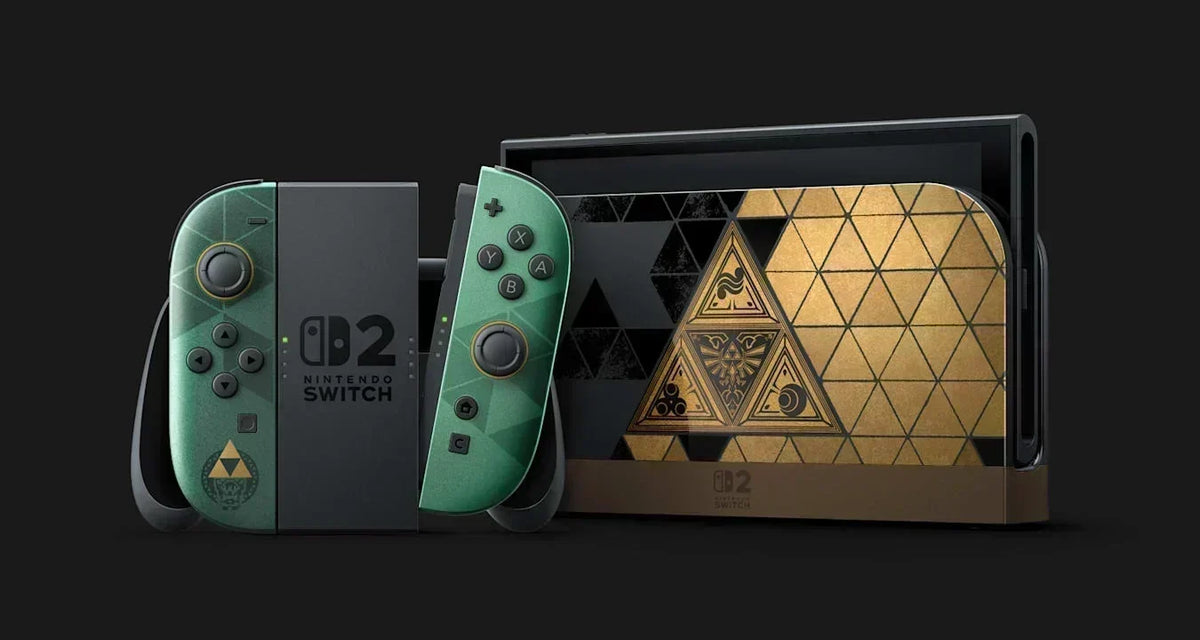
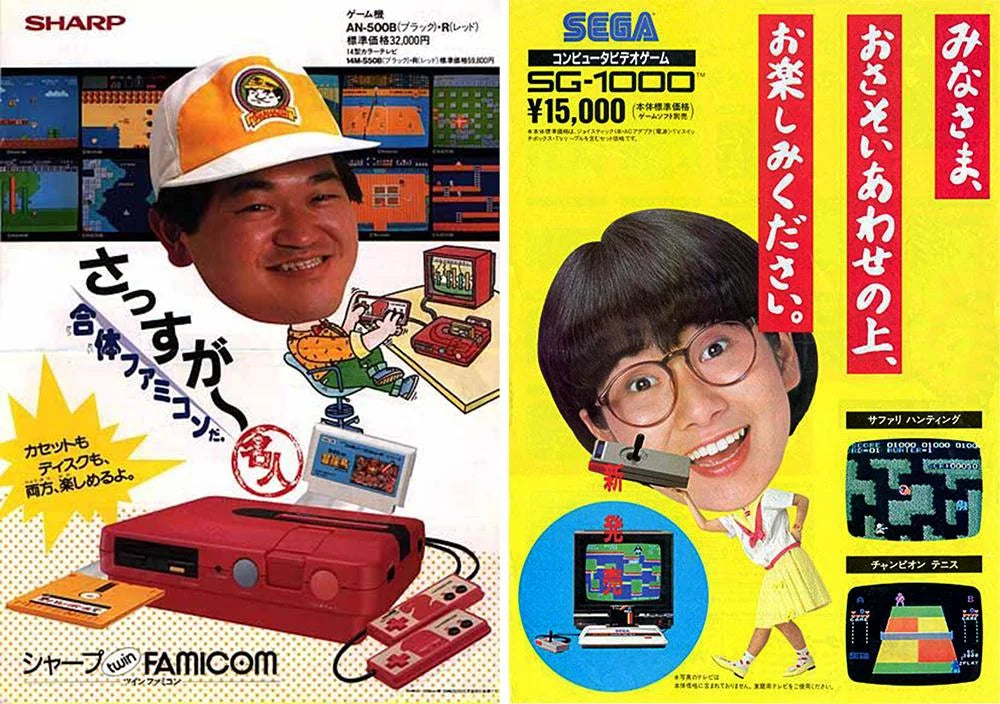
Japanese consoles preserve their gravitational pull. Design originality, exclusive colorways, and region-specific editions sustain global attention. The emphasis moves beyond nostalgia into appreciation for industrial design, and cultural context. Collectors increasingly treat these systems as artifacts rather than mere devices.
Accessories gain strategic relevance
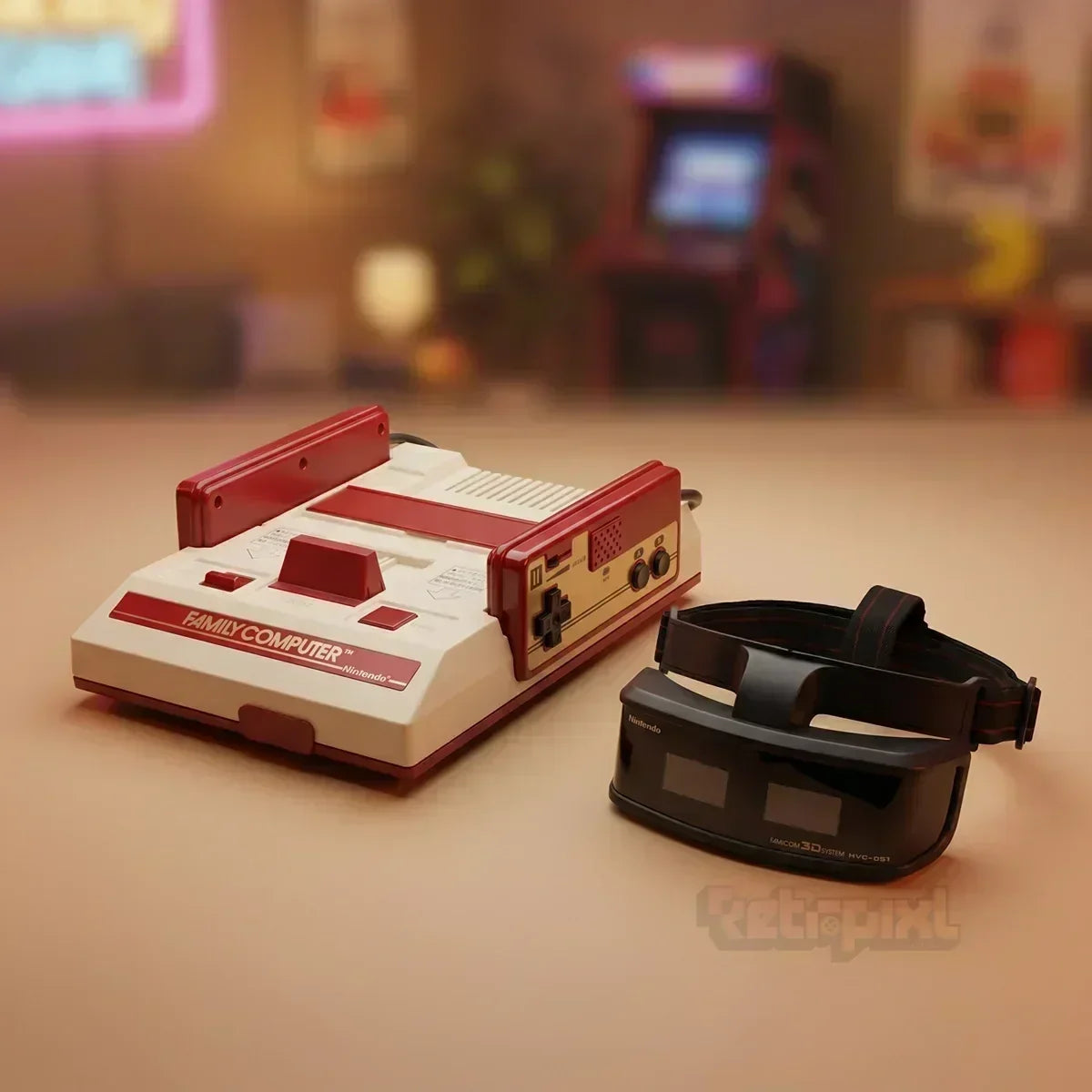
Accessories, once considered secondary, now influence valuation and collectability. Matching controllers, adapters, cables, and niche peripherals enhance completeness narratives. A console ecosystem feels more coherent when its original companions remain present and preserved.
For collectors navigating this landscape, thoughtful curation matters more than urgency. Exploring the Retro Gaming Collection, the Collectors Collection, carefully selected Accessories, and historically meaningful Collectibles offers a grounded path through a market defined by refinement rather than frenzy. Even focused categories like Handhelds illustrate how portability, design intimacy, and rarity continue to intersect.
Legacy for players and collectors.
The retro market of 2026 reflects maturation. Stability coexists with selective growth, rewarding preservation, patience, and informed collecting. Authenticity, condition, and cultural respect remain the foundations guiding meaningful acquisitions.
Share:
RetroPixl Year 2025 in Review
Capcom's 40th Anniversary: Tokyo Expo