

A market driven by passion
The retro gaming market in 2024 continues to evolve, shaped by nostalgia, scarcity, and growing global interest. Collectors are no longer just looking for consoles; they seek meaning, history, and cultural identity in every item. Japan remains the heartbeat of this ecosystem, where preservation and presentation still define true value.
Shifts in collecting behavior
As younger generations join the scene, collecting becomes more personal and design-oriented. Many focus on Accessories, packaging, and aesthetic presentation as much as on the consoles themselves. Interest also grows in limited editions and custom display pieces that merge gaming with interior design. The Collectors Collection reflects this transition, blending nostalgia with curation.
A digital horizon
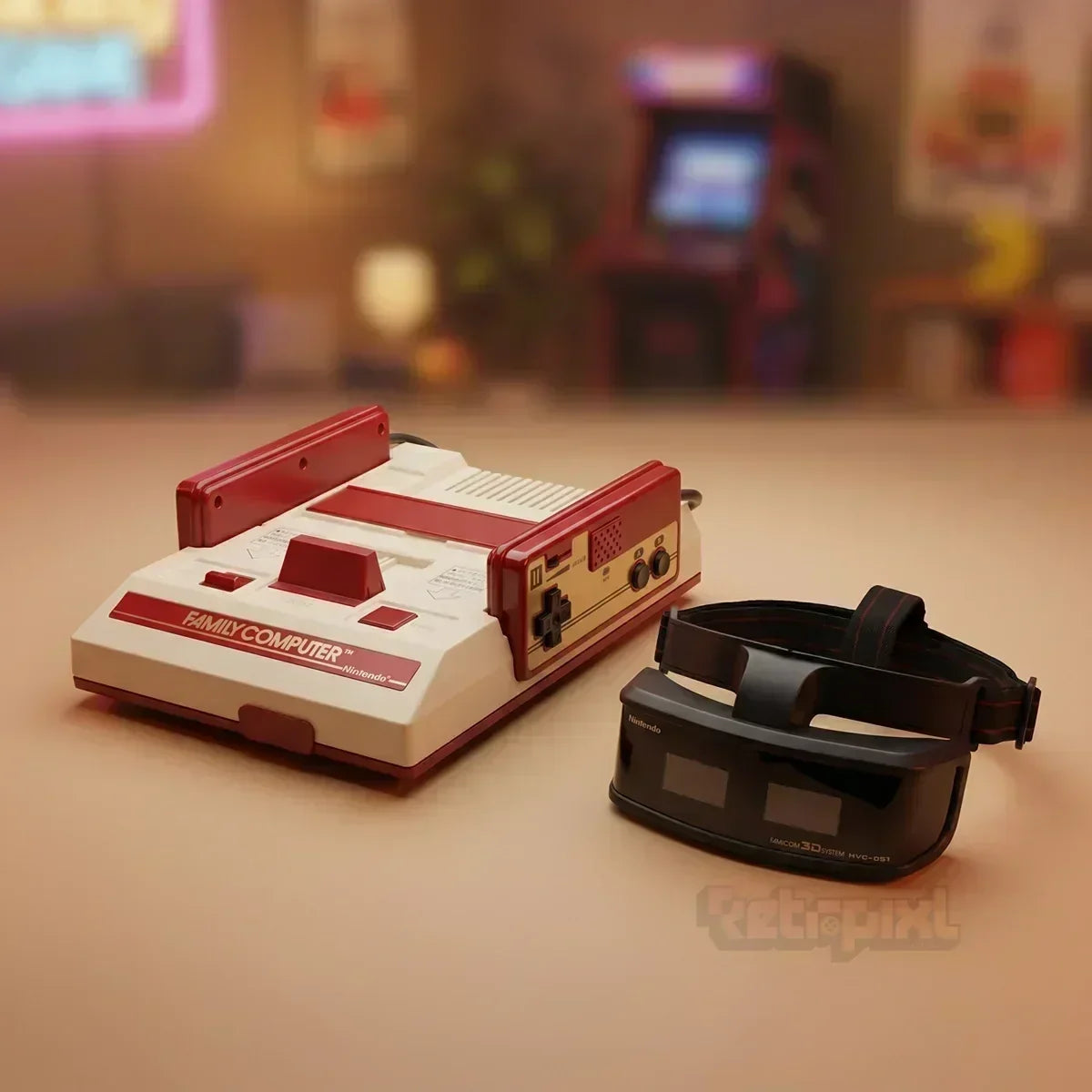
Digital tools and communities continue to influence how collectors connect and share. Authenticity verification, visual documentation, and sourcing transparency elevate standards across the industry. Brands like RetroPixl stand out by combining preservation with presentation, proving that retro collecting can evolve while staying true to its roots.
Legacy for players and collectors
The future of retro collecting lies in the balance between passion and precision. As technology and community blend, collectors everywhere continue to honor the artistry of Japanese consoles and keep the culture alive for generations to come.
Share:
The Legacy of Final Fantasy VII
Nintendo Wii Japan-Only Editions