
Rediscovering Japan’s forgotten gaming icons
In the vast world of retro gaming, not all consoles achieved global fame. Some quietly shaped Japan’s gaming history only to fade into obscurity as new generations arrived. In 2025, a growing number of collectors are seeking out these forgotten treasures — systems that now embody craftsmanship, rarity, and cultural depth. From the Sharp Twin Famicom to the PC Engine Shuttle, these machines are finding renewed appreciation across the Retro Gaming Collection and Collectors Collection at RetroPixl.
The Sharp Twin Famicom: elegance and innovation
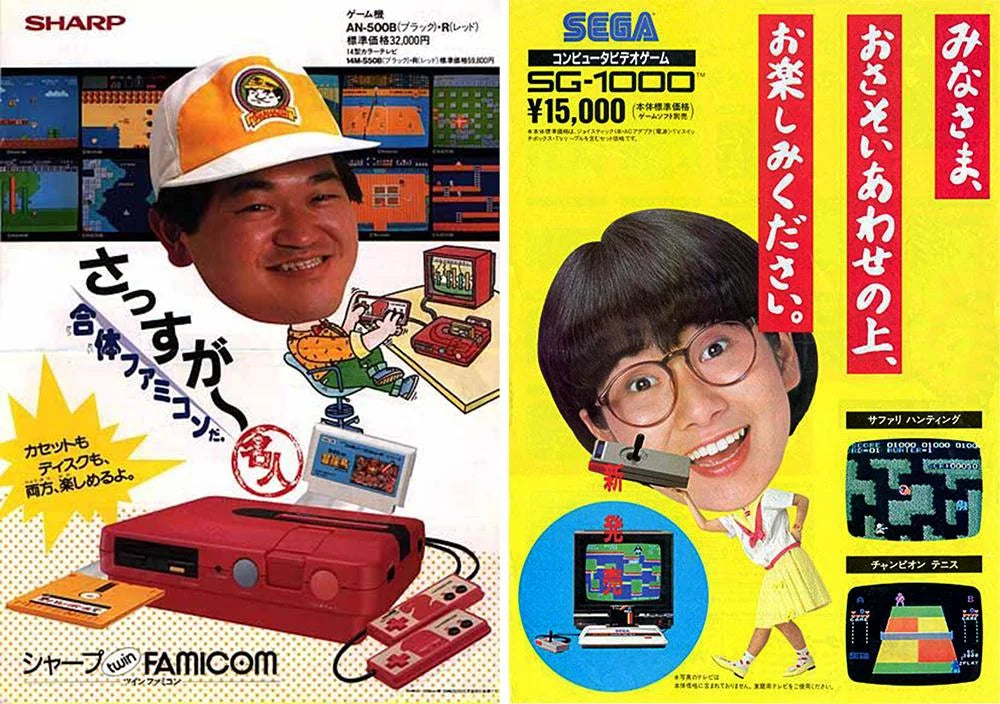
Released in 1986 by Sharp under license from Nintendo, the Twin Famicom combined both the Famicom cartridge slot and the Disk System drive into a single, sleek console. Its premium design, dual color variants, and superior build quality made it a collector’s dream — yet it never reached the West.
Today, pristine units are commanding attention once again. Collectors actively seek mint (A-grade) models with clean disk drives and vibrant red or black shells. Its integrated design and technical refinement continue to symbolize the creativity that defined Japan’s 1980s gaming industry.

Once overlooked, the Sharp Twin Famicom is now one of Japan’s most sought-after retro systems.
PC Engine Shuttle: the space-age experiment
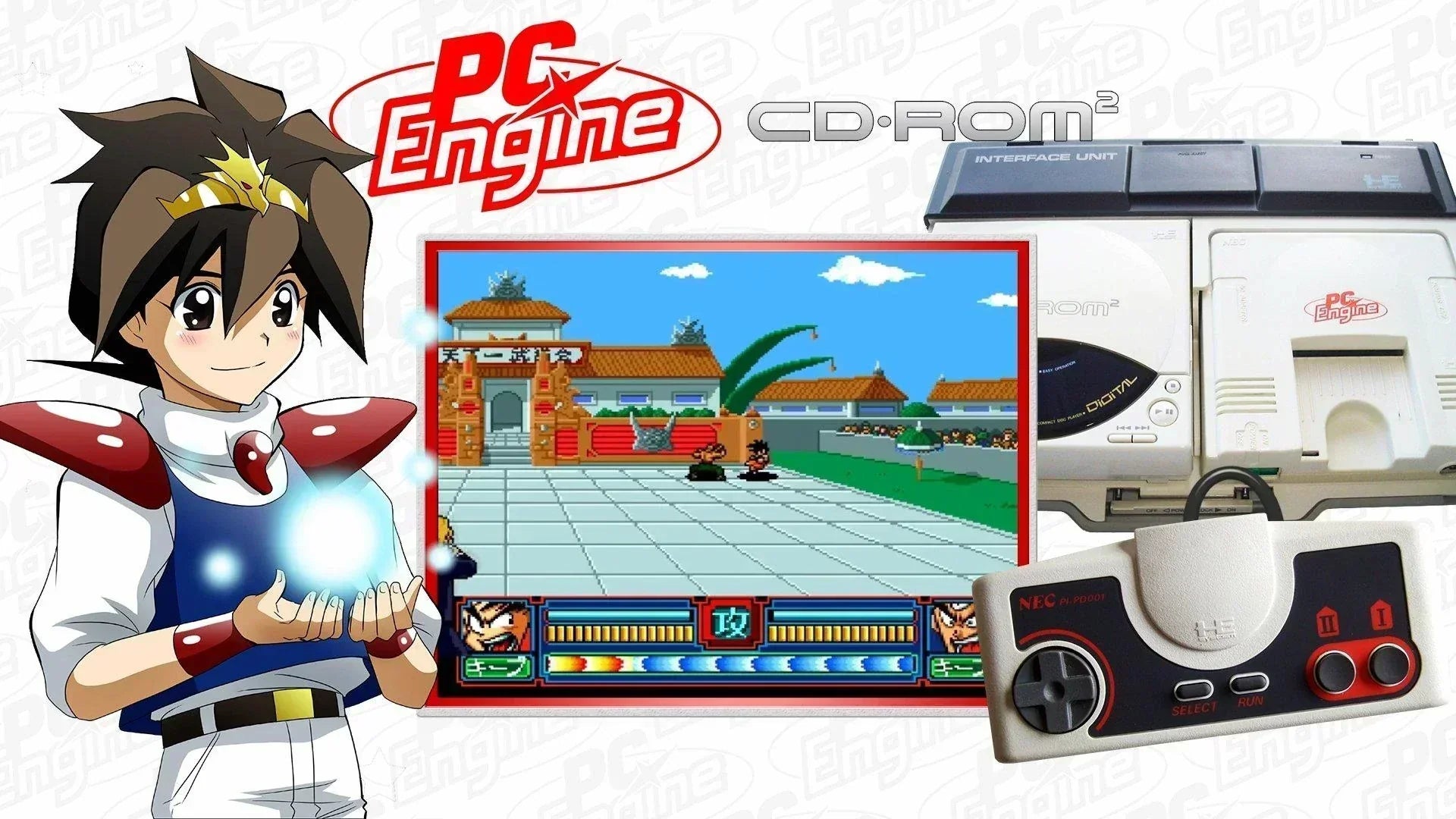
In 1989, NEC released the PC Engine Shuttle, a cost-reduced, space-themed variant of the original PC Engine. Its futuristic shape appealed to children, but the lack of CD-ROM compatibility limited its market success. Fast forward to 2025, and collectors now see the Shuttle as a perfect encapsulation of late-80s Japanese design — bold, imaginative, and distinct.
The Collectors Collection often highlights Shuttle units that retain their original boxes and inserts, showcasing how even commercial missteps can evolve into valuable artifacts of industrial design.
 Panasonic Q: the fusion of gaming and lifestyle
The Panasonic Q, a hybrid GameCube and DVD player launched exclusively in Japan in 2001, remains one of the most unique hardware collaborations ever produced. Built in partnership between Nintendo and Panasonic, it featured a polished stainless-steel chassis and front-lit controls that felt decades ahead of its time.
Once dismissed as an expensive curiosity, the Q is now revered among collectors who value cross-brand innovation. Many S-grade and A-grade units remain in Japan, preserved by enthusiasts who admired its dual identity as both entertainment system and home decor.

The Panasonic Q blended technology and aesthetics, now defining luxury in retro hardware collecting.
Victor’s high-end hybrid: the Wondermega
Before the Sega CD became a household name, Victor (JVC) collaborated with Sega to create the Wondermega; a premium all-in-one system that combined the Mega Drive and Mega-CD into a single, sleek unit. Designed for audiophiles as much as gamers, it featured advanced audio components, MIDI compatibility, and karaoke functions, setting it apart from standard Sega hardware.
Its futuristic look, motorized disc tray, and crisp sound quality made it a centerpiece of early-90s tech luxury. But with a price tag far beyond what most gamers could afford, the Wondermega became a niche product rather than a mainstream hit. Today, collectors view it as one of Sega’s most elegant and desirable machines; a perfect example of form meeting function in the golden age of Japanese hardware design.

Victor’s Wondermega RG-M2captured a brief era when hardware design met musical elegance.
Pioneer’s hybrid experiment: the LaserActive
In the early 1990s, Pioneer joined the console race with one of the most ambitious multimedia systems ever created; the LaserActive. Designed around LaserDisc technology, it aimed to merge home video, audio, and gaming into a single entertainment hub. Through optional add-on modules called PACs, users could play either Sega Mega Drive and Mega-CD games or NEC PC Engine and TurboGrafx-CD titles.
The concept was visionary but far ahead of its time. Its massive price tag and limited game library kept it out of most homes, yet today it stands as one of the most fascinating cross-platform consoles ever released. Collectors prize the LaserActive for its sleek industrial design and experimental nature, a bold reminder of how far companies once pushed multimedia innovation.

Pioneer’s LaserActive blurred the line between home cinema and gaming; a true multimedia pioneer.
Forgotten doesn’t mean forgotten forever
What unites these consoles isn’t their commercial success, but their enduring artistry. Each reflects a moment when Japanese manufacturers experimented without compromise, a mindset that shaped gaming’s golden age.
RetroPixl’s Retro Refurb Services ensures these systems don’t remain museum pieces but living, playable works of art. From careful cleaning to electronic restoration, these consoles continue to power up with authenticity.
Legacy for players and collectors
Rediscovering forgotten consoles is more than a hobby; it’s an act of preservation. Each restored unit tells a story of Japan’s relentless pursuit of creativity. As 2025’s collectors look beyond the obvious classics, the hidden gems of the Retro Gaming Collection remind us that innovation often thrives in obscurity.
Share:
Launch of Retro Refurb Services
Announcing RetroPixl Drops! A New Way to Play and Collect Japan’s Rarest Consoles