
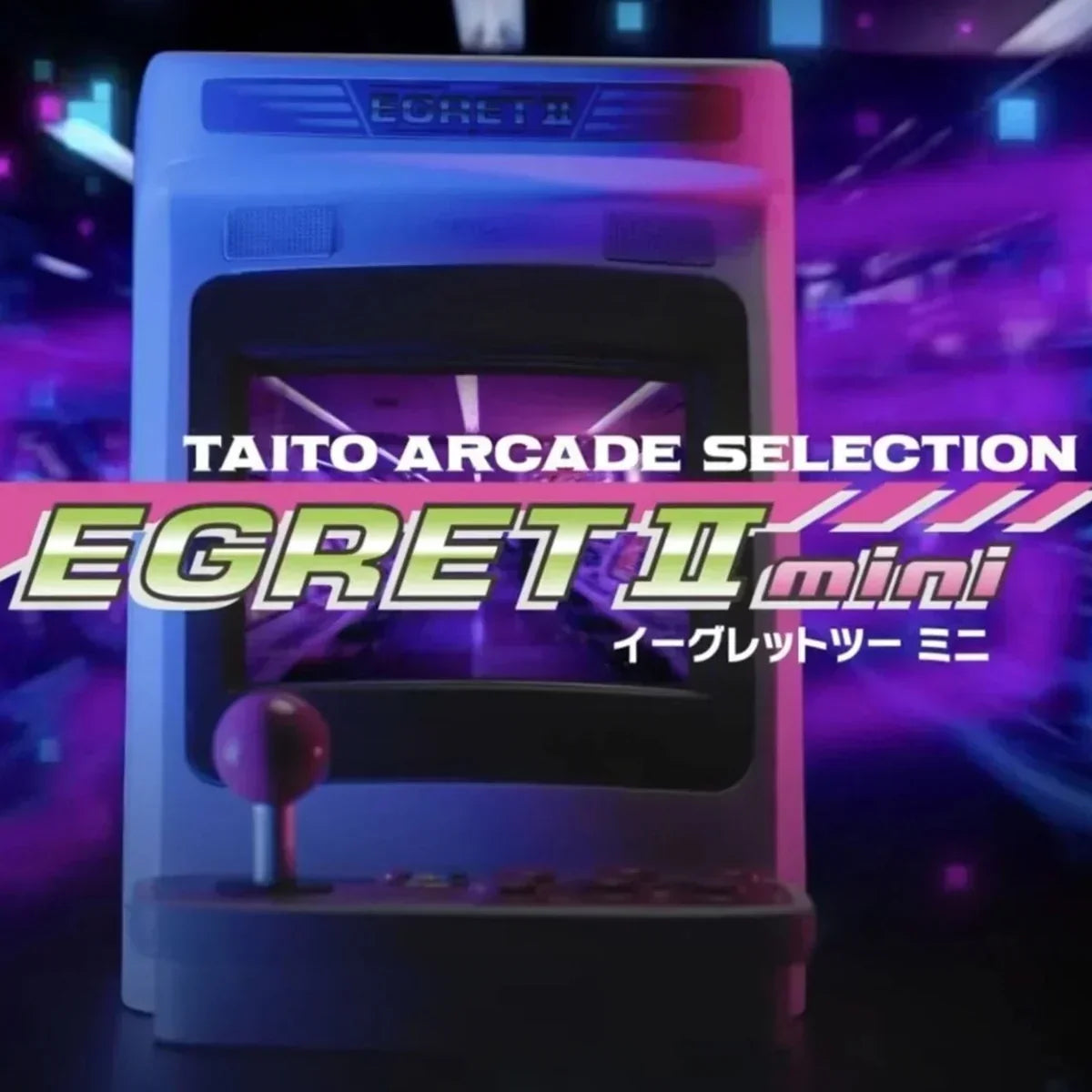
Big nostalgia in a smaller box
There is something instantly charming about seeing a familiar console shrunk down to the size of your hand. During the late 2010s, mini consoles become one of retro gaming’s biggest trends, bringing classic designs back into homes in miniature form.
Nintendo may turn the concept into a worldwide phenomenon with the Nintendo Classic Mini: Family Computer and NES Classic Edition in 2016, but the idea quickly grows much larger. Sega, SNK, Konami and others revisit their own histories, transforming some of the most recognizable Japanese consoles into compact tributes to the originals.
For players, they offer an easy route into older generations. For collectors, the Retro Gaming Collection tells the other side of the story through the original consoles that inspire them.
Nintendo starts a miniature craze

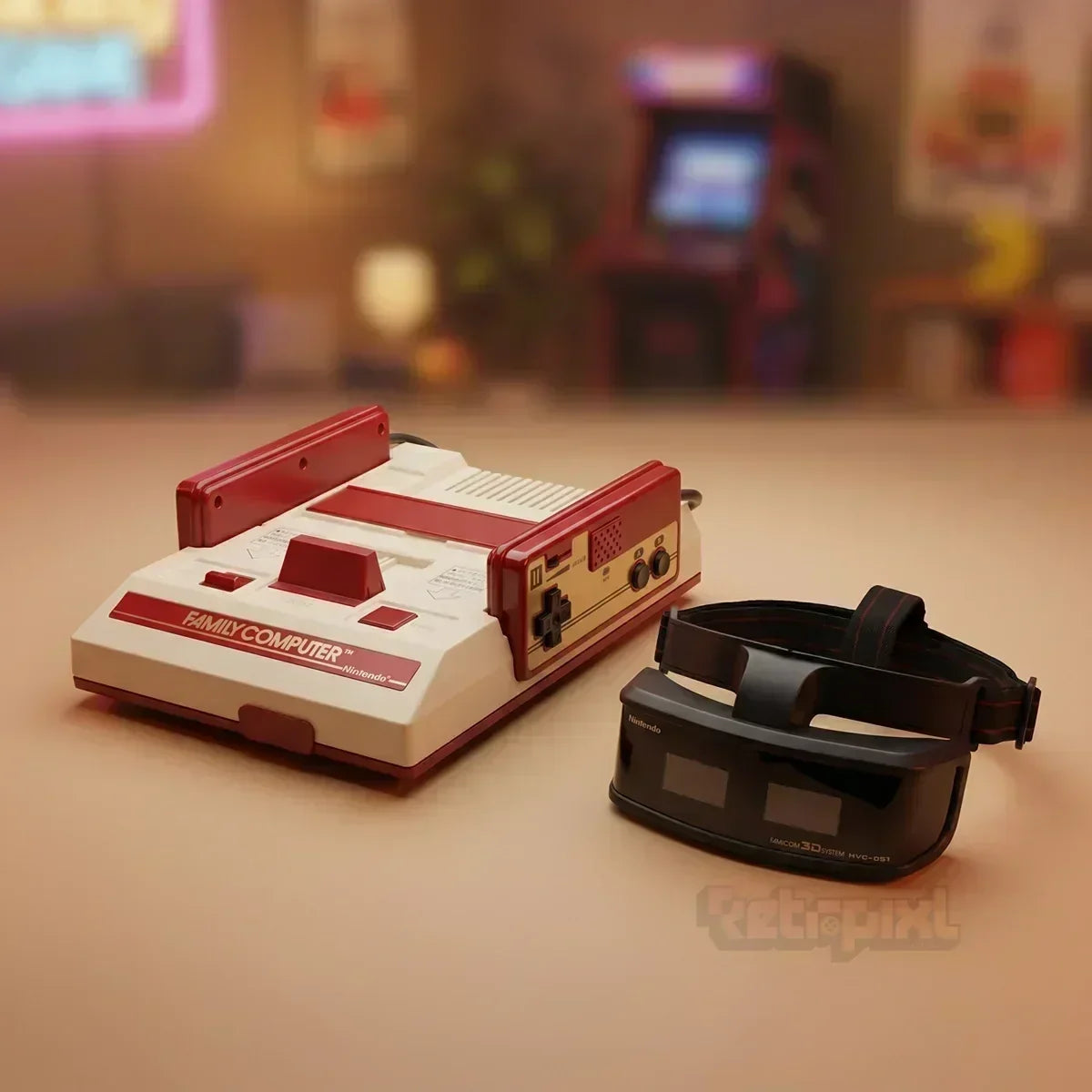
Nintendo’s 2016 Nintendo Classic Mini recreates the unmistakable console at a fraction of its original size. The NES version brings the same idea in Japan with the Famicom, followed in 2017 by miniature Super Famicom and SNES systems.
Their success helps establish the formula: recreate an iconic console design, preload a carefully selected library, add modern HDMI connectivity and package everything with a heavy dose of nostalgia.
The Japanese editions are particularly appealing within the Collectors Collection because they preserve the appearance and packaging language of the original domestic machines.
Sega takes the idea even further
Few companies embrace the concept as enthusiastically as Sega. The Mega Drive Mini (JAP) arrives in 2019, followed by the Mega Drive Mini 2 in 2022, each celebrating a different part of the console’s history.
Sega also ventures deeper into its past with the tiny Game Gear Micro. Released in Japan in several colors, each version contains a different selection of titles. Its almost comically small screen makes it less practical than a conventional Handheld, but that is part of its personality. The famous Power Tower also got its mini version to be added to the Megadrive, and is today one of the most unique and thought after mini add-on.
These machines are not simply emulation boxes. Their shells, controllers, menus and even miniature Accessories are designed to trigger memories of the originals.
Neo Geo goes from enormous cartridges to tiny arcades

SNK approaches the mini trend differently. Rather than simply shrinking the Neo Geo AES, the company releases the Neo Geo Mini in 2018 as a miniature arcade cabinet with its own screen and controls.
It is an appropriate tribute to a system whose identity has always existed between the arcade and the living room. Special editions and regional variations also give the Neo Geo Mini an unexpected collector dimension of its own.
Konami follows another path with the PC Engine Mini in 2020, recreating one of Japan’s most distinctive consoles and celebrating a machine that remains deeply connected to Japanese retro gaming culture. A European version also gets released.
Known as the CoreGrafx Mini, the European model swaps the PC Engine’s compact white design for the darker look of NEC’s later CoreGrafx.
When reproductions become collectibles
Mini consoles begin as celebrations of older machines, yet some eventually become collectible objects themselves. Limited production, Japan-only variants, special colors, unusual packaging and miniature peripherals can make particular releases surprisingly desirable once they disappear from stores.

That creates an interesting reversal. These products exist because people feel nostalgic for older consoles, but they eventually become part of gaming history too. A sealed or beautifully preserved mini console can sit naturally beside other gaming collectibles, even if the original machine remains the centerpiece of a collection.
Miniature tribute or the real thing?
A mini console cannot completely recreate the experience of owning an original system. The weight of a Neo Geo AES cartridge, the mechanical character of a Famicom Disk System or the feel of an original Mega Drive belongs to another era.
But mini consoles do something different. They make gaming history approachable while celebrating the industrial design that makes these machines recognizable decades later. They can introduce someone to a console they never owned, or give a longtime player a compact reminder of one they remember vividly.
That combination of accessibility, nostalgia and design explains why the mini-console phenomenon becomes much more than a short-lived novelty.

Legacy for players and collectors.
Mini consoles prove that the shape of a console can become almost as memorable as the experiences associated with it. From the tiny Famicom and Mega Drive to the Neo Geo Mini and Game Gear Micro, they celebrate decades of Japanese console design while creating a new category of collecting in their own right. Sometimes preserving gaming history means keeping the original. Sometimes it means shrinking it.
Share:
Sega Mega Modem: when Sega takes gaming online
RetroPixl 2026: midyear review, plenty more to play