
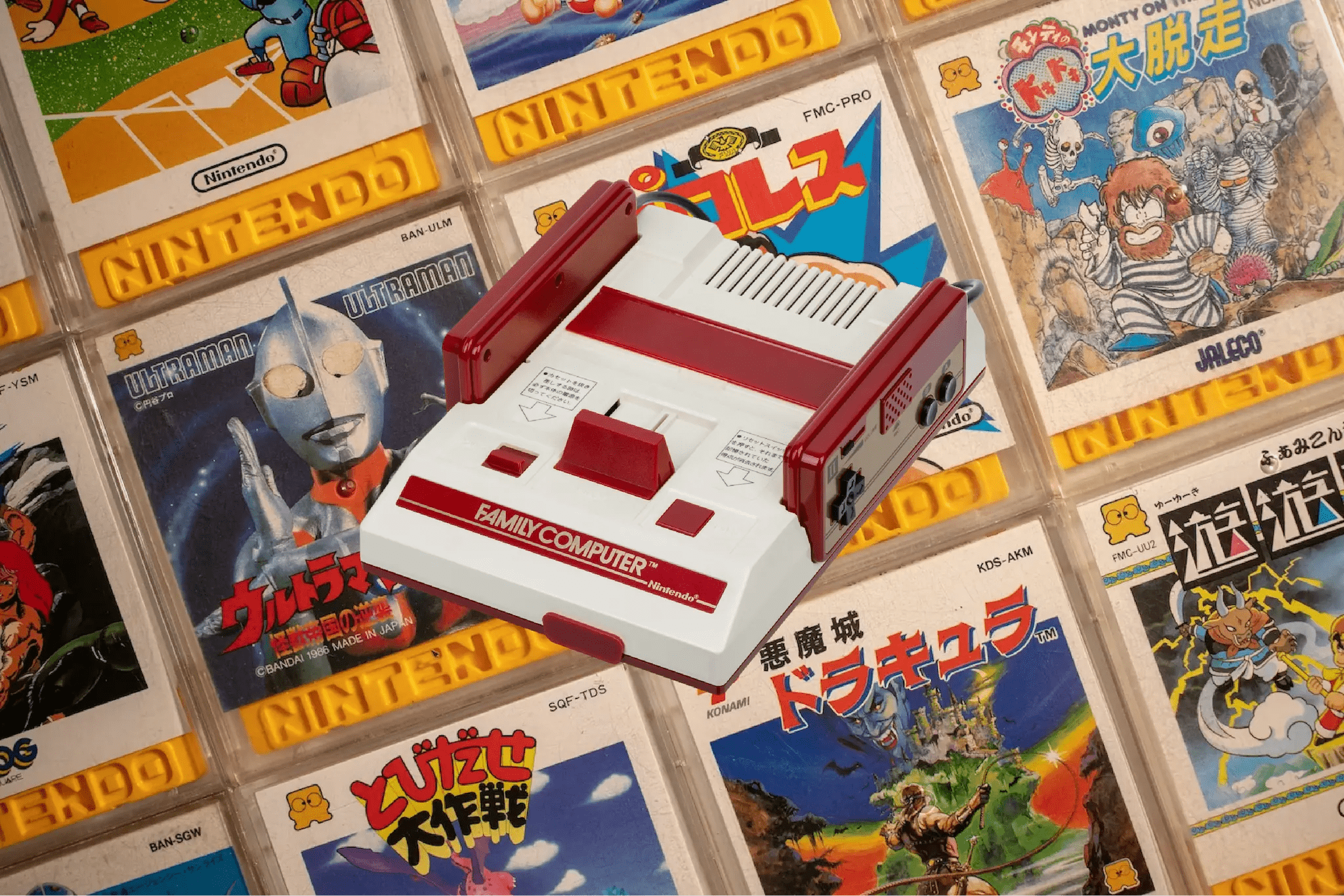
A palette that defined identity
Japan’s approach to console color was never random. Each tone expressed character and intention. While Western models often stayed neutral, Japanese systems experimented with bold finishes and playful palettes. Color became a language, telling stories about innovation and individuality. For collectors of Collectibles and Retro Gaming systems, these variations hold the same significance as hardware revisions or new accessories.
The culture of color in Japan
In Japanese design, color is tied to emotion and meaning. The translucent blue of the Nintendo 64 represented optimism. The metallic gray of the PlayStation 2 symbolized precision. Even portable consoles like the Game Boy Advance embraced pastels that matched pop culture trends of the early 2000s. Each shade captured a specific cultural moment, giving collectors visual cues to Japan’s social and design history.

The Indigo GameCube remains one of the most instantly recognizable consoles of its generation.
The psychology of rarity
Limited colors often appeared briefly or exclusively through retailer partnerships. The Crystal White PSP or the Aqua Blue Game Boy SP became instant sensations. In Japan, scarcity and aesthetic value often overlap, turning each color into a story of when, where, and how it was sold. Collectors view these releases as milestones in design history, each representing a time capsule of taste.

Crossovers and cultural collaboration
Color choices often came from collaboration. Anime studios, magazines, and pop stars lent their palettes to consoles, giving birth to crossover editions that blurred lines between fashion and hardware. The Collectors community still reveres designs like the The Resurgence of the Game Boy Micro, especially the Famicom edition for their creative partnerships. Each cross-branded console added a layer of storytelling that elevated collecting beyond ownership.
Why presentation matters
Japanese packaging and marketing amplified the emotional impact of these colors. Every shade came with matching artwork, printed inserts, and visual harmony that tied box and console together. Collectors who focus on Accessories and visual design see these boxes as extensions of the console’s identity. Displaying a wall of pastel handhelds or monochrome systems tells a story of both craftsmanship and culture.
The collector’s connection to emotion
What makes Japanese console colors timeless is their ability to connect visually and emotionally. Each hue evokes a different nostalgia, reminding players of where they were when they first held it. These memories give color variants an intimacy that transcends rarity. Collectors value that emotion as much as condition, treating each shade as a reflection of personality and cultural context.
Final reflection
Japanese console colors became cultural icons because they blended design, meaning, and emotion. They proved that technology could be personal, expressive, and beautiful. For collectors, every tone tells a story of innovation and identity, preserved in the vibrant legacy of Japan’s gaming past.
Share:
The Timeless Appeal of the Sega Saturn in Japan
The Forgotten Charm of Japanese Controller Design