
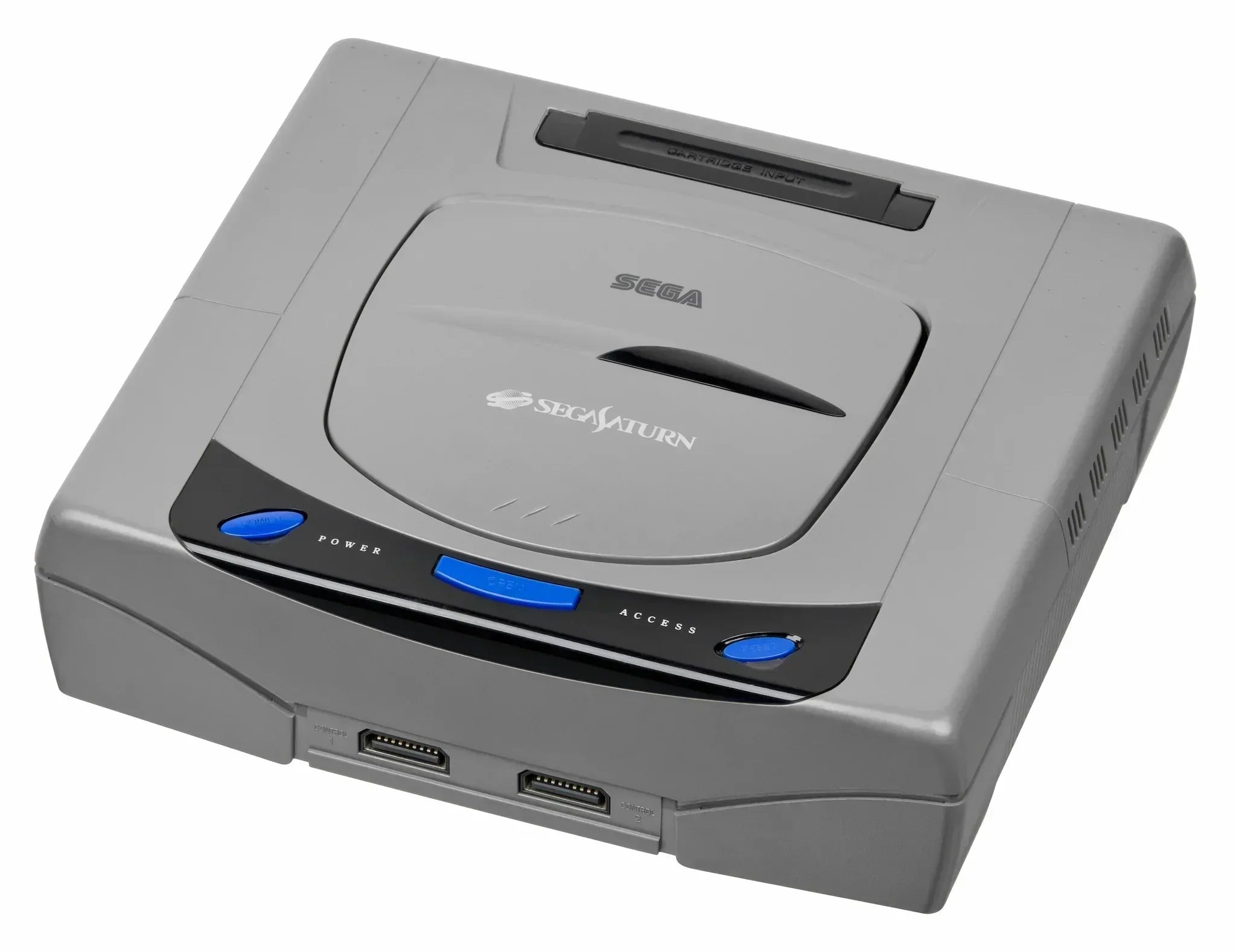
A misunderstood masterpiece
In the mid-1990s, the Sega Saturn faced fierce competition worldwide, yet it found a loyal audience in Japan. While Western markets leaned toward 3D realism, Japan embraced the Saturn’s focus on 2D artistry and arcade perfection. Its identity aligned closely with local culture, where design and gameplay finesse outweighed raw graphics. The Saturn’s influence still resonates within Retro Gaming communities, where collectors see it as the console that truly captured Sega’s spirit.
The art of design and engineering
The Saturn was built like an industrial tool rather than a toy. Its dual processors were complex, but they enabled fluid animation unmatched at the time. Japanese developers mastered its architecture, producing masterpieces such as Panzer Dragoon Saga and Radiant Silvergun. The console’s durability also contributed to its collector appeal. Decades later, many units remain fully operational, their weight and structure standing as proof of Sega’s craftsmanship.

The translucent "This is Cool" gray Japanese Saturn remains a visual symbol of 1990s industrial elegance.
Collector devotion and exclusivity
What makes the Saturn’s Japanese legacy unique is the depth of its exclusives. Titles like Sega Rally Championship Plus and Princess Crown never reached international audiences, making the hardware essential for anyone seeking a complete library. The Collectors community treats the Saturn as a bridge between mainstream and niche, where ownership is as much about cultural appreciation as gameplay.

Owning a Japanese Saturn feels like holding the blueprint of modern game artistry.
Packaging and presentation
Japanese Saturn packaging stood out for its precision and subtle design language. The logo’s gold hue, the black casing, and the use of vertical typography gave it authority. Even accessories followed a cohesive visual system, aligning with the Accessories category of refined hardware design. Collectors value not only the condition of the console but the integrity of its packaging, inserts, and registration cards.

A complete boxed Saturn set captures the aura of 1990s Japanese retail perfection.
The influence of community and nostalgia
Fan communities have kept the Saturn alive long after its commercial end. Modders and restorers across Japan maintain the console’s legacy by refurbishing hardware, recapping motherboards, and even translating unreleased titles. This grassroots effort reflects a larger cultural respect for preservation seen throughout the Home Systems scene. For many, collecting the Saturn is not nostalgia but a form of historical duty.
A legacy of resilience
The Sega Saturn’s story is one of redemption. Once seen as a commercial disappointment, it now symbolizes enduring artistry. In Japan, where innovation and memory coexist, the Saturn continues to inspire both collectors and designers. Its balanced blend of power, design, and identity ensures that its place in gaming history remains unshakable.
Final reflection
The Sega Saturn endures because it was never just a console. It was a philosophy built around precision, creativity, and resilience. Japan embraced it for those qualities, and collectors continue to do the same today. More than twenty-five years later, the Saturn still embodies the essence of retro hardware done right.
Share:
The New Wave of Restoration and Refurbishing in Japan
Why Japanese Console Colors Became Cultural Icons