
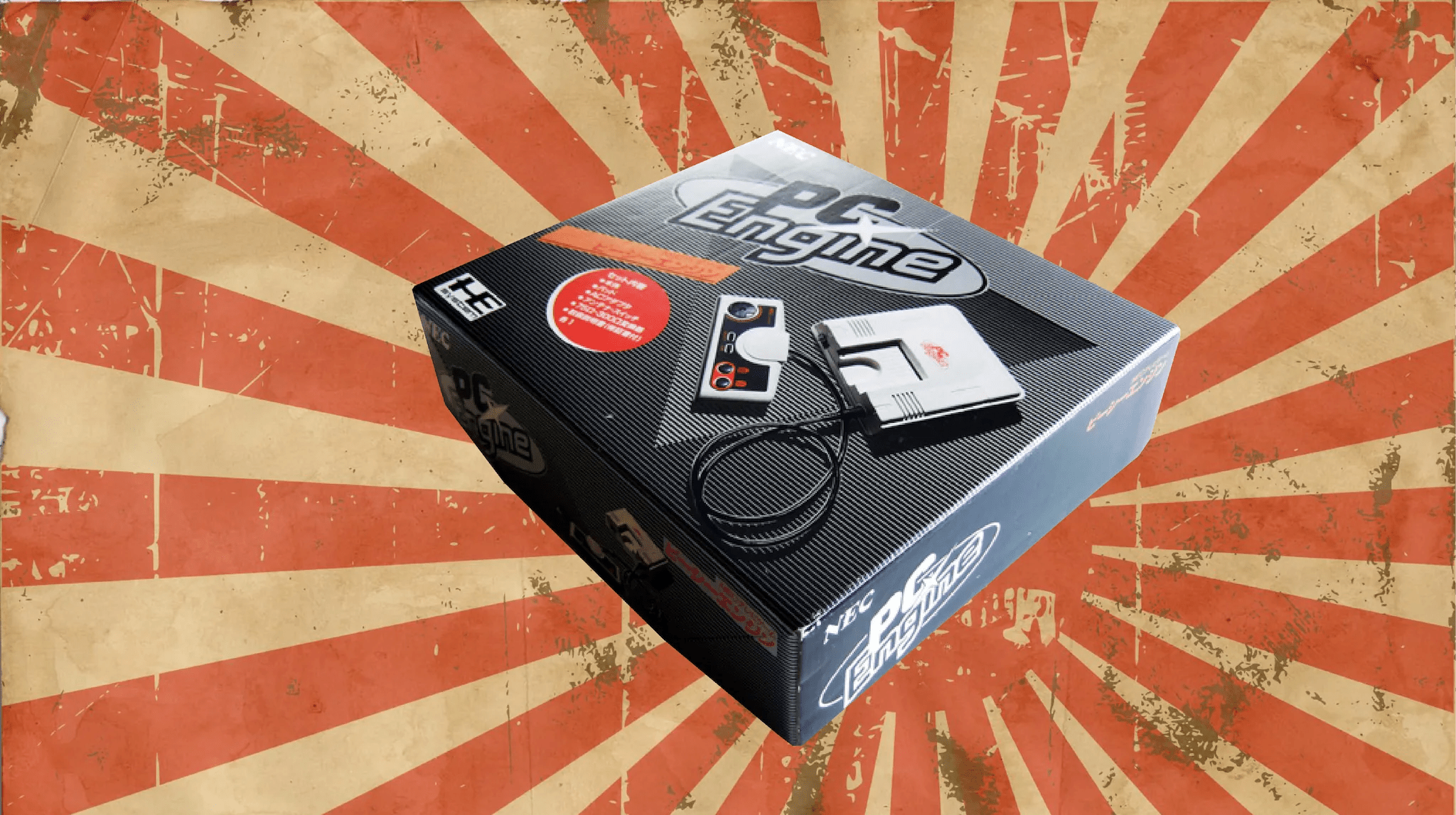
From forgotten packaging to collector obsession
For decades, gamers focused on the thrill of playing, not preserving. But as nostalgia deepened, collectors realized the box itself held as much power as the console inside. What was once cardboard waste is now one of the most coveted elements of retro gaming history. In the early years of the Super Famicom and Mega Drive, most buyers discarded packaging soon after unboxing. Storage space was scarce, and few imagined their consoles would one day become collector items. That casual habit created an imbalance decades later: unboxed systems flooded the market, while complete-in-box examples quietly disappeared. Today, the difference in value between a loose and boxed console can be several times over, especially when condition reaches A-grade or higher.

A flawless Hi Saturn console, unopened, brand new in S-grade.
Packaging as design and storytelling
Boxes reveal how brands saw themselves. The playful typography of Nintendo, the minimal design of Sony, the metallic bravado of SEGA, each reflected a cultural moment. Japanese packaging design in particular was meticulous, using coated paper, embossed logos, and full-color imagery long before Western editions matched that level of detail. For collectors of Retro Gaming history, these boxes represent more than protection. They’re design statements that defined eras.
The psychology of completeness
The rise of boxed collecting also stems from the psychology of completion. A console alone feels incomplete, but a set with original inserts, manuals, and warranty cards evokes a sense of wholeness that resonates deeply with collectors. The satisfaction of seeing everything intact, cables still tied, foam still clean, lid perfectly aligned, feels like stepping into the past. In markets like Japan, where respect for objects is cultural, boxed consoles have always been seen as part of the experience. That reverence eventually shaped global collecting habits.

Condition became a language: S for brand new and sealed, A for mint, B for complete but gently used.
The globalization of condition standards
As online marketplaces grew, global access transformed boxed console collecting from niche to mainstream. A collector in New York could now purchase a mint GameCube Panasonic Q directly from a Tokyo shop, while sellers in Osaka discovered a worldwide audience through English listings. Platforms specializing in Collectors and Home Systems have since thrived on this global appetite for complete sets. The result is a transparent, standardized ecosystem where condition, originality, and provenance command clear premiums.
Preservation over play
What started as nostalgia has evolved into preservation. Unboxing an untouched Dreamcast or PC Engine Duo today is an emotional time capsule. The feel of the cardboard, the smell of the print, the artwork that promised the future of gaming, all remind collectors why they fell in love with the medium in the first place. These experiences can’t be replicated by digital re-releases or modern packaging. They’re physical memories, preserved by those who cared enough to keep every piece intact.

The Dreamcast Sakura Wars
A cultural artifact reborn
Owning a boxed console is no longer about owning the hardware. It’s about preserving culture. From the typography of instruction manuals to the texture of molded foam, every element speaks to the craftsmanship of its era. Collectors who specialize in Accessories or Collectibles now treat packaging with the same reverence as the systems themselves, often displaying boxes separately to highlight their artwork.
Final reflection
Boxed consoles are what RetroPixl is about. Especially when it comes to unopened and almost new consoles. That's exactly why we created the website for players and collectors.
Boxed consoles have become the museum pieces of gaming. They combine scarcity, design, and history into one cohesive object. What once sat forgotten in closets now defines entire collections, bridging nostalgia with art. For many, the search for that perfect box is not about resale but about connection to the past, to the craft, and to the feeling of excitement that only comes once: the day you open a console for the very first time.
Share:
Why Japanese Exclusives Are Pricier
The Legacy of the PS2 Slim in Japan