
Japan has always been the beating heart of retro gaming. For collectors around the world, few things hold as much allure as a system, accessory, or variant that never made it overseas.
But why are Japanese exclusives often so much pricier than their global counterparts? The answer lies in a mix of culture, economics, and collector psychology that’s unique to Japan’s gaming legacy.
A matter of rarity and condition
Japan’s domestic market produced countless limited editions and retailer exclusives, often in small batches or for short time windows. While these items were once commonplace in Tokyo’s Akihabara or Osaka’s Den Den Town, most were never exported officially. As a result, sealed or A-grade examples are exceptionally rare abroad today. Japanese collectors are also known for meticulous care, boxes are kept, manuals are preserved, and even cables are neatly folded. This attention to condition pushes up value globally, as international buyers are willing to pay a premium for that near-mint authenticity.
The influence of domestic exclusivity
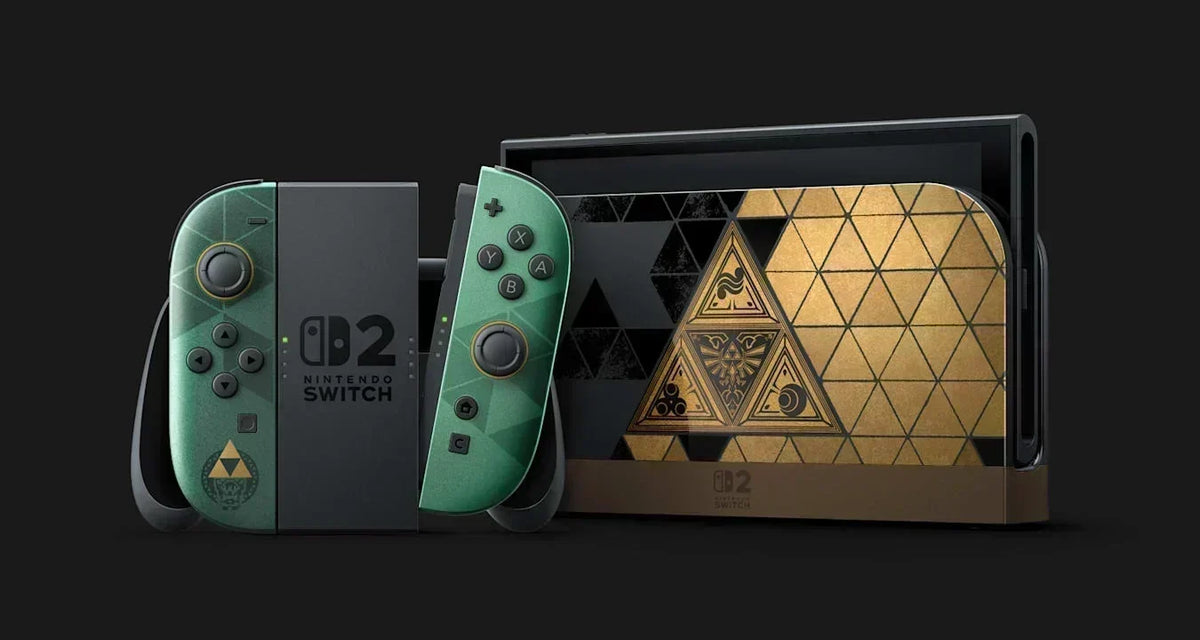
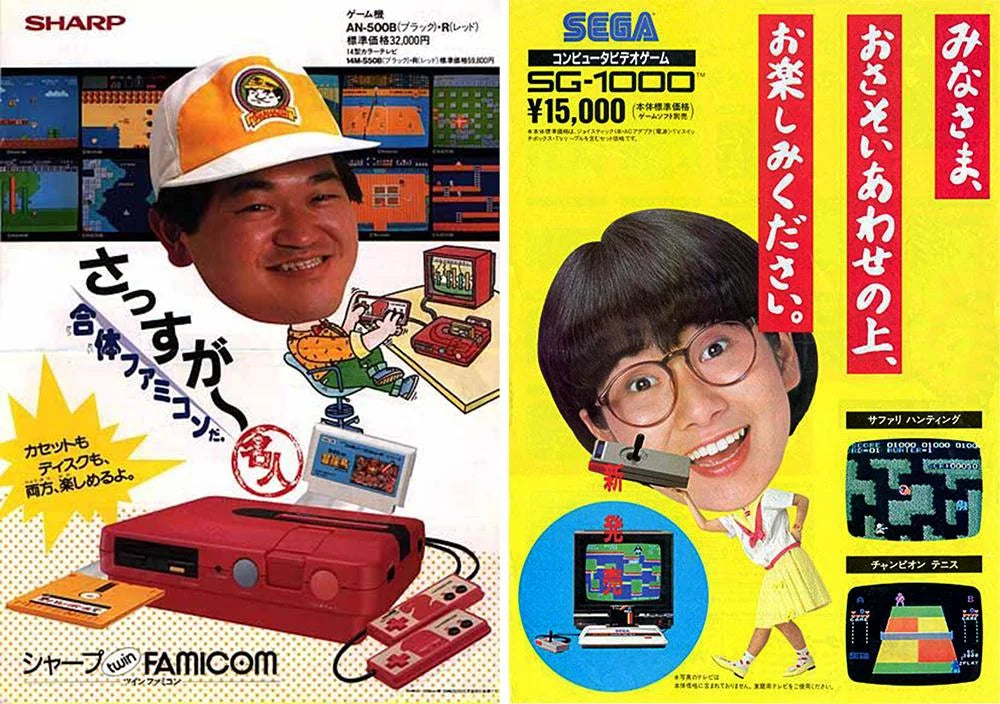
Many of Japan’s exclusives were designed to appeal to local tastes, from pastel console colors to anime-themed bundles. These items often carried smaller production runs, driven by short marketing campaigns or limited retailer partnerships. Unlike Western markets that emphasized mass distribution, Japan thrived on the idea of scarcity as a marketing driver. Think of the Transparent Blue Nintendo 64 or the Hello Kitty Dreamcast, both sold in small domestic quantities and became legends for collectors decades later.
Cultural preservation and global demand
Japanese gamers have long valued the act of preserving history rather than simply playing. That philosophy extended into how consoles were stored, displayed, and traded. In contrast, Western gamers often discarded boxes and manuals to save space, creating a steep condition gap in the secondary market. Now, as retro gaming has evolved into a global hobby, that cultural care has transformed into global demand. Collectors outside Japan are paying not just for the hardware, but for the story it represents, a story of preservation, design, and cultural pride.
Exchange rates, export costs, and scarcity abroad
The premium attached to Japanese exclusives isn’t only cultural — it’s also logistical. Export costs, customs fees, and currency fluctuations all impact resale value. For example, the yen’s strength during certain years made importing Japanese consoles notably more expensive. Additionally, Japan’s own collector market has tightened. Local resellers and proxy services (like ZenMarket or Buyee) compete directly with overseas buyers, pushing up auction prices. By the time an S-grade console reaches international shelves, multiple layers of mark-up have already occurred.
A premium tied to provenance
Ultimately, the higher price of Japanese exclusives reflects more than supply and demand. It’s a mix of trust, authenticity, and heritage. Owning a console that was designed, sold, and cared for in Japan connects collectors directly to gaming’s birthplace. That sense of provenance, especially when paired with perfect packaging or unique region-only variants, makes these pieces feel like museum artifacts rather than commodities.
Final thoughts
Japanese exclusives command higher prices because they embody scarcity, craftsmanship, and nostalgia. Each item tells a story of a culture that treats gaming not as consumption but as art. For collectors, that emotional and historical connection is worth every extra dollar.
Share:
Game Boy Advance SP Value Today
The Rise of Boxed Console Collecting