
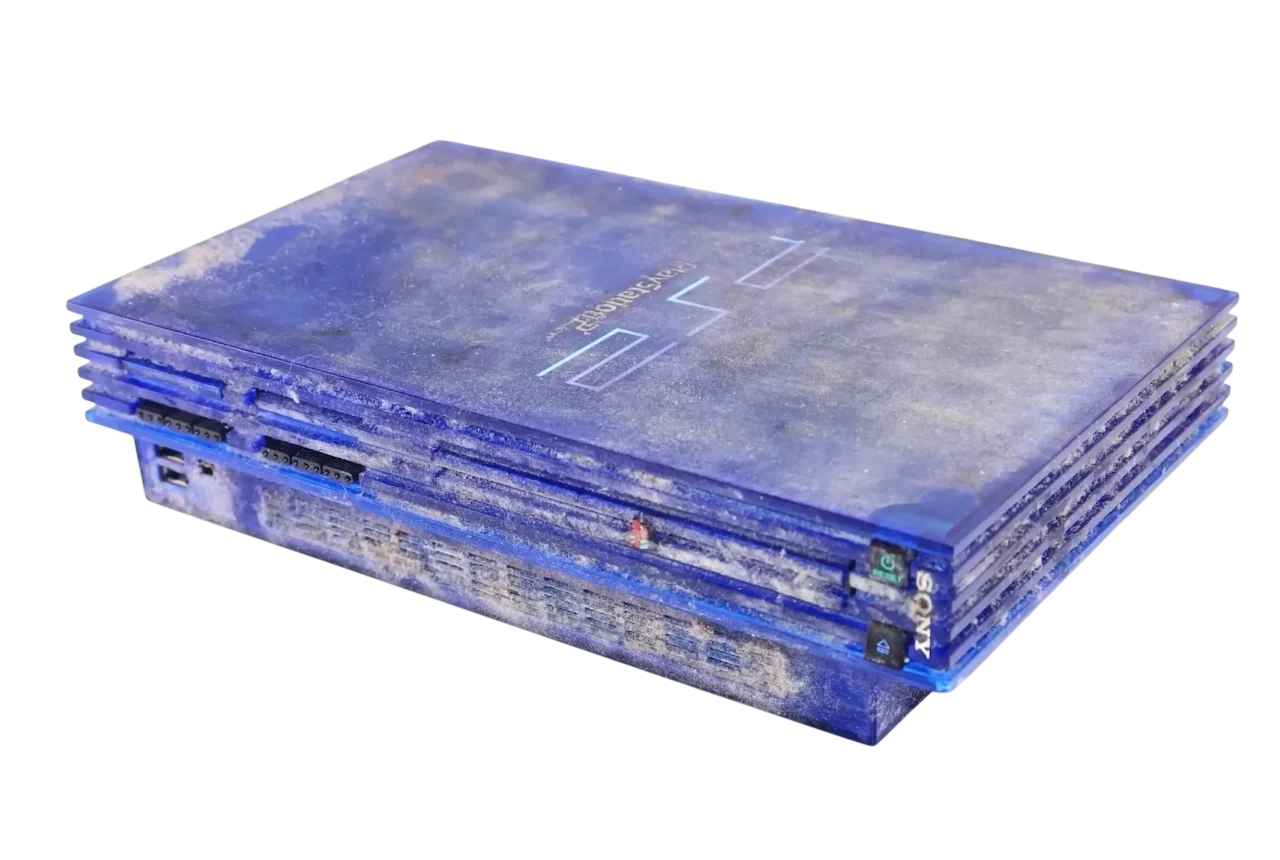
Restoring more than hardware
In Japan, restoration has become a form of cultural preservation. Collectors and technicians across Akihabara, Osaka, and Nagoya are giving old consoles a second life. These restorations go beyond cleaning or repair. They aim to bring systems back to their original condition while honoring the craftsmanship that defined them. For enthusiasts of Collectors hardware, refurbishment is not a trend but a responsibility to history.
The philosophy of authenticity
Japanese restorers approach each project with precision and restraint. Their goal is not modernization but faithful reconstruction. A yellowed Famicom shell is carefully whitened without erasing its texture. Circuit boards are repaired using era-correct solder and components. Stickers and serials are preserved whenever possible. For collectors of Retro Gaming systems, authenticity determines value. A console restored in Japan carries trust because it reflects both skill and cultural respect for longevity.
The rise of specialized workshops
Independent workshops have emerged across Japan, each specializing in different techniques. Some focus on plastics and color matching, others on electronics or packaging. Shops like Beep and Retro Game Camp offer restoration services alongside curated inventories of refurbished systems. These businesses have become pillars of the Collectibles scene, supporting both domestic and international demand for reliable, clean, and fully functional consoles.
Tools and techniques of precision
Restoration is as much science as art. Japanese restorers rely on ultrasonic cleaners, heat-controlled soldering stations, and air filtration systems to maintain laboratory standards. Even packaging receives equal attention, with boxes flattened, re-laminated, or reconstructed using archival materials. This meticulous process mirrors Japan’s broader culture of craftsmanship, where small improvements yield perfect results.
The collector’s mindset
For modern collectors, restoration is a way to engage with history rather than simply own it. An Accessories collection that includes refurbished controllers or boxed consoles speaks to a deeper appreciation of process and care. Restored units bridge generations, allowing classic hardware to function for decades longer while retaining its original spirit. Collectors increasingly see these pieces not as modified but as reborn.
Cultural influence and global demand
As word spreads, collectors worldwide now seek Japanese-restored hardware for their authenticity and quality. The movement has influenced restoration practices globally, setting new standards for cleanliness, documentation, and transparency. For many, a console refurbished in Japan represents the ideal balance of tradition and technology. It proves that preservation is an evolving art form grounded in respect.
Final reflection
The restoration wave in Japan has elevated collecting into cultural stewardship. Each repaired console extends the life of gaming’s past while showcasing the care that defines Japanese design. For collectors, these restored systems embody the enduring beauty of precision and the quiet power of preservation done right.
Share:
How Japan Redefined Limited Editions
The Timeless Appeal of the Sega Saturn in Japan