
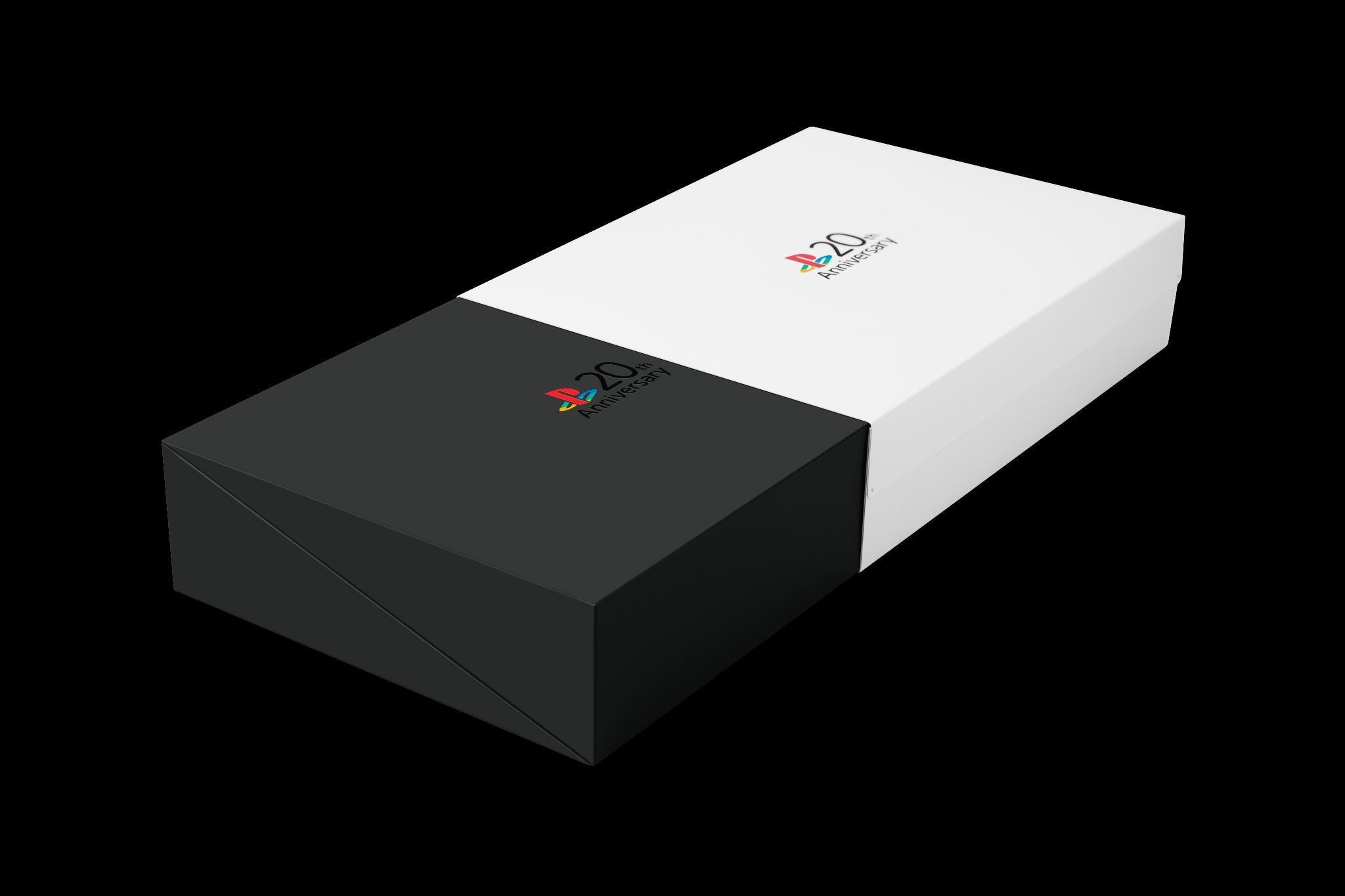
From marketing gimmick to cultural statement
Limited editions once existed to drive quick sales, but in Japan they evolved into something deeper. Every special console or accessory reflected the country’s fascination with individuality and presentation. Whether a translucent Game Boy Color or a silver PlayStation 2, these editions were not just about exclusivity. They were about self-expression through hardware. For collectors of Retro Gaming systems, limited editions reveal how Japan combined design, marketing, and cultural pride into one cohesive form.
The role of scarcity
In Japan, scarcity was never accidental. Manufacturers intentionally produced small batches to enhance desirability. Some models, like the Aqua Blue Game Boy Advance SP or the Pearl White Dreamcast, were released only through specific stores or campaigns. That approach fueled collector culture, creating a chase that persists today. The Japanese understood that rarity adds emotional value, not just financial worth.

The Hello Kitty Dreamcast remains a perfect example of rarity meeting charm.
Collaboration and craftsmanship
Japanese limited editions often came from partnerships between console makers, magazines, and entertainment brands. From the Famicom Skeleton consoles released with Club Nintendo to the sleek Panasonic Q for GameCube fans, collaboration gave each unit a story. These cross-industry designs blurred the line between gaming and lifestyle products. Collectors in the Handhelds and Accessories spaces continue to hunt for these collaborations because they represent creativity at its peak.
Why design mattered more than numbers
Unlike mass-produced Western variants, Japanese editions prioritized design harmony. Color palettes were thoughtful, typography subtle, and packaging immaculate. Each edition felt intentional. The attention to detail extended even to instruction manuals and internal trays. In Japan, presentation mattered as much as the console itself. That approach helped limited editions maintain prestige decades later.
The evolution of exclusivity
As collecting grew, manufacturers refined the meaning of “limited.” Instead of simple color swaps, they created editions tied to specific events or milestones. The Game Boy Micro Mother 3 edition and the PS Vita Hatsune Miku model are examples where cultural context elevated collectibility. These releases connected gaming with art, music, and fandom, expanding what limited editions could represent. For Collectors, they became tangible links between hardware and culture.

The Mother 3 Game Boy Micro embodies how design can tell a complete story in the smallest form factor.
A continuing legacy
Even today, Japan’s influence defines how companies worldwide approach exclusivity. Modern consoles follow the same principles of storytelling, scarcity, and aesthetics first established in Japan. Collectors around the world still look to Japanese variants as benchmarks for craftsmanship and restraint. From Home Systems to portable consoles, Japan continues to prove that limited editions are not about volume but vision.
Final reflection
Japan redefined limited editions by transforming them into cultural symbols. Every rare color and bundle carries meaning that extends beyond the product itself. For collectors, these consoles are not just hardware. They are small monuments to creativity, care, and the timeless pursuit of individuality within design.
Share:
The Resurgence of the Game Boy Micro
The New Wave of Restoration and Refurbishing in Japan